
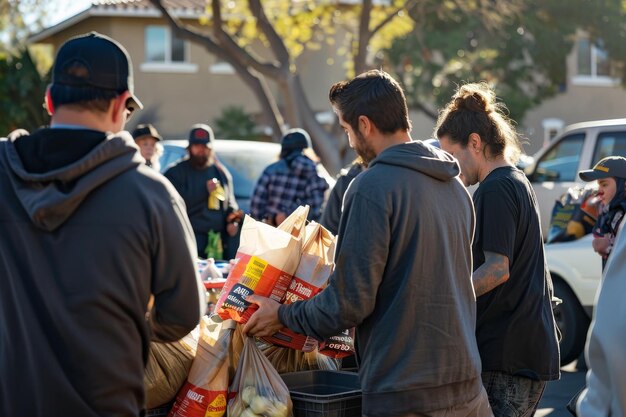
Atlanta Mission: How This Atlanta Nonprofit Supports Neighbors Experiencing Homelessness
If you live in or around Atlanta, you’ve probably heard of Atlanta Mission, especially in conversations about homelessness, shelters, or local charity work. But what exactly is it, what does it do, and how might it matter to you or someone you know?
Below is a clear, locally focused guide to what Atlanta Mission is, how it operates in Atlanta, and how people typically connect with its services.
What Is Atlanta Mission?
Atlanta Mission is a faith-based, nonprofit organization in Atlanta, Georgia that focuses on serving people who are experiencing homelessness or are at serious risk of becoming homeless.
Its core work centers on:
- Emergency shelter
- Meals and basic needs
- Residential recovery and transition programs
- Supportive services (such as counseling, job readiness, and case management)
- Women’s and family-specific services
- Spiritual support for those who want it
Atlanta Mission has been active in the city for many decades and operates multiple facilities across the Atlanta area, each serving different groups such as men, women, and women with children.
Key Ways Atlanta Mission Serves Atlanta
1. Emergency Shelter and Basic Needs
For many Atlantans, Atlanta Mission is best known as a place where someone in crisis can find a safe bed, a meal, and a shower.
Across its facilities, Atlanta Mission typically offers:
- Overnight shelter for men, women, and children (at different campuses)
- Meals (breakfast, lunch, dinner schedules vary by facility)
- Showers and hygiene items
- Clothing closets or access to basic clothing
- Short-term case management or intake assessments
These services can be especially important during:
- Extreme cold or heat in Atlanta
- Sudden job loss or eviction
- Domestic violence or family crisis situations
⏱️ Tip: Policies, bed availability, and intake times can change. It’s common for shelters in Atlanta to recommend calling ahead or arriving early in the day, especially in winter or severe weather.
2. Long-Term Recovery and Transition Programs
Atlanta Mission is not just a shelter. It also runs longer-term residential programs that aim to help people move from homelessness toward more stable, independent living.
These programs often include:
- Case management and individualized planning
- Job readiness training and employment support
- Life skills classes (budgeting, time management, communication)
- Support groups and counseling-type services
- Help with securing IDs and documents (common barrier for people in crisis)
- Referrals to healthcare, mental health, and addiction services
Participation usually involves:
- An intake process or application
- A structured daily schedule
- Program rules and expectations (curfews, sobriety policies, class participation, etc.)
These longer-term services can be especially important for people who need more than just a night or two indoors, and who are ready to work toward long-term change with support.
3. Services for Women and Children
A major part of Atlanta Mission’s work in the city focuses on women and women with children.
Facilities dedicated to this group generally provide:
- Safe shelter specifically for women
- Family-style accommodations for women with children
- Child-friendly spaces and school support coordination
- Case management focused on family stability
- Help navigating housing options, benefits, and employment
For women escaping unsafe situations or housing instability in Atlanta, this type of women-focused environment can feel more accessible and secure than co-ed shelters.
4. Faith-Based Support (Optional)
Atlanta Mission is a Christian, faith-based organization, and many of its programs incorporate:
- Chapel services
- Bible studies
- Faith-focused mentoring and conversations
However, people typically do not have to share the same faith background to receive basic services like shelter, food, or case management. For many guests, the spiritual components are seen as an option rather than a requirement, though expectations can vary by program.
If spiritual content is important to you, Atlanta Mission may be appealing for that reason. If you prefer more neutral services, it can help to clarify expectations during intake or by contacting staff.
Atlanta Mission Locations & Who They Serve
While specific details can change, Atlanta Mission generally operates separate campuses tailored to different populations.
Here is a simple overview of how their Atlanta-area facilities are typically organized:
| Facility (General Type) | Who It Primarily Serves | Core Focus |
|---|---|---|
| Men’s Campus (e.g., near downtown/midtown area) | Adult men | Emergency shelter, recovery, and transition |
| Women’s & Children’s Campus(es) | Adult women, women with children | Shelter, safety, family stabilization, programs |
| Administrative / Support Offices | Donors, volunteers, operations | Coordination, outreach, and support services |
Because names, addresses, and program details can change over time, people in Atlanta usually:
- Call the main phone line (listed on Atlanta Mission’s official materials) to ask where to go
- Ask for the closest facility that matches their situation (man, woman, family, etc.)
- Confirm intake hours and requirements the same day, when possible
How Someone Typically Connects With Atlanta Mission in Atlanta
If you or someone you know is in Atlanta and might need help, here’s how many people typically get started with Atlanta Mission:
1. Phone Call or Walk-In
People often:
- Call the main Atlanta Mission number during business hours to ask:
- Which facility is appropriate?
- What time to arrive for intake or shelter check-in?
- What to bring (ID, medications, children’s documents, etc.)?
- Or go directly to a known campus and speak with front-desk staff.
If you’re assisting someone, having them call while you’re with them can make the process less confusing.
2. Intake or Assessment
On arrival, guests are usually asked basic questions, such as:
- Name and contact details (if available)
- Safety or immediate medical concerns
- Current housing situation (street, car, couch-surfing, fleeing violence, etc.)
- Any children with them
This intake helps staff connect them with the most appropriate level of care, whether that’s a short-term bed or a longer-term program.
3. Following Facility Rules and Schedule
Like most shelters and programs in Atlanta, Atlanta Mission facilities generally:
- Have check-in and curfew times
- Expect respectful behavior and no violence
- May have substance use policies on or off campus
- Set wake-up, meal, and program schedules
Knowing this ahead of time can help someone decide whether a structured environment is the right fit for them, or if they should also explore other local options.
What Atlanta Mission Is Not
To keep expectations realistic, it helps to understand what Atlanta Mission typically does not provide directly:
- Not a government agency: It’s a private, nonprofit organization, not part of the City of Atlanta or Fulton County government.
- Not a medical or mental health clinic: While it may offer referrals and some support services, people usually go to hospitals, community health centers, or specialty clinics for medical and mental health care.
- Not a walk-in housing authority office: Long-term housing placement is often handled through public housing agencies, voucher programs, and other nonprofits in the region. Atlanta Mission can sometimes help navigate these, but it does not control public housing decisions.
- Not guaranteed housing: While some people who go through its programs eventually transition to more stable housing, no shelter or nonprofit can guarantee permanent housing for every guest.
When Atlanta Mission Might Be a Good Fit
Atlanta Mission often makes the most sense if:
- You or someone you know in Atlanta is currently homeless or about to be, and needs a safe place quickly
- You’re open to a structured program environment with rules, schedules, and participation expectations
- You’re comfortable with or open to a faith-based setting, even if you do not personally share the same beliefs
- You want access to case management and help with employment, documents, or daily-life skills, not just a bed
For others, it might be one of several organizations to contact, alongside:
- Other Atlanta-area shelters and crisis centers
- Domestic violence shelters (if escaping abuse)
- County and city social services offices
- Community health centers
How Atlanta Mission Fits Into Atlanta’s Broader Homelessness Response
In Atlanta, homelessness is addressed by a patchwork of organizations and agencies, including:
- Nonprofits like Atlanta Mission and others
- The City of Atlanta and Fulton/DeKalb County crisis and social services
- Healthcare systems and community clinics
- Faith-based charities and community initiatives
- Outreach teams that connect with people on the streets
Atlanta Mission is one of the most visible and established nonprofit players in this landscape. Many local residents, faith communities, businesses, and volunteers connect with the issue of homelessness through Atlanta Mission—whether by donating, volunteering, or referring someone in crisis.
Practical Tips for Atlantans Considering Atlanta Mission
Here are some practical, Atlanta-specific pointers if you’re thinking about reaching out:
- Call before going, if possible: Policies, space, and intake times can change quickly, especially during extreme weather or citywide events.
- Know your situation: Men, single women, and families with children are typically directed to different campuses.
- Bring essential documents if you have them:
- Photo ID
- Social Security card
- Children’s birth certificates or school info
- Prescription medications
- Ask about next steps: If a specific facility is full, staff may be able to suggest:
- Alternative times to come back
- Other Atlanta shelters or programs to try
- Phone numbers for crisis lines or other providers
- If it’s an emergency (safety or medical), contact 911 or go to an emergency room first, then connect with shelter or support once immediate safety is addressed.
Atlanta Mission is, at its core, an Atlanta-based, faith-driven nonprofit focused on supporting people experiencing homelessness—through shelter, meals, structured programs, and longer-term support. For many in the city, it is one of the first places that comes to mind when someone needs a safe place to go and a path toward greater stability.