
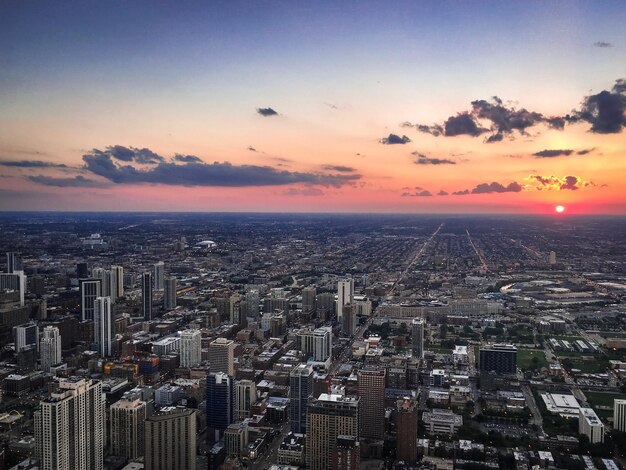
Atlanta’s Altitude: How High Is the City Above Sea Level?
If you live in or are visiting Atlanta, you’ve probably heard it called a “city in the hills” or noticed that some neighborhoods feel higher and breezier than others. That’s because Atlanta sits at a moderate elevation compared to many other major U.S. cities.
Here’s a clear, local-focused breakdown of Atlanta’s altitude and what it means for everyday life.
The Altitude of Atlanta, Georgia
In simple terms:
- Average altitude of Atlanta:about 1,000 feet (around 300 meters) above sea level
- General range across the city: roughly 700 to 1,100 feet above sea level, depending on the neighborhood
Atlanta is not at extreme high altitude like Denver, but it’s also not close to sea level like many coastal cities. It sits on the Piedmont Plateau, a rolling upland region between the Appalachian Mountains and the Coastal Plain.
Altitude in Different Parts of Atlanta
Atlanta isn’t perfectly flat, so elevation changes as you move around the city.
Here are approximate elevations for some well-known Atlanta spots:
| Location / Landmark | Approx. Elevation (Feet Above Sea Level) | Notes |
|---|---|---|
| Downtown Atlanta (Five Points area) | ~950–1,000 ft | Central business district, near MARTA Five Points |
| Midtown (around Piedmont Park) | ~950–1,050 ft | Slightly higher, gently rolling terrain |
| Buckhead (Lenox / Phipps area) | ~1,000–1,050 ft | One of the higher-intensity commercial areas |
| Hartsfield–Jackson Atlanta Intl. Airport | ~1,020 ft | South of downtown, on relatively flat terrain |
| West Midtown / Georgia Tech area | ~950–1,000 ft | Mild slopes and rises around campus |
| East Atlanta / Kirkwood / Edgewood | ~900–1,000 ft | Gradual ups and downs, typical intown hills |
| Highest residential hilltops in city | Up to ~1,100 ft | Local high spots in north and west Atlanta |
| Lower spots along creeks/streams | ~700–800 ft | Areas close to Peachtree Creek, South River, etc. |
These numbers are approximate, but they give a good sense of how Atlanta’s altitude varies as you drive, bike, or walk across the city.
How Atlanta’s Altitude Compares to Other Cities
If you’re coming from out of town, it can help to compare:
Atlanta (~1,000 ft) vs. a coastal city (0–100 ft)
Atlanta is noticeably higher than sea level, but not so high that most people feel major physical differences.Atlanta (~1,000 ft) vs. Denver (~5,000+ ft)
Atlanta’s elevation is far lower than “mile-high” altitudes. It doesn’t bring the same level of thin air or strong altitude effects associated with mountain cities.
In everyday terms, Atlanta’s altitude is moderate—high enough to be well above sea level, but not high enough to be considered high-altitude terrain.
Why Atlanta’s Altitude Matters (Day-to-Day Impact)
For most people, Atlanta’s elevation is not something you need to manage closely, but it does show up in a few practical ways.
1. Weather and Climate Feel
Atlanta’s altitude contributes to:
- Slightly cooler temperatures than lower, nearby coastal areas at the same latitude
- A humid subtropical climate, with hot summers and mild winters, shaped more by geography and regional patterns than altitude alone
You may notice:
- Cooler air and breezes on higher hilltops compared to lower creek valleys
- Fog or low clouds settling more in low-lying areas on certain mornings
2. Walking, Biking, and Driving Around Town
Atlanta is known for its rolling hills. Because of the city’s elevation changes:
- Some neighborhoods have steeper streets and longer climbs, especially parts of Decatur, Virginia-Highland, Inman Park, and West Midtown.
- Bikers and runners often feel the ups and downs more than the altitude itself.
If you’re planning outdoor activities:
- Expect gentle but noticeable hills throughout much of intown Atlanta.
- Trails like the Atlanta BeltLine, Piedmont Park, and areas near Stone Mountain (just outside the city) let you experience the region’s elevation changes without extreme slopes.
3. Building, Construction, and Property
Local builders and planners account for Atlanta’s elevation in:
- Stormwater management: Water flows downhill toward creeks and the Chattahoochee River, so drainage and runoff are planned around slopes and low-lying areas.
- Foundation design: Hills and uneven terrain can affect grading, retaining walls, and driveway slopes, especially in hilly neighborhoods.
This matters if you:
- Own or are buying a home in a steep or low-lying area
- Are considering landscaping, drainage improvements, or adding structures on sloped property
Checking the Exact Altitude at Your Address in Atlanta
If you want a precise elevation for your home, business, or favorite park, there are a few simple options:
1. Online Map Tools
Most major mapping services allow you to:
- Enter an Atlanta address or intersection
- Use a built-in “measure elevation” or terrain/elevation feature
- View approximate altitude in feet or meters above sea level
These tools are useful for:
- Comparing one neighborhood’s elevation to another
- Checking if your property sits on a hill or in a valley
2. Topographic and Floodplain Maps
For more detailed information, including slope and nearby water features:
- City of Atlanta Department of Watershed Management and Fulton County provide access to maps and resources that show:
- Elevation contours
- Floodplains and low-lying areas
- Watershed boundaries
You can contact local government offices to ask about topographic or flood-related maps for a specific Atlanta address.
Is Atlanta Considered High Altitude?
By common standards, high altitude usually starts around 5,000 feet above sea level or higher. Atlanta’s average of about 1,000 feet:
- Does not fall into the high-altitude category
- Typically does not cause altitude sickness in people arriving from sea level
- Feels fairly normal to most visitors and residents, even those from lower elevations
If you are especially sensitive to even small changes in elevation or have specific health concerns, it’s generally best to speak with a healthcare professional for guidance tailored to your situation.
Altitude at Hartsfield–Jackson Atlanta International Airport
Many visitors first encounter Atlanta at its major airport:
- Hartsfield–Jackson Atlanta International Airport (ATL) altitude:
Approximately 1,020 feet above sea level
Because the airport sits on a relatively flat, elevated area:
- Aircraft departures and arrivals operate in conditions typical of a moderate-elevation airport
- Most travelers do not experience any notable altitude-related effects simply from being at the airport
Key Takeaways About Atlanta’s Altitude
Here’s a quick recap for residents, visitors, and anyone curious about how high Atlanta sits:
- Average city altitude: About 1,000 feet (300 meters) above sea level
- Variation across the city: Roughly 700–1,100 feet, with higher ground in northern and western areas and lower spots along creeks and rivers
- Everyday impact:
- Gentle hills and rolling terrain across many neighborhoods
- Mild influence on temperature and weather
- Typically no serious altitude-related issues for most people
- Travelers: Flying into ATL or driving into Atlanta from sea-level locations generally does not require special altitude-related preparation
Understanding Atlanta’s elevation helps explain its hilly streets, scenic views, and weather patterns, and gives some helpful context whether you’re choosing a neighborhood, planning outdoor activities, or just satisfying your curiosity about how high the city really is.