
What Is Underground Atlanta? A Local’s Guide to the Historic Downtown District
Underground Atlanta is a historic entertainment and retail district in downtown Atlanta, located around the intersection of Alabama Street SW and Pryor Street SW, just south of Five Points. It sits on and below the city’s original street level, mixing old brick storefronts, rail history, and modern redevelopment efforts.
If you live in Metro Atlanta, are visiting downtown, or are trying to understand how this landmark fits into the city, Underground Atlanta is both a place and a story about how Atlanta grew, burned, rebuilt, and reinvented itself.
Where Underground Atlanta Is and What It Includes
Location:
- General area: 50 Upper Alabama St SW, Atlanta, GA 30303
- In the heart of downtown Atlanta
- A short walk from Five Points MARTA Station
- Near government buildings, office towers, and other attractions like the State Capitol area and the Sweet Auburn district
The district covers several blocks of:
- Historic lower-level streets and brick buildings
- Upper-level plazas and walkways
- A mix of event spaces, bars, clubs, pop-up shops, galleries, and community events (varies over time as redevelopment continues)
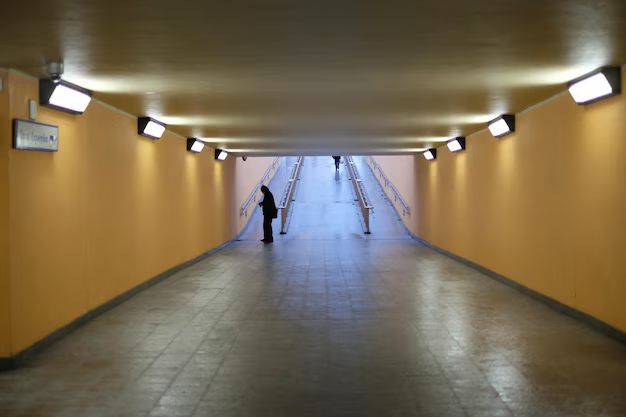
It’s not a single “underground tunnel” you walk through once and leave. It’s a multi-block, multi-level area that has changed formats over the years—from railroad-era storefronts to a nightlife hub and, more recently, to an arts- and events-focused space.
How Underground Atlanta Came to Be
To understand what Underground Atlanta is today, it helps to know why Atlanta has “underground” streets in the first place.
Railroads, Viaducts, and the Birth of the Underground
Atlanta began as a railroad town. By the late 1800s and early 1900s, heavy train and streetcar traffic around downtown led the city to build viaducts—elevated roadways—over the existing street grid.
Instead of tearing down the old streets:
- New elevated streets were built on top.
- The older streets and storefronts below became partially enclosed and shaded.
- Over time, this lower level turned into the “underground” we talk about today.
These lower-level corridors along streets like Alabama Street and Kenny’s Alley preserved much of the historic brick architecture, arches, and loading areas tied to Atlanta’s railroad past.
From Forgotten to Entertainment District
By the mid-20th century, the underground level was largely neglected. Then, in the late 1960s and 1970s, developers and city leaders helped revive the area as an entertainment and nightlife district, drawing locals and tourists with:
- Bars and clubs
- Restaurants
- Jazz and blues venues
- Shops and novelty stores
Underground Atlanta went through cycles of growth, decline, renovation, and reopening. Many Atlanta residents remember different versions of it—some as a tourist spot, others as a club-heavy nightlife area, and newer residents as a work-in-progress redevelopment site.
What Underground Atlanta Is Used for Today
In recent years, Underground Atlanta has been in transition, shifting from a traditional mall-style layout toward a mixed-use, arts- and culture-focused district.
While specific tenants change, people typically experience Underground Atlanta in these ways:
1. Events and Festivals
The district is often used for:
- Live music performances
- Art shows and galleries
- Community events and markets
- Seasonal or themed festivals
These events may take place:
- In the open-air plazas above ground
- Along the historic lower-level pedestrian ways
If you’re downtown for a weekend, it’s common to find music, food trucks, or art installations in and around Underground.
2. Nightlife and Entertainment
At various times, the area has hosted:
- Bars, lounges, and clubs
- Performance venues
- Comedy shows or special event nights
The specific lineup shifts as new operators come in and others close, but Underground Atlanta continues to be part of downtown’s after-hours and entertainment scene.
3. Creative and Community Spaces
Recent redevelopment efforts have focused on attracting:
- Artists and creative studios
- Small local retailers and pop-ups
- Cultural and community-focused organizations
This makes Underground Atlanta part of a broader push to keep downtown active beyond office hours, with programming that speaks to locals as much as to visitors.
Key Features and What to Expect When You Visit
Here’s a quick overview of what Underground Atlanta generally offers and how it fits into the city:
| Aspect | What It Means for You in Atlanta |
|---|---|
| Historic Setting | Brick arches, old storefronts, and rail-era architecture downtown. |
| Location | Walkable from Five Points MARTA and surrounded by city offices. |
| Entertainment | Periodic nightlife, concerts, festivals, and special events. |
| Redevelopment | An evolving mix of businesses; what’s open can change over time. |
| Tourist Appeal | A unique “only-in-Atlanta” spot tied to the city’s railroad history. |
| Local Use | Space for art, culture, markets, and community gatherings. |
If you’re planning a visit:
- Expect a historic urban environment rather than a polished suburban-style mall.
- What’s open at any given time can vary, so it’s helpful to check current event listings or business info before you go.
- The area is strongly tied to downtown Atlanta life—office workers on weekdays, visitors on weekends, and event-goers at night.
Getting to Underground Atlanta
Because of its central location, Underground is one of the most transit-accessible spots in the city.
By MARTA
- Station:Five Points Station
- From the station, follow signs toward Alabama Street and exit to street level. Underground Atlanta is a short walk.
This is often the simplest option if you’re coming from:
- Midtown
- Buckhead
- Hartsfield-Jackson Atlanta International Airport
- East or West Atlanta neighborhoods along MARTA rail lines
By Car
If you’re driving:
- Set your GPS to a nearby address such as 50 Upper Alabama St SW, Atlanta, GA 30303.
- There are multiple parking garages and lots in the downtown area around Underground, though availability and prices can vary by time of day and event schedule.
As in any busy downtown:
- Allow extra time for traffic, especially during rush hour, events, or game days.
- Be mindful of one-way streets and pedestrians.
Nearby Landmarks and How Underground Fits into Downtown
Underground Atlanta is part of a cluster of important downtown locations, making it easy to combine with other stops:
- Five Points area – The transit hub and commercial crossroads of downtown.
- Georgia State University – Many students and staff pass through or near Underground.
- Georgia State Capitol & Government Buildings – Just a short walk away.
- Woodruff Park – A nearby green space often used for gatherings and public events.
- Sweet Auburn and MLK Jr. Historic District – East of Underground, connected by city streets and transit.
Because of this, Underground functions as:
- A gateway between government, education, and entertainment districts
- A meeting point for people coming in on MARTA
- A landmark tourists often see on walking tours of downtown and Atlanta’s historic core
Is Underground Atlanta Safe and Family-Friendly?
Experiences can vary, and like many urban downtown areas, safety at Underground Atlanta depends on:
- Time of day
- Event activity
- Crowds and business openings
Some local patterns and practical tips:
Daytime:
Often more commuters, students, and workers in the area; some visitors feel more comfortable visiting during business hours.Evenings and Events:
Crowds increase during concerts, festivals, and nightlife. As with any big city event area, it’s wise to:- Stay aware of your surroundings
- Stick to well-lit, populated routes
- Use MARTA or reputable transportation options
If you’re taking children:
- Check current events and what’s open ahead of time, since the mix of venues can skew more toward nightlife in some periods.
- Consider visiting earlier in the day if you prefer a quieter experience.
Who Oversees and Maintains Underground Atlanta?
Underground Atlanta has historically involved a mix of:
- Private ownership and development
- City of Atlanta oversight and coordination, particularly on zoning, infrastructure, and public safety
For broader questions about downtown public space, planning, and infrastructure, residents often look to:
City of Atlanta – Department of City Planning
55 Trinity Ave SW
Atlanta, GA 30303
Main City Hall line: (404) 330-6000 (can direct you to planning or zoning information)City of Atlanta – Mayor’s Office and City Council
Located in Atlanta City Hall, adjacent to downtown and not far from Underground Atlanta.
These offices do not typically answer visitor-specific questions about events or business hours, but they are relevant for understanding how Underground fits into city planning, public safety coordination, and long-term redevelopment.
When Underground Atlanta Matters to You
Underground Atlanta is relevant if you:
Live in Atlanta
- It’s part of the city’s identity and history.
- You may go there for events, nightlife, or transit connections.
- It can influence how downtown feels and functions after work hours.
Are visiting Atlanta
- It’s a uniquely Atlanta landmark that tells the story of the city’s railroad roots and redevelopment.
- It fits easily into a day of exploring downtown, the Capitol, and nearby museums or historic districts.
Are learning how Atlanta works
- Underground Atlanta illustrates how Atlanta has responded to growth, transportation needs, and changing economic realities.
- It shows how older infrastructure—like the original street grid—gets repurposed as the city evolves.
In short, Underground Atlanta is a historic downtown district built around Atlanta’s original street level, now used as an evolving hub for events, entertainment, and culture. It’s a blend of old and new that reflects how Atlanta keeps reinventing itself while still standing on the same brick and rail foundations it started with.