
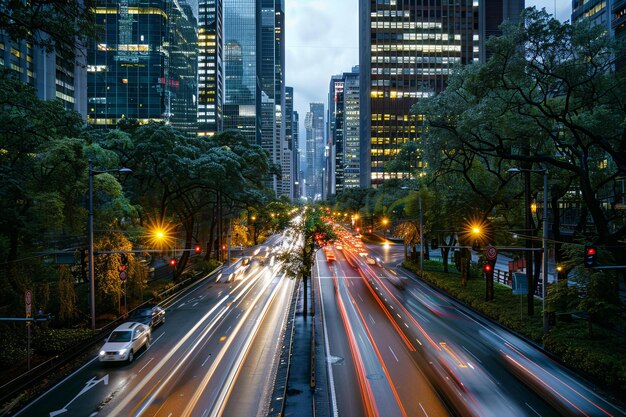
Are Roads Clear in Atlanta? What Drivers Need to Know Today
If you’re asking “Are roads clear in Atlanta?”, you’re really asking two things:
- How bad is traffic right now? and
- Are there any closures, construction zones, or weather issues I should know about?
Because conditions change by the minute, no article can tell you what’s happening on a specific road right now. But you can understand how Atlanta roads usually flow, when they’re most congested, and how to quickly check whether roads are clear before you head out.
How Clear Are Atlanta Roads in General?
Atlanta is known for heavy traffic and frequent slowdowns, especially:
- On interstates: I‑75, I‑85, I‑20, I‑285, and the Downtown Connector
- On major surface streets: Peachtree Street, Peachtree Road, Piedmont Road, Northside Drive, Memorial Drive, and Moreland Avenue
On a normal, dry weekday, you can expect:
- Clearer roads late morning, early afternoon, and late evening
- Heavy congestion during morning and evening rush hours
- Minor slowdowns near construction zones, big events, and school areas
Roads are usually physically clear of hazards, but traffic flow often isn’t “clear” in the sense of free‑moving, especially near the city center and along I‑285.
Typical Traffic Patterns in Atlanta
When Are Roads Most Likely to Be Clear?
Roads in and around Atlanta are more likely to be moving smoothly:
- Midday (about 10 a.m. – 2 p.m.) on weekdays
- Later evenings (after 7 p.m.)
- Early weekend mornings, especially before major events and games
- On non-holiday weekdays when schools are out and no big events are downtown
During these times, you’ll still see pockets of congestion, but many arterial roads and even stretches of the interstates can flow fairly well.
When Are Atlanta Roads Usually Congested?
Expect slower or stop‑and‑go traffic during:
- Morning rush hour: roughly 6:30 a.m. – 9:30 a.m.
- Evening rush hour: roughly 3:30 p.m. – 7:00 p.m.
- Friday afternoons and evenings leaving the city
- Before and after major events at:
- Mercedes‑Benz Stadium
- State Farm Arena
- Truist Park
- Georgia World Congress Center
- College and university campuses during big games or graduations
Major chokepoints include:
- Downtown Connector (I‑75/85) through central Atlanta
- I‑285 at major interchanges (I‑20, I‑75, I‑85, GA‑400)
- GA‑400 between I‑285 and the northern suburbs
- Airport area (I‑85, Camp Creek Parkway, I‑285 South)
Weather and Road Conditions in Atlanta
How Weather Affects Whether Roads Are “Clear”
Atlanta’s weather usually means clear, dry roads, but certain conditions cause real problems:
- Heavy rain 🌧
- Slower traffic, fender‑benders, and hydroplaning risk
- Temporary ponding in low-lying spots and underpasses
- Severe storms and high winds
- Downed trees or power lines blocking lanes in neighborhoods and along parkways
- Ice and winter weather ❄
- Less frequent, but when it happens, roads can become very unsafe very quickly
- Bridges and overpasses (like on I‑285 and I‑75/85) ice first
In extreme cases, local agencies may advise drivers to stay off the roads until they’re treated or conditions improve.
Construction, Lane Closures, and Detours
Ongoing and short‑term construction projects can prevent Atlanta roads from feeling “clear,” even on sunny days.
Common areas with periodic construction:
- I‑285 (especially near GA‑400, I‑20 East and West interchanges)
- I‑75 and I‑85 north and south of downtown
- Downtown and Midtown streets for utility, building, or streetscape projects
- Around major development zones, such as the BeltLine corridors
These projects can mean:
- Reduced lanes
- Shifting traffic patterns
- Lower speed limits and sudden slowdowns
Always watch for orange signs, barrels, and message boards indicating lane closures or new traffic patterns.
Quick Ways to Check If Roads Are Clear Right Now
Because conditions constantly change, it’s smart to check real‑time road status before you drive, especially if:
- You’re heading to or from Hartsfield‑Jackson Atlanta International Airport
- You need to reach Downtown, Midtown, or Buckhead during busy times
- Weather looks severe or you’ve heard about a major crash or closure
1. Georgia 511 (Statewide Travel Information)
Georgia 511 provides current information on:
- Crashes and stalled vehicles
- Road closures and detours
- Major construction zones and lane closures
- Travel times along major routes
You can access Georgia 511 by:
- Dialing 511 within Georgia
- Checking their interactive maps and alerts online
This service is run by the Georgia Department of Transportation (GDOT) and covers interstates and many primary roads in and around Atlanta.
2. City of Atlanta & Fulton/DeKalb County Alerts
Local road impacts often show up through:
- City of Atlanta transportation and public works notices
- Fulton County and DeKalb County government updates
- Police or sheriff’s office alerts about major incidents or road closures
These sources are especially useful for:
- Neighborhood street closures
- Parades, races, and special events
- Emergency incidents like downed trees, flooding, or utility work
3. Airport and Transit Updates
If you’re driving around the airport or combining driving with transit:
- Hartsfield‑Jackson Atlanta International Airport posts information about:
- Roadway congestion near terminals
- Temporary closures of upper/lower roadways
- Rideshare pickup area changes
- MARTA provides updates if train or bus issues are causing extra car traffic or detours around stations and park‑and‑ride lots.
Understanding Different Parts of the City
Not all Atlanta roads behave the same. What feels “clear” in one area may feel congested in another.
Downtown and Midtown
- Heavy commuter and event traffic
- Frequent lane closures for construction or events
- Streets like Peachtree Street, Spring Street, and Courtland Street can back up quickly
- Expect more pedestrians, bikes, and scooters, which naturally slows driving
Buckhead and Northern Corridors
- Peachtree Road, Lenox Road, and Piedmont Road see heavy shopping and commuter traffic
- Intersections near malls, office towers, and major hotels can be congested even outside rush hour
- GA‑400 and I‑285 interchanges are common slow spots
Westside, Eastside, and BeltLine Areas
- Streets around the Atlanta BeltLine, popular parks, and entertainment districts draw heavy evening and weekend traffic
- Parking searches can slow movement, especially near:
- Ponce City Market
- Old Fourth Ward
- West Midtown
- Grant Park and East Atlanta Village
Suburbs and I‑285 “Perimeter”
- I‑285 is a major ring road and often not “clear” during peak hours
- Suburban arteries (Cobb Parkway, Roswell Road, LaVista Road, etc.) can see heavy volumes during school drop-off/pickup times and weekends
Simple Reference: When Roads in Atlanta Are More vs. Less Clear
| Time / Situation | How Clear Are Roads Likely To Be? | What To Expect |
|---|---|---|
| Weekday early morning (before ~6:30 a.m.) | Generally clear | Fast interstates, light local traffic |
| Weekday rush hours (6:30–9:30 a.m.; 3:30–7 p.m.) | Often congested | Slow interstates, delays on major surface streets |
| Weekday mid‑day (10 a.m.–2 p.m.) | Usually moderate to clear | Some slow spots, but many corridors move well |
| Weekday late evening (after 7 p.m.) | Often clear | Localized congestion near events, but most routes flow |
| Weekend mornings | Generally clear | Exceptions near big events or construction zones |
| Weekend afternoons/evenings | Mixed | Heavier near shopping areas, entertainment districts, and stadiums |
| Heavy rain / storms | Less clear, more incidents | Reduced speeds, temporary flooding, more crashes |
| Ice / winter weather | Potentially very unsafe | Icing on bridges, widespread delays, advisories to stay off roads |
Practical Tips for Moving Around Atlanta When Roads Aren’t Clear
Even when roads are congested or partially blocked, you can often make your trip smoother with a few habits:
- Check conditions before you leave
- Use Georgia 511 or a trusted traffic map to see backups and closures
- Build in extra time
- For airport trips, medical appointments, or events downtown, leave earlier than you think you need
- Know alternate routes
- Learn one or two surface‑street backups for your usual trips in case the interstate is blocked
- Be careful with neighborhood cut‑throughs
- Many Atlanta neighborhoods have speed humps, stop signs, and school zones that slow traffic for safety
- Watch for pedestrians and cyclists, especially around:
- BeltLine segments
- Midtown, Downtown, the Westside, Inman Park, Grant Park, and college areas
- Stay alert for changing patterns in construction zones
- Lanes may shift overnight
- Speed limits are often reduced and enforcement can be stricter
Key Takeaway: How to Tell If Roads Are Clear in Atlanta Today
In everyday terms, Atlanta roads are not often “wide open,” especially on workdays and during bad weather or big events. However, they can be reasonably clear during off‑peak hours, mid‑day, and late evening.
To know if roads are clear right now:
- Check Georgia 511 for major incidents and closures
- Look for local city/county alerts during storms or big events
- Allow yourself flexible travel time when using interstates or driving to the airport or downtown
By combining basic local patterns with quick real‑time checks, you can reliably tell whether roads in Atlanta are clear enough for your trip and choose the timing and route that work best for you.