
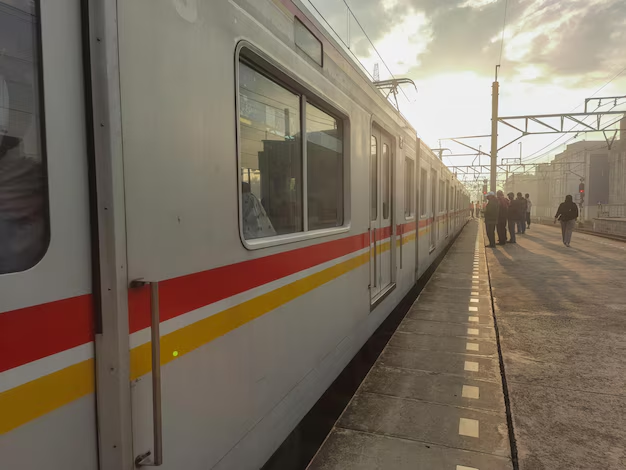
How to Use Public Transportation in Atlanta: A Local Guide
Atlanta does have public transportation, but it works a bit differently than in some older, denser cities. The system is centered around MARTA (Metropolitan Atlanta Rapid Transit Authority) for trains and buses, supported by local streetcars, regional buses, and shuttles that help you get around the city and the metro area.
If you live in Atlanta, are visiting, or are just trying to understand how getting around works here, this guide walks through the main options and what to expect.
The Core of Atlanta Transit: MARTA
The backbone of public transportation in Atlanta is MARTA, which operates:
- Heavy rail (subway-style) trains
- Local and limited-stop buses
- Paratransit services (Mobility)
MARTA primarily serves the City of Atlanta and several nearby suburbs in Fulton, DeKalb, and Clayton counties.
MARTA Rail: Where the Trains Go
MARTA rail is the fastest way to cross the city without a car. There are four color-coded lines:
- Red Line – Runs north–south (North Springs to Airport)
- Gold Line – North–south (Doraville to Airport)
- Blue Line – East–west (Hamilton E. Holmes to Indian Creek)
- Green Line – West–east (Bankhead to Edgewood/Candler Park, usually)
Key things to know:
- Downtown/central transfer stations:
- Five Points (main transfer hub)
- Peachtree Center, GWCC/CNN Center, Georgia State
- Airport access: The Airport Station is directly inside Hartsfield–Jackson Atlanta International Airport, at the domestic terminal.
- Popular stops for visitors and residents:
- Midtown Station – Midtown offices, restaurants, Piedmont Park (short walk/bus)
- Arts Center Station – High Museum of Art, Alliance Theatre, bus links to Atlantic Station
- Buckhead, Lenox, Brookhaven/Oglethorpe – North Atlanta, shopping, residential areas
- King Memorial, Inman Park/Reynoldstown – Access to eastside neighborhoods and BeltLine segments
Frequency:
Trains generally run every few minutes at rush hour and less often late nights and weekends. If you’re planning a tight connection or late-night trip, it’s worth checking real-time schedules.
MARTA Buses: Filling in the Gaps
MARTA buses connect neighborhoods, transit stations, shopping areas, and job centers that trains do not reach. Routes cover major corridors in Atlanta, plus parts of:
- Fulton County
- DeKalb County
- Clayton County
What to expect:
- Coverage: Good along main roads and denser areas; more limited or less frequent in outer suburbs.
- Connections: Most routes link to at least one rail station.
- Types of service:
- Regular local routes with frequent stops
- Limited-stop or express routes on major roads and interstates
If you live in-town (especially intown Atlanta neighborhoods), you’re more likely to be near at least one MARTA route.
Paying for MARTA: Fares, Breeze Cards, and Apps
To use MARTA rail or bus, you’ll typically pay with a Breeze Card or Breeze Ticket.
Breeze Card Basics
Breeze Card – A reusable plastic fare card that you can load with:
- Stored value (pay-per-ride)
- Unlimited-ride passes (1-day, multi-day, or monthly options)
Breeze Ticket – A disposable paper ticket, often used for short visits or single trips.
You can usually:
- Buy or refill cards at MARTA station vending machines
- Use cash or card at machines
- Load value or passes in advance or when you arrive
When you ride:
- Tap in at the rail station fare gate
- Tap on the validator when boarding a bus (front door)
💡 Tip: If you plan to stay in Atlanta several days and use transit frequently, a multi-day pass on a Breeze Card is often more convenient than paying for each trip.
Mobile and Contactless Options
MARTA has been expanding mobile and contactless payment options:
- Some riders can use mobile fare apps or contactless bank cards on newer systems.
- Availability and features can change, so if you rely on your phone to pay, it’s wise to verify the current options before you ride.
Other Transit Options in and Around Atlanta
MARTA is central, but it’s not the only public transportation in the region. Several other services connect neighborhoods, suburbs, and key destinations.
Atlanta Streetcar (Downtown)
The Atlanta Streetcar is a light rail/streetcar loop operating in Downtown Atlanta, currently on a single route.
It typically links:
- Centennial Olympic Park / GWCC area
- Peachtree Center area
- The King Historic District (near Martin Luther King Jr. National Historical Park)
The streetcar is most useful for:
- Short downtown trips
- Visitors staying near hotels in the downtown core
- Connecting certain attractions without using a car
You pay a separate fare, though it’s still part of the city’s broader transit network.
Regional Commuter Buses: Xpress and Local Systems
For commuters traveling between the suburbs and the city, there are regional and county transit systems:
- Xpress (SRTA/GRTA) – Regional commuter buses serving multiple counties into Downtown, Midtown, and Perimeter job centers.
- CobbLinc – Serves Cobb County and connects to MARTA via some endpoints and park-and-ride locations.
- Gwinnett County Transit (Ride Gwinnett) – Serves Gwinnett County, with commuter routes into the Atlanta core.
- Cherokee Area Transit Service (CATS) – Serves parts of Cherokee County, often as demand-response and commuter services.
These services are especially relevant if you:
- Live in suburban counties
- Work or study in Atlanta
- Want to avoid daily driving and parking in the city
Fares, schedules, and routes differ from MARTA, and transfers may not always be seamless or free. If you commute from outside MARTA’s core area, it’s good to look up your county’s transit provider along with MARTA.
Accessibility and Paratransit
Atlanta’s public transportation includes services for riders with disabilities and mobility challenges.
MARTA Mobility
MARTA Mobility is a paratransit door-to-door service for eligible riders who cannot use regular buses or trains due to a disability.
Key points:
- Operates within a certain distance of fixed bus and rail routes.
- Requires an application and eligibility determination.
- Trips typically must be scheduled in advance, often by phone or online.
Station and Vehicle Accessibility
Most MARTA stations and many buses are designed to be accessible:
- Elevators and ramps at rail stations
- Priority seating on buses and trains
- Audio and visual announcements for stops on many vehicles
If you or someone you travel with has specific accessibility needs, checking station layouts and current elevator status before travel can make trips smoother.
Public Transit to and from Hartsfield–Jackson Airport
One of Atlanta’s biggest transit advantages is easy rail access to the airport.
By MARTA Rail
The Airport Station is located directly in the Domestic Terminal, near baggage claim.
- Red and Gold Lines both run to the airport.
- No special fare is required beyond a normal MARTA trip.
From the airport, you can ride directly to:
- Downtown (Five Points, Peachtree Center)
- Midtown (Midtown, Arts Center)
- Buckhead and North Atlanta (Lenox, Brookhaven/Oglethorpe, North Springs, Doraville)
- East and west lines with simple transfers at Five Points
This is often faster and more predictable than driving during rush hour.
Shuttles, Rideshare, and Buses
In addition to MARTA:
- Hotel shuttles serve many nearby hotels.
- Rideshare and taxis are available from designated areas.
- Some regional buses and private shuttles connect from the airport to surrounding areas.
If you prefer not to drive at all, it’s possible to combine MARTA rail + short walk or rideshare for many neighborhoods.
How Well Does Public Transit Work in Atlanta?
Whether Atlanta public transportation “works” for you depends heavily on where you live, work, and visit.
Where Transit Works Best
Transit is typically most practical if you:
- Live or stay near a MARTA rail station or along a major bus corridor
- Spend most of your time in:
- Downtown
- Midtown
- Buckhead
- Near major universities (Georgia State, Georgia Tech, Emory with shuttle connections)
- Travel mainly along north–south and east–west main lines
In these areas, you can often rely on trains and buses for daily commuting and many errands.
Where It’s More Limited
Public transportation becomes more challenging when you:
- Live in farther suburbs without local bus service
- Need to get to industrial areas, office parks, or spread-out shopping centers not on a major transit corridor
- Travel late at night or very early morning when service is less frequent
Many Atlanta residents use a mixed approach:
- MARTA for commuting or major events
- Walking, biking, or scooters for short trips
- Rideshare or driving for trips that are poorly served by transit
Quick Overview: Main Public Transit Options in Atlanta
| Service | Area Covered | Best For |
|---|---|---|
| MARTA Rail | City of Atlanta + nearby suburbs | Airport trips, commuting, major attractions |
| MARTA Bus | Atlanta + parts of Fulton, DeKalb, Clayton | Neighborhood connections, last-mile access |
| Atlanta Streetcar | Downtown Atlanta loop | Short downtown trips, visitor sightseeing |
| Xpress Buses | Regional suburbs to job centers | Suburban–city commuting |
| CobbLinc, Ride Gwinnett, others | Individual counties | County-level transit, park-and-ride commutes |
| MARTA Mobility | Within MARTA service area | Accessible, eligibility-based trips |
Practical Tips for Using Atlanta Public Transportation
A few simple habits make using transit in Atlanta much easier:
Plan around stations and routes
If you’re choosing a hotel or apartment and want to rely on transit, look for places near a MARTA rail station or a major bus stop.Allow extra time for transfers
Buses and trains don’t always line up perfectly. Build in a buffer if you have an appointment or flight.Know your backup
For late-night trips or routes with limited service, it’s helpful to have a backup option like rideshare, taxi, or a friend on call.Check service updates
Construction, special events, or weather can affect routes and frequency, especially around major venues like Mercedes-Benz Stadium or State Farm Arena.
Key Atlanta Transit Locations and Contacts
Here are a few central, widely used locations and contacts if you need in-person help or want a clear reference:
MARTA Headquarters & Customer Service (Downtown)
2424 Piedmont Road NE
Atlanta, GA 30324
Customer service is typically available by phone to answer route and fare questions.Five Points Station (Central Hub)
30 Alabama Street SW
Atlanta, GA 30303
Major transfer point for all MARTA rail lines and several bus routes.Hartsfield–Jackson Atlanta International Airport MARTA Station
Domestic Terminal, near baggage claim
Atlanta, GA 30320
If you’re unsure which service covers your area (MARTA, Xpress, CobbLinc, Ride Gwinnett, etc.), searching by your county name + “transit” is a reliable starting point, and customer service lines can walk you through options.
In summary, yes, Atlanta does have public transportation, centered on MARTA trains and buses with support from the streetcar and regional systems. It works best in and around the city core and along major corridors. With a bit of route planning and realistic expectations, many residents and visitors successfully use Atlanta transit for commuting, airport access, and getting to key destinations without a car.