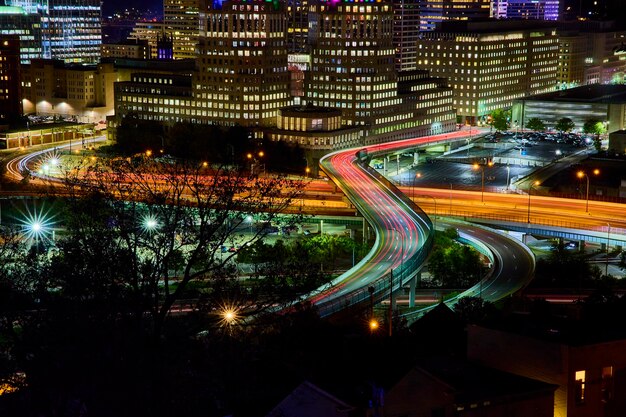
When Does Atlanta Traffic Actually Die Down? A Local’s Guide to Beating the Rush
Atlanta traffic has a reputation, and it’s earned. Between I‑285, I‑75, I‑85, GA‑400, and all the surface streets feeding into downtown and Midtown, knowing when traffic eases up can save you a lot of time and stress.
This guide focuses specifically on typical Atlanta traffic patterns so you can plan smarter—whether you commute daily, are flying into Hartsfield‑Jackson Atlanta International Airport, or are visiting for a few days.
Typical Daily Traffic Pattern in Atlanta
Traffic in Atlanta follows a pretty consistent weekday rhythm, especially on major interstates.
Weekday Rush Hours (When It’s Worst)
On most weekdays:
- Morning rush hour: about 6:30 a.m. – 9:00 a.m.
- Evening rush hour: about 3:30 p.m. – 7:00 p.m.
These windows are when you’ll see:
- Heavy congestion on Downtown Connector (I‑75/85)
- Slowdowns on I‑285 (the Perimeter), especially the top end
- Backups on GA‑400, I‑20, and I‑75 south toward the airport and the suburbs
When Atlanta Traffic Starts to Die Down (Weekdays)
If you can avoid those peaks, you’ll notice traffic easing at predictable times:
Morning:
- Before 6:30 a.m.:
- Most interstates are moving well, even through downtown.
- After about 9:00–9:30 a.m.:
- Major corridors like I‑75/85, I‑20, GA‑400, and I‑285 begin to clear.
- By 10:00 a.m., traffic is usually much lighter, except for crashes or road work.
Evening:
- Traffic starts easing after about 6:00 p.m.
- On most days, by 7:00 p.m., traffic has significantly died down on:
- I‑75/85 through downtown and Midtown
- I‑20 east and west of the city
- GA‑400 between Buckhead and Sandy Springs
- The top end of I‑285 (the northern arc)
There can still be pockets of slow traffic after 7:00 p.m., especially if:
- There’s a major event (sports game, concert, convention)
- A crash or road construction is blocking lanes
But in terms of daily pattern, most locals consider 7:00–7:30 p.m. onward the time when Atlanta traffic has mostly “died down” on weekdays.
Best Times of Day to Drive in Atlanta
If you have flexibility, aim for these windows:
👍 Easiest Driving Windows (Weekdays)
- Early morning:
- 5:30 a.m. – 6:30 a.m.
- Light to moderate traffic; good for airport runs or cross-town trips.
- Midday:
- 10:00 a.m. – 2:30 p.m.
- Typically the calmest stretch of the day for most interstates and major surface roads.
- Later evening:
- After 7:00–7:30 p.m.
- Interstates usually move at or near the speed limit in most directions.
Times to Avoid If Possible
- 6:30–9:00 a.m. (inbound toward Downtown/Midtown)
- 3:30–7:00 p.m. (both inbound and outbound, especially around the Perimeter)
- Friday afternoons starting as early as 2:00 p.m., as people leave early for the weekend
How Traffic Differs by Area in Atlanta
Not all parts of Atlanta jam up the same way. Here’s a quick overview.
Downtown & Midtown (I‑75/85, I‑20)
- Heaviest rush inbound 6:30–9:00 a.m.
- Heaviest outbound 3:30–7:00 p.m.
- Major bottlenecks:
- Downtown Connector (I‑75/85) between I‑20 and GA‑400
- I‑20 merging with the Connector
- Traffic usually dies down noticeably after 9:00 a.m. and after 7:00 p.m.
I‑285 (The Perimeter)
- Top end (north side: between I‑75 and I‑85) is often slow:
- Morning: both directions, especially heading toward GA‑400 and I‑85
- Evening: heavy both directions, especially around Cobb, Sandy Springs, Dunwoody, and Doraville
- East and west sides can also back up during rush hours but are often a bit less intense than the top end.
- Traffic on I‑285 usually eases between 10:00 a.m. and 2:30 p.m., and again after about 7:00 p.m.
GA‑400, I‑75 North, and I‑85 North (Suburbs to City)
These are key commuter corridors from Cobb, Gwinnett, Fulton, and Forsyth counties.
- Morning: heavy southbound into the city from about 6:30–9:00 a.m.
- Evening: heavy northbound leaving the city from about 3:45–7:00 p.m.
- Traffic begins to die down by around 9:00–9:30 a.m. in the morning and after 7:00 p.m. in the evening.
I‑75 South & I‑85 South (Toward the Airport & Southside)
- Heavy morning traffic northbound toward downtown and Midtown.
- Airport area (Hartsfield‑Jackson) often adds to congestion:
- Heavier during early morning flights and evening arrivals.
- Outside the core rush windows, midday and late evening are often much smoother in this corridor.
Weekend Traffic in Atlanta
Atlanta weekends don’t have the same structured rush hour, but they’re not always light.
When Weekend Traffic Dies Down
- Saturday mornings:
- Before 10:00 a.m., most routes are usually easy.
- Saturday midday:
- Can get busy near shopping areas (Cumberland, Perimeter, Buckhead, Lenox, Atlantic Station).
- Saturday evenings:
- Traffic can spike around event venues and entertainment districts.
- Roads usually ease after about 9:00–10:00 p.m., though nightlife hotspots may still have congestion.
- Sunday:
- Generally lighter overall.
- Midday slowdowns near churches, shopping centers, and event venues.
- By evening, especially after dinner hours, traffic is usually light on most interstates.
Events That Change When Traffic Dies Down
Some Atlanta events keep traffic bad much later than usual or cause early congestion.
Major Sports & Entertainment
Expect heavier, later-running traffic on roads near:
- Mercedes‑Benz Stadium (Falcons, Atlanta United, major concerts)
- State Farm Arena
- Truist Park (Atlanta Braves) and The Battery Atlanta
- Georgia World Congress Center and Georgia Aquarium / Centennial Olympic Park area
- Fox Theatre, Midtown concert halls, and large festivals (e.g., in Piedmont Park)
On these days:
- Afternoon traffic near these venues can start hours before game time.
- Outbound traffic can stay heavy well past 10:00 p.m.
Weather, Crashes, and Construction
- Rainstorms and severe weather can slow traffic across the metro area, even outside normal rush hour.
- Crashes on the Connector, I‑285, or GA‑400 can keep traffic heavy long after the usual time it would have died down.
- Overnight or weekend construction can cause lane closures that affect when and where traffic eases.
At-a-Glance: When Atlanta Traffic Usually Dies Down
Use this simple reference for typical patterns (times approximate and can vary):
| Day / Period | When It’s Busiest | When It Usually Dies Down |
|---|---|---|
| Weekday morning | 6:30–9:00 a.m. | After 9:00–9:30 a.m. |
| Weekday midday | 10:00 a.m.–2:30 p.m. (lighter) | Generally smooth overall |
| Weekday evening | 3:30–7:00 p.m. | After 7:00–7:30 p.m. |
| Friday afternoon | 2:00–7:00 p.m. | After 7:30–8:00 p.m. |
| Saturday daytime | Late morning–afternoon pockets | Early morning & late evening easiest |
| Event nights | Before event through late night | Often after 10:00–11:00 p.m. |
Tips for Planning Around Atlanta Traffic
1. Time Your Airport Trips
Hartsfield‑Jackson Atlanta International Airport (domestic terminal at 6000 N Terminal Pkwy, Atlanta, GA 30320) is one of the busiest in the world, and that affects surrounding highways.
To avoid getting stuck:
- Aim to reach the airport outside core rush hours if possible:
- Before 6:30 a.m. or between 10:00 a.m. and 2:30 p.m.
- In the evening, after 7:00 p.m. is generally easier.
- Allow extra time if traveling on I‑75, I‑85, or I‑285 during rush hour.
2. Use MARTA When It Makes Sense
If you’re heading to Downtown, Midtown, Buckhead, or the airport, MARTA rail and buses can sometimes be faster than driving during peak times.
- MARTA Headquarters:
2424 Piedmont Rd NE, Atlanta, GA 30324
Customer information is also available at major stations like Five Points, Peachtree Center, and Airport Station (connected directly to the airport).
Rail service generally avoids highway backups entirely, which can be a big advantage when roads are gridlocked and won’t truly die down until late.
3. Consider Alternate Routes and Timing
- If you must drive during rush hours, shifting your trip by 30–45 minutes can be the difference between stop‑and‑go and tolerable.
- Sometimes staying on an interstate is still faster than cutting through surface streets like Peachtree Street, Ponce de Leon Avenue, or Memorial Drive, which also back up during busy times.
- If you’re unfamiliar with the area, it’s wise to stick to major roads even if they’re slow; small side streets can be confusing and still congested.
4. Check Conditions Before You Go
Before starting your trip, it’s helpful to check for:
- Crashes or disabled vehicles on major corridors (especially the Connector and I‑285)
- Road construction or lane closures
- Major events downtown, in Midtown, at The Battery, or near Georgia Tech and Georgia State University
Knowing about these ahead of time lets you判断 whether it’s better to:
- Wait 20–30 minutes for things to clear, or
- Take an alternate route or switch to transit.
What Locals Mean by “Atlanta Traffic Dies Down”
When people in Atlanta say traffic “dies down,” they usually mean:
- You can generally move at or near the speed limit on most interstates.
- There may still be brief slow spots, but not consistent gridlock.
- On most weekdays, this happens:
- After about 9:00–9:30 a.m. in the morning
- After about 7:00–7:30 p.m. in the evening
Outside those windows—especially midday and late evening—getting around Atlanta is usually much smoother, as long as there’s no major crash, construction, or big event.
If you plan your drives around these patterns, you’ll spend far less time stuck on the Downtown Connector wondering when Atlanta traffic will finally die down.