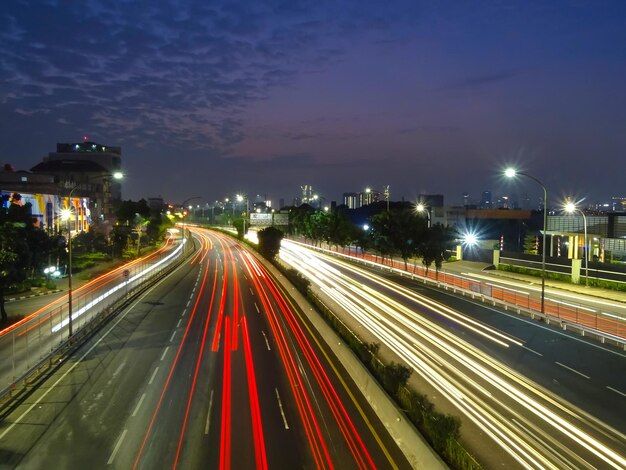
When Does Traffic Actually Die Down in Atlanta?
If you spend any time on Atlanta roads, you quickly learn that “rush hour” can feel like all day. Still, there are reliable patterns for when traffic eases up—and knowing them can save you a lot of time and frustration.
Below is a clear, Atlanta-specific guide to when traffic dies down, plus how it changes by day of week, season, and area of the city.
Typical Daily Traffic Patterns in Atlanta
Traffic in Atlanta centers around commuters using I‑75, I‑85, I‑285, GA‑400, and the Downtown Connector. While conditions vary, most drivers notice these general patterns:
Weekday Rush Hours
Morning rush (worst congestion):
- Starts building: 6:30 a.m.
- Heaviest: 7:30 a.m. – 9:00 a.m.
- Begins to die down: around 9:15–9:30 a.m.
- Usually much lighter: after 10:00 a.m.
Evening rush (worst congestion):
- Starts building: 3:30 p.m.
- Heaviest: 4:30 p.m. – 6:30 p.m.
- Begins to die down: around 6:45–7:00 p.m.
- Usually much lighter: after 7:30 p.m.
- Often calm (for Atlanta): after 8:00 p.m.
Outside these windows, most major routes move more steadily, especially late mornings, early afternoons, and late evenings.
At-a-Glance: When Traffic Usually Dies Down
Use this as a quick reference for typical, non-holiday weekdays.
| Time of Day | General Traffic Level | Notes |
|---|---|---|
| 5:00–6:30 a.m. | Light to moderate | Early commuters, truck traffic |
| 6:30–7:30 a.m. | Building | Delays start on I‑75/I‑85, GA‑400 |
| 7:30–9:00 a.m. | Heavy (peak morning) | Major slowdowns into Downtown/Midtown |
| 9:15–10:00 a.m. | Easing / dying down | Still busy but improving |
| 10:00 a.m.–2:30 p.m. | Light to moderate | Best weekday window for driving |
| 2:30–3:30 p.m. | Building again | Schools let out, early commuters |
| 4:30–6:30 p.m. | Heavy (peak evening) | Worst travel times in most directions |
| 6:45–7:30 p.m. | Easing / dying down | Congestion slowly clears |
| 7:30–9:30 p.m. | Light to moderate | Events and stadium traffic may affect this |
| After 9:30 p.m. | Generally light | Overnight lanes closures may still slow you |
These are typical patterns. Any crash, lane closure, or weather event can change conditions quickly.
How Traffic Varies by Day of the Week
Monday–Thursday
- Most predictable commute days.
- Heavy inbound traffic in the morning (into Downtown, Midtown, Buckhead).
- Heavy outbound traffic in the evening (toward suburbs like Marietta, Sandy Springs, Decatur, and Gwinnett areas).
- Traffic usually dies down fastest around 9:30 a.m. and after 7:00 p.m.
Friday
Friday has its own personality in Atlanta:
- Morning: Often slightly lighter than Tuesday–Thursday.
- Midday / Afternoon: Heavier than usual, especially:
- I‑75/I‑85 southbound (leaving Downtown/Midtown)
- I‑20 east and west (people heading out of town)
- I‑285, almost everywhere
- Evening traffic often stays busy later, especially on routes toward:
- Hartsfield–Jackson Atlanta International Airport
- Popular weekend getaway routes (I‑75 south toward Macon, I‑75/85 north toward the suburbs)
- On Fridays, traffic may not truly die down until 7:30–8:00 p.m. or later, especially before major weekends or holidays.
Weekends (Saturday & Sunday)
Saturday:
- Early morning (before 9:00 a.m.): generally light.
- Late morning and midday: more shopping and errand traffic; busy around major malls (Lenox Square, Perimeter Mall, Cumberland area).
- Afternoon: event-driven congestion near:
- Mercedes‑Benz Stadium
- State Farm Arena
- Georgia World Congress Center
- Truist Park (Cumberland/Vinings, during Braves season)
- Evening: Can be heavy around entertainment districts (Midtown, Buckhead, West Midtown), but major interstates usually move better than weekday rush. Traffic generally dies down after 9:00–10:00 p.m. unless there’s a big event letting out.
Sunday:
- Often the lightest day overall.
- Exceptions: traffic around churches, stadiums, large events, and airport runs.
- On I‑75/I‑85 through Downtown and on I‑285, traffic is typically noticeably lighter and may stay light almost all day, besides event peaks and evening airport runs.
Areas Where “Rush Hour” Lasts Longer
In some parts of metro Atlanta, traffic stays heavy longer than the general times above.
Downtown Connector (I‑75/I‑85 Through Downtown)
This stretch is known as one of the city’s most consistently congested roads.
- Morning: Heavy from about 7:00 a.m. to 9:30 a.m.
- Evening: Heavy from about 4:00 p.m. to 7:00 p.m.
- Often does not feel “clear” until around 10:00 a.m. and after 7:30 p.m.
- Crashes or stalled vehicles can extend congestion well beyond those times.
GA‑400 (Especially Between I‑285 and Alpharetta)
- Inbound (toward Atlanta) morning: Very heavy 6:45–9:00 a.m.
- Outbound evening: Heavy 4:00–7:00 p.m.
- Rarely feels truly open during peak periods; it usually dies down closer to 9:30 a.m. and after 7:00 p.m.
I‑285 Perimeter
Because I‑285 acts as both a bypass and a local route, it can be slow most of the day.
- West side (Cobb/Fulton) and top end (Sandy Springs/Dunwoody) see extended rush hours.
- On weekdays, there can be steady, slow-moving traffic from 7:00–10:00 a.m. and again from 3:30–7:00 p.m.
- Often doesn’t feel truly “died down” until closer to 10:00 a.m. and 7:30 p.m.
Seasonal & Weather Differences
School Year vs. Summer
School in session (roughly August–May):
- More school buses and parent drop-offs, especially 7:00–8:30 a.m.
- Residential/suburban corridors (near schools in Cobb, Gwinnett, Fulton, DeKalb, etc.) feel heavier.
- Morning rush tends to start earlier and feels more intense.
Summer:
- Many people travel or work different hours.
- Rush hour can be slightly shorter; in some areas, morning traffic eases by 9:00 a.m. instead of closer to 9:30 a.m.
- However, holiday weekends (Memorial Day, July 4, Labor Day) bring very heavy outbound traffic on Friday afternoons and inbound traffic on Sundays/Mondays.
Weather Impacts
- Rain: Even light rain can immediately slow traffic on I‑285, I‑75, I‑85, GA‑400, and surface streets.
- Expect rush hour to start earlier and end later.
- A normal 30-minute drive can easily stretch closer to an hour.
- Severe storms or flooding: Certain low-lying stretches can back up quickly; crashes are more common.
- Snow/ice (rare but important): When winter weather is forecast, many employers adjust hours or send workers home early. This can cause very early and very intense traffic spikes, sometimes midday, until conditions clear.
Big Events That Keep Traffic Heavy Longer
Traffic in Atlanta doesn’t always follow a neat pattern. Large events can delay when traffic dies down, especially near Downtown, Midtown, Cobb, and college campuses.
Common traffic-heavy events include:
- Falcons games, United matches, concerts at Mercedes‑Benz Stadium.
- Hawks games and concerts at State Farm Arena.
- Braves games at Truist Park (I‑75, I‑285, and Cobb Parkway areas).
- Major conventions at the Georgia World Congress Center.
- Large events near Georgia Tech, Georgia State University, and other campuses.
On these days, expect:
- Pre-event traffic to build 2–3 hours before start time.
- Outbound traffic to spike immediately after the event and stay heavy for 30–60 minutes or more.
- Nearby highways and surface streets to take longer than usual to clear.
If you’re not attending the event, it can be easier to avoid the area entirely around those times.
Best Times to Drive Around Atlanta (If You Want Less Traffic)
If you’re flexible, you can usually avoid the worst congestion with a few timing strategies.
On Weekdays
Generally better times to drive:
- Late morning: 10:00 a.m. – 11:30 a.m.
- Midday: 11:30 a.m. – 2:30 p.m.
- Later evening: After 7:30–8:00 p.m.
These times are often your best bet for:
- Airport trips
- Cross-town errands
- Doctor’s appointments
- Shopping runs in busy areas (Buckhead, Perimeter, Cumberland, etc.)
Times to avoid if possible:
- 7:30–9:00 a.m. (into Downtown, Midtown, Buckhead)
- 4:30–6:30 p.m. (in almost any direction)
On Weekends
Often easier driving:
- Early morning: Before 9:00 a.m.
- Late morning and afternoon: Except around major shopping centers and stadium event times.
- Sunday evenings: Can be busier near the airport and on I‑75/I‑85 but still usually better than weekday peaks.
How Long After Rush Hour Until It’s “Really” Clear?
Many Atlanta drivers notice that traffic doesn’t instantly disappear at the end of rush hour—it slowly improves.
A practical way to think about it:
15–30 minutes after peak:
You’ll notice speeds improving but still see stop-and-go pockets on major interstates.45–60 minutes after peak:
Most main corridors are moving steadily, unless there’s a crash or construction.
So if rush hour peaks around 8:30–9:00 a.m., plan for:
- Noticeable improvement by 9:15 a.m.
- Generally better driving conditions by 9:45–10:00 a.m.
If evening peak is around 5:30–6:00 p.m., then:
- Things start easing around 6:30 p.m.
- Feel significantly clearer by 7:15–7:30 p.m.
Using Local Tools to Time Your Trips
To judge when traffic is actually dying down in real time, Atlanta drivers commonly rely on:
Local radio and traffic reports:
Stations that regularly give I‑75, I‑85, I‑20, I‑285, and GA‑400 updates can help you know when major backups are clearing.Georgia Department of Transportation (GDOT):
GDOT operates traffic cameras, changeable message signs, and the 511 travel information service. It’s widely used to check:- Active incidents
- Construction or lane closures
- Current speeds on major corridors
Navigation apps:
While not perfect, they can often show live slowdowns and help you see when red (heavy) lines turn to yellow or green (lighter traffic), especially on:- Downtown Connector
- I‑285 Perimeter
- GA‑400
- I‑20 east and west of the city
Using these tools for just a minute or two before you leave can tell you whether traffic is still peaking or starting to die down.
Key Takeaways: When Does Traffic Die Down in Atlanta?
Weekday mornings:
Traffic usually starts to ease after 9:00 a.m. and feels much better by 10:00 a.m.Weekday evenings:
Traffic generally begins to die down around 6:45–7:00 p.m. and is more manageable after 7:30 p.m.Fridays and event days:
Congestion can stay heavy later into the evening, especially leaving town or near stadiums.Weekends, especially Sundays:
Traffic is often much lighter, with fewer true “rush hour” periods except around major events and airport trips.
If you can plan your drives for midday or later in the evening, you’ll usually find that Atlanta traffic has finally died down enough to move at a more relaxed, predictable pace.