
Alligators in Atlanta: What Locals and Visitors Really Need to Know
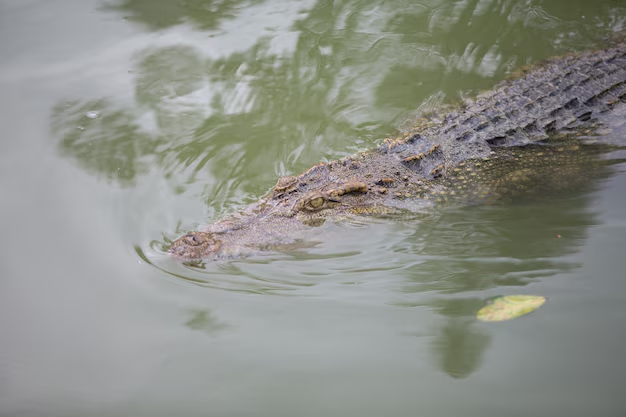
If you spend time near lakes and rivers around Atlanta, Georgia, it’s natural to wonder: does Atlanta have alligators? The short answer is yes, but sightings inside the city are uncommon, and serious encounters are rare. Still, it’s smart to understand where alligators live, how they sometimes reach the metro area, and what to do if you see one.
Does Atlanta Have Alligators?
Atlanta is not classic “alligator country” like coastal Georgia or south Georgia swamps, but:
- Alligators do live in Georgia, especially in the southern half of the state.
- A few alligators are occasionally found in or near the Atlanta metro area, often in larger lakes, ponds, or river systems.
- Most urban and suburban residents in Atlanta will never see an alligator in daily life.
Wildlife officials typically consider the natural alligator range in Georgia to begin south of the “fall line” (roughly Columbus–Macon–Augusta). Atlanta is north of that. However, alligators can travel along rivers, be moved by humans, or show up in unexpected places.
So if you are in downtown or midtown Atlanta, gators are not a day-to-day concern. But if you spend time around certain lakes, rivers, or wetlands elsewhere in the metro area, it’s worth being aware.
Where Could You Encounter Alligators Around Atlanta?
1. Major Waterways Near Metro Atlanta
Alligators are most likely to appear in:
- Large rivers and reservoirs connected to waters farther south
- Slow-moving creeks, marshy areas, and retention ponds that stay warm and wet
Around the broader Atlanta region, people sometimes ask about:
- Chattahoochee River – This river runs along the western edge of metro Atlanta. The cooler water and northern latitude make it less ideal habitat for alligators, but occasional reports do surface downstream, especially farther south of the city.
- Large lakes and reservoirs – Lakes with plenty of fish and quiet coves could, in rare cases, attract a wandering alligator that has traveled up a river system or was released illegally.
In general, most lakes and rivers immediately around Atlanta are not known for dense alligator populations, but it is never safe to assume a body of water is gator‑free.
2. Suburban Ponds and Golf Course Lakes
From time to time, metro residents hear about an alligator discovered in a neighborhood pond or golf course lake. These animals may have:
- Followed creeks or drainage systems during warm months
- Been illegally transported and released as unwanted pets
- Traveled overland from one water source to another
These sightings are uncommon, but they do happen often enough that animal control and wildlife officers are prepared to respond.
How Common Are Alligators in Atlanta?
For most people living in Fulton, DeKalb, Cobb, or Gwinnett County, encountering a wild alligator is very unlikely. When alligators are found in the metro area, it is usually:
- A single alligator, not a large group
- Quickly reported and removed by local animal control or the Georgia Department of Natural Resources (DNR)
- Noticeable enough that it becomes local news
In contrast, if you travel from Atlanta to south Georgia, especially closer to the coast, alligators become a normal part of the landscape in many rivers, swamps, and marshes.
Atlanta vs. the Rest of Georgia: Where Alligators Actually Live
Here is a simple way to think about alligator presence when you’re in or traveling from Atlanta:
| Area | Alligator Presence | What to Expect |
|---|---|---|
| Downtown / Midtown Atlanta | Very rare | Highly developed, limited habitat; sightings are unusual. |
| Inner suburbs (Fulton, DeKalb, Cobb, Gwinnett) | Rare | Occasional reports in lakes/ponds; usually one-off animals. |
| Outer metro / exurbs (far south & east of Atlanta) | Possible | More natural wetlands; remain alert around water. |
| Middle & South Georgia | Common | Alligators are a routine part of natural waterways and wetlands. |
| Coastal Georgia (Savannah, Brunswick, etc.) | Very common | Strong alligator habitat; assume they may be present in and near freshwater. |
If you mainly stay in the Atlanta city core, alligators are more of a curiosity than a risk. If you live on the outer edges of the metro, especially closer to southward-flowing rivers, you should treat wild water bodies with more caution.
Is It Safe to Swim in Lakes and Rivers Around Atlanta?
For recreation near Atlanta—swimming, kayaking, fishing—safety depends more on water conditions, currents, and local rules than on alligators. However, anytime you are in or near freshwater in Georgia, it’s wise to follow a few basic guidelines:
- Do not assume any natural water is 100% free of wildlife.
- Swim only in designated areas where local agencies allow it.
- Avoid thick vegetation and murky shorelines, especially at dawn, dusk, or night when wildlife is more active.
- Supervise children closely around any body of water.
While serious alligator incidents are rare in and around Atlanta, these habits are good practice across the state.
What To Do If You See an Alligator in Atlanta
If you believe you have seen an alligator in a neighborhood pond, park, or stream near Atlanta:
Keep your distance.
- Stay well back from the water’s edge.
- Do not try to get close for pictures.
Do not feed or approach the animal.
- Feeding alligators makes them lose fear of humans, which is dangerous.
- Harassing or attempting to capture a wild alligator is unsafe and generally not permitted.
Note the location clearly.
- Name of the park, neighborhood, or apartment complex
- Nearby street or intersection
- Which side of the lake or pond you were on
Contact local authorities.
- If the alligator is in a public area (park, greenway, school):
- You can call local animal control or the non-emergency number of the police department in your county.
- If it is on private property (your home, HOA lake, business property):
- Notify your property manager or HOA, and they can coordinate with animal control or the Georgia DNR if needed.
- If the alligator is in a public area (park, greenway, school):
Officials will typically evaluate the size, location, and behavior of the alligator to decide whether removal is necessary.
Key Agencies and Contacts for Alligator Issues Near Atlanta
If you are in the Atlanta area and think an alligator poses a concern, these official contacts are good starting points:
Georgia Department of Natural Resources – Wildlife Resources Division
The Wildlife Resources Division oversees wild alligators in Georgia.
- Region 3 / 4 offices (covering much of north and central Georgia) maintain staff who can advise on wildlife reports.
- For non-emergency wildlife questions or to report a nuisance alligator, you can contact the nearest DNR Wildlife Resources office during business hours, or local law enforcement after hours, which can coordinate with DNR.
Because office locations and phone numbers for specific regions may change over time, it is often safest to:
- Call Georgia DNR’s general information line (commonly listed on state resources) for guidance, or
- Ask local county animal control who they coordinate with for alligator issues.
Local Animal Control and Non-Emergency Lines
If you see a possible alligator in a neighborhood, school, or park within the City of Atlanta or surrounding counties, you can use:
- City of Atlanta Police Department – Non-Emergency Line
Commonly used for animal issues in city limits and can direct you to the correct unit. - County Animal Services / Animal Control
Each metro county (such as Fulton, DeKalb, Cobb, Gwinnett, and others) maintains an animal control department that can respond or refer you to state wildlife officials.
When you call, be prepared to share:
- Your exact location
- Approximate size of the animal (if you can safely estimate—from a distance)
- Whether the animal seems to be threatening people or pets
Pet Owners in Atlanta: Extra Precautions Near Water
Even though alligators are not common in Atlanta, pet owners should still practice smart habits in case wildlife is present:
- Keep dogs on a leash near lakes, ponds, and rivers.
- Do not let pets swim in unfamiliar or remote water bodies, especially in more rural parts of the metro or when traveling south of Atlanta.
- Avoid letting pets drink from water at the very edge of marshy or vegetation-heavy areas.
These steps protect pets not just from alligators but also from snakes, snapping turtles, and other hazards.
Visiting Atlanta’s Nature Areas and Parks
Atlanta offers many green spaces, creeks, and reservoirs where residents enjoy the outdoors:
- Urban parks with lakes and ponds
- Trails along the Chattahoochee River and other waterways
- Nature preserves and wildlife viewing areas on the outer edges of the metro
In most of these locations, park managers will post signs if there is a known wildlife concern. When you visit:
- Read and follow all posted warnings.
- Stay on designated trails and boardwalks.
- Respect fencing and barriers around water features.
If you are ever unsure whether alligators might be present, you can ask a park ranger or nature center staff.
Practical Takeaways for Atlanta Residents and Visitors
Here are the main points to keep in mind:
- Yes, alligators exist in Georgia, but Atlanta itself is on the northern edge of their typical range, so encounters are uncommon.
- You are unlikely to see an alligator in most of the city, but they may occasionally appear in lakes, ponds, and rivers in or near the metro area.
- Treat any body of water in Georgia with basic caution: don’t feed wildlife, keep a safe distance, and supervise children and pets.
- If you see a suspected alligator in a public area around Atlanta, contact local animal control or use the local non-emergency line, and they can coordinate with the Georgia DNR if needed.
Understanding how alligators fit into Atlanta’s broader natural environment lets you enjoy the city’s lakes, rivers, and parks with realistic awareness—and without unnecessary worry.