
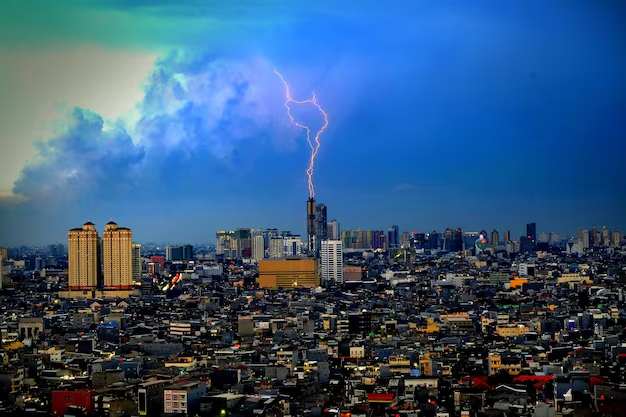
Is Atlanta in a State of Emergency? What Residents and Visitors Need to Know
If you live in Atlanta, are visiting, or are thinking about moving here, it’s natural to wonder: “Is Atlanta in a state of emergency right now?” The answer changes over time, but there are clear ways to check and to understand what different types of “emergencies” actually mean for daily life in Atlanta, Georgia.
Below is a practical guide to how states of emergency work in Atlanta, how they’re declared, what they usually involve, and how you can quickly find out the current status and what to do.
Is Atlanta Currently in a State of Emergency?
Because emergencies are time-sensitive and change frequently, whether Atlanta is under a state of emergency depends on the current situation.
Since this information can change after this article is written, the most reliable way to check if there is an active emergency affecting Atlanta is to:
- Look for alerts from the City of Atlanta (Mayor’s Office or Atlanta Emergency Management Agency).
- Check State of Georgia emergency declarations that include Fulton County and the Atlanta region.
- Monitor local news, weather alerts, and official emergency notification systems.
If you are unsure, assume you should check official sources, not social media rumors or informal posts.
Who Can Declare a State of Emergency That Affects Atlanta?
Atlanta can be under different types of emergency declarations at the city, county, or state level. Each level can affect your daily life in a different way.
1. City of Atlanta Emergency Declarations
The Mayor of Atlanta can declare a local state of emergency for the city itself. This typically happens when:
- Severe weather (like ice storms, flooding, or tornado threats) affects city operations
- Major infrastructure issues occur (water main breaks, widespread power issues, etc.)
- Public safety conditions require special measures
A City of Atlanta local emergency might affect:
- City facilities (closures or limited services)
- Curfews or restrictions in specific areas
- Road closures or transportation changes, including impacts on MARTA routes within city limits
- Public events (cancellations or capacity limits)
2. Fulton County and Neighboring Counties
Atlanta is mostly located in Fulton County, with some areas extending into DeKalb County. County governments can also declare local emergencies that affect:
- County-operated facilities
- Certain county services, courts, and public health operations
- Emergency shelters or resource centers
Even if an emergency is declared at the county level, it can feel like an “Atlanta emergency” if you live or work inside the city.
3. State of Georgia Emergency Declarations
The Governor of Georgia can declare a statewide or regional State of Emergency that includes Atlanta. This is common for:
- Major severe weather, such as hurricanes affecting the state, ice storms, or tornado outbreaks
- Large-scale public health emergencies
- Serious fuel, supply, or infrastructure disruptions
A state-level emergency can:
- Activate the Georgia Emergency Management and Homeland Security Agency (GEMA/HS)
- Bring in state resources like the Georgia State Patrol or National Guard
- Affect fuel prices, transportation rules, or trucking regulations
- Open up disaster assistance programs for individuals and businesses
What a “State of Emergency” Actually Means in Atlanta
The term “state of emergency” sounds alarming, but in practice it usually means government agencies are:
- Releasing extra resources and staff
- Coordinating emergency response across city, county, and state agencies
- Streamlining rules to speed up repairs, cleanup, or public safety actions
For most residents and visitors in Atlanta, a state of emergency might mean:
- Advice to stay off the roads during severe weather
- School or workplace closures
- Changes to city services, such as trash pickup delayed or rescheduled
- Possible curfews or crowd restrictions in specific, high-impact situations
It does not always mean that the entire city is unsafe, but it is a sign that conditions are serious enough that officials need more flexibility than usual.
Common Reasons Atlanta Enters a State of Emergency
While every situation is different, Atlanta most often sees emergency declarations for:
Severe Weather and Natural Hazards
Some typical weather-related triggers include:
- Ice storms and snow: Even small amounts can cause major road issues in metro Atlanta.
- Flash flooding: Heavy rain can quickly flood low-lying neighborhoods, underpasses, and creeks.
- Tornado threats: Atlanta and the surrounding counties regularly fall under tornado watches and warnings.
- High winds and downed trees: Power outages and blocked roads can prompt local emergency responses.
During these events, you might see:
- Requests to limit driving
- School closures across Atlanta Public Schools and nearby districts
- MARTA delays or reroutes
- Opening of warming or cooling centers
Public Health and Safety Situations
Atlanta can be affected by broader public health emergencies or specific local safety issues. In such cases, authorities may:
- Issue public health advisories
- Adjust business or gathering rules temporarily
- Increase public safety presence in certain areas
Infrastructure or Major Incident Response
Occasionally, Atlanta may face emergencies tied to:
- Large water main breaks
- Major fires or hazardous spills
- Transportation disruptions, such as highway damage
These often result in localized impacts—for example, lane closures, detours, or “boil water” advisories—but can still fall under a formal emergency declaration.
How to Check If Atlanta Is Under a State of Emergency Right Now
To avoid confusion, it helps to rely on official, stable sources rather than hearsay. Here are key places and agencies to look to verify the situation.
1. City of Atlanta Announcements
The City of Atlanta and the Mayor’s Office share emergency declarations and updates related to:
- Local states of emergency
- Citywide curfews or restrictions
- Facility closures and service changes
The Atlanta Emergency Management Agency (AEMA) coordinates city-level response.
Atlanta Emergency Management Agency (AEMA)
- Address: Typically based within the City of Atlanta’s public safety or emergency services departments
- Works closely with: Atlanta Fire Rescue, Atlanta Police, and other local agencies
Look for city statements delivered through:
- Official city communications
- Local news outlets
- Emergency text or alert systems (if you are enrolled)
2. Fulton County and DeKalb County
Because Atlanta spans Fulton and DeKalb counties, county-level emergencies can affect:
- County courts and services
- County-managed shelters or relief centers
- Certain public health or social services
Two key county agencies:
- Fulton County Emergency Management Agency
- DeKalb County Emergency Management Agency
They typically coordinate with city and state partners when a larger emergency is declared.
3. State of Georgia (Including Metro Atlanta)
For statewide or regional emergencies that include Atlanta, the key agency is:
Georgia Emergency Management and Homeland Security Agency (GEMA/HS)
- Main Office: 935 United Ave SE, Atlanta, GA 30316
- Main Phone: 1-800-TRY-GEMA (1-800-879-4362)
GEMA/HS supports and coordinates:
- Statewide disaster response
- Resource deployment to Atlanta and neighboring counties
- Public information about large-scale emergencies
The Governor’s Office will typically issue formal orders when a State of Emergency for Georgia is in effect, often mentioning specific counties, including Fulton and DeKalb when Atlanta is impacted.
4. Local News and Weather Alerts
For real-time details about what an emergency means on the ground in Atlanta, many residents rely on:
- Atlanta-area TV stations and radio
- National Weather Service alerts for the Atlanta area
- Weather alerts pushed to smartphones
These sources often explain road closures, school status, and neighborhood-level impacts, which matter for day-to-day decisions.
What a State of Emergency Might Change for Your Daily Life in Atlanta
When a state of emergency includes Atlanta, here’s how it might show up in your routine.
Transportation and Commuting
You may encounter:
- MARTA schedule changes or route detours
- Road closures on major corridors like I-75/I-85 (Downtown Connector), I-20, or I-285
- Reduced traffic signal reliability during power outages
- Requests to avoid non-essential travel
If you commute into Downtown, Midtown, Buckhead, or the airport area, it’s smart to:
- Check traffic and transit updates before leaving
- Allow extra time for detours or slower travel
- Work remotely if your employer offers that option during emergencies
City and County Services
A state of emergency can affect:
- Trash and recycling pickup schedules
- Municipal court operations
- Recreation center hours
- Availability of public libraries in Atlanta and surrounding counties
During severe weather or major incidents, city and county agencies often prioritize life safety and critical infrastructure first, then restore regular services afterward.
Schools and Universities
While a state of emergency does not automatically close schools, it often influences:
- Atlanta Public Schools (APS) decisions
- Choices by major universities (Georgia State University, Georgia Tech, Atlanta University Center institutions, etc.)
If you have children in school or attend classes in Atlanta:
- Check your specific school district or campus announcements.
- Do not rely solely on a “state of emergency” headline; closures are often decided individually.
Events, Venues, and Attractions
Atlanta’s concerts, sports events, and attractions (such as State Farm Arena, Mercedes-Benz Stadium, major conventions, or festivals) may:
- Reduce capacity
- Reschedule or cancel events
- Adjust entry or safety procedures
If you have tickets to an event, check the organizer’s updates even if daily life seems mostly normal in your neighborhood.
How to Stay Informed About Emergencies in Atlanta
Being prepared in Atlanta doesn’t mean living in fear; it means having quick, trusted ways to get accurate information.
Build Your Own “Info Toolkit”
Consider using a mix of:
- 📱 Wireless emergency alerts (on most smartphones)
- 📻 A battery-powered radio for weather and local news during power outages
- 🧾 A short, written list of important phone numbers and addresses, including:
- Local emergency management agencies
- Utility companies (power, water, gas)
- Your workplace, school, and key medical contacts
Official and Reliable Contacts in the Atlanta Area
Here are several useful, stable points of contact related to emergencies and public safety:
Atlanta Police Department (non-emergency)
- General Non-Emergency: 404-658-6666
Atlanta Fire Rescue Department (administrative)
- Typically reached through City of Atlanta main lines or non-emergency channels
Fulton County Government (Main Switchboard)
- Main Phone: 404-612-4000
DeKalb County Government (Main Switchboard)
- Main Phone: 404-371-2000
Georgia Emergency Management and Homeland Security Agency (GEMA/HS)
- Address: 935 United Ave SE, Atlanta, GA 30316
- Phone: 1-800-TRY-GEMA (1-800-879-4362)
For life-threatening emergencies anywhere in Atlanta, always dial 911.
Quick Reference: Understanding Emergency Declarations in Atlanta
Below is a simple overview of how different emergency levels relate to Atlanta:
| Level of Declaration | Who Declares It | Does It Affect Atlanta? | What It Usually Changes |
|---|---|---|---|
| City of Atlanta Local Emergency | Mayor of Atlanta | Yes, within city limits | City services, city facilities, local restrictions |
| Fulton/DeKalb County Emergency | County government (Fulton/DeKalb) | Yes, within county areas, including parts of Atlanta | County services, shelters, some public health rules |
| State of Georgia State of Emergency | Governor of Georgia & GEMA/HS | Often includes Fulton/DeKalb and metro Atlanta | State resources, transportation rules, disaster assistance |
| Federal Emergency/Disaster | Federal government (on request from state) | Can include metro Atlanta area | Federal funding, recovery aid, long-term support |
Use this table as a quick way to interpret headlines and understand whether a declaration is likely to affect your daily plans inside Atlanta.
What You Should Do When You Hear “State of Emergency in Georgia” or “Emergency in Atlanta”
If you see or hear that Atlanta—or Georgia, including Atlanta—is under a state of emergency:
Confirm the details.
- Is the declaration city, county, or statewide?
- Does it clearly mention Atlanta, Fulton County, or DeKalb County?
Identify the main risk.
- Weather (ice, flooding, tornadoes)?
- Public safety?
- Infrastructure (water, power, roads)?
Adjust your plans if needed.
- Delay non-essential travel.
- Check on family, neighbors, or friends in more vulnerable areas.
- Follow any curfews or instructions from law enforcement or city officials.
Stay tuned, but don’t panic.
- Rely on official updates and established news outlets.
- Re-check conditions before heading out, especially early in the morning or late at night.
In summary, Atlanta is not always in a state of emergency, but the city is part of a layered system of city, county, and state emergency declarations. Whenever you hear about an emergency related to Atlanta, the safest approach is to verify the current status through official channels, understand what kind of emergency it is, and follow guidance tailored to your specific neighborhood, workplace, or travel plans within the city.