
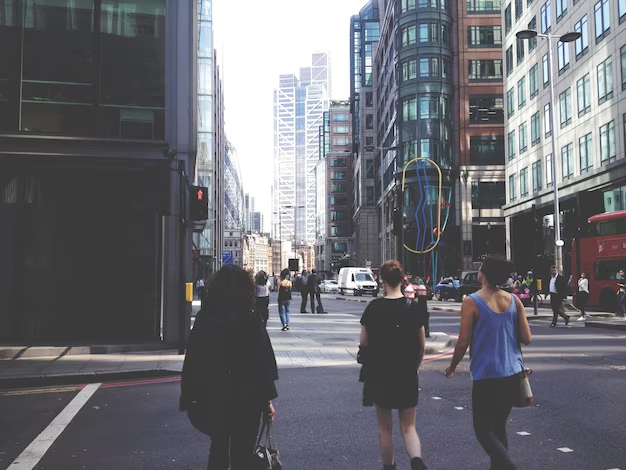
How Safe Is Midtown Atlanta? What Residents and Visitors Should Know
Midtown is one of Atlanta’s busiest, most walkable neighborhoods—home to high-rises, major employers, nightlife, and cultural landmarks like the Fox Theatre and Piedmont Park. Because it’s so active, many people ask the same question: “Is Midtown Atlanta safe?”
The honest answer: Midtown is generally safe for most everyday activities when you use normal big-city precautions, but it does experience crime, especially around nightlife areas, major transit stops, and late at night. Safety can also feel very different from one block to the next.
Below is a practical, Atlanta-focused guide to understanding safety in Midtown, how it compares to other areas, and what you can do to stay aware and prepared.
Midtown Atlanta at a Glance
Midtown covers a central stretch of the city roughly between North Avenue and I-85, and between Northside Drive and Piedmont Avenue, including:
- Peachtree Street corridor (restaurants, offices, condos)
- Tech Square / Georgia Tech-adjacent areas
- Midtown MARTA Station and Arts Center MARTA Station
- Piedmont Park and residential streets around it
- High-rise residential pockets along West Peachtree and Spring Street
It’s dense, heavily traveled, and feels very different depending on:
- Time of day (weekday lunch vs. 2 a.m. bar closing)
- Exact block (busy Peachtree vs. a side street)
- Events (concerts, festivals, major sports games nearby)
For many people who live and work there, Midtown feels active and mostly comfortable during the day, with more mixed experiences late at night, especially around nightlife and transit spots.
What “Safe” Usually Means in Midtown
When people ask if Midtown Atlanta is safe, they’re usually wondering about:
- Walking safety (day and night)
- Property crime (theft, car break-ins, package theft)
- Violent crime (robberies, assaults)
- Perception vs. reality (how it feels vs. what actually happens)
Daytime vs. Nighttime
Daytime:
- Sidewalks on Peachtree Street, around Tech Square, and near Piedmont Park are typically busy with workers, students, and visitors.
- Many people walk to restaurants, offices, and MARTA stations without serious concerns, especially on main streets.
- You’ll still want to watch for pickpocketing, bike theft, and car break-ins, but broad daylight in busy corridors usually feels reasonably secure.
Nighttime:
- Areas near bars, clubs, and some MARTA entrances can feel less predictable late at night.
- Isolated side streets or parking lots may feel uncomfortable if you’re alone or unfamiliar with the area.
- Ride-hailing pickups, waiting for food delivery, and walking to parking garages are common times when people become more alert.
Common Types of Crime Around Midtown
Midtown sees a mix of property and occasional violent crime, similar to other dense, urban districts.
1. Property Crime
This is often the most noticeable issue for residents and visitors:
- Car break-ins in parking decks, surface lots, and on-street parking
- Theft of bags, laptops, and phones left unattended in restaurants, parks, or lobbies
- Package theft from apartment or condo buildings
- Bike and scooter theft when items are poorly secured
These crimes are common in busy city centers because there are many potential targets in a relatively small area.
2. Violent Crime
Midtown does experience some violent incidents, including:
- Robberies, sometimes near transit stops, parking lots, or late-night hangouts
- Occasional assaults related to arguments, alcohol, or nightlife crowds
Most residents go through daily life without being victims of violent crime, but it’s sensible to treat Midtown like any large city center: stay aware of your surroundings, especially at night or when alone.
Streets and Spots That Feel Safer vs. Riskier
While crime can happen anywhere, certain patterns are common in Midtown.
Areas That Often Feel Safer
These areas tend to have more foot traffic, lighting, and active businesses:
- Peachtree Street NE between about North Avenue and 15th Street
- Tech Square and the 5th Street Bridge connecting to Georgia Tech
- Around Colony Square and the Woodruff Arts Center / High Museum of Art
- Main entrances and popular paths in Piedmont Park during the day
More people, more lighting, and more businesses usually make these corridors feel more comfortable for walking.
Areas Where People Tend to Use Extra Caution
You may want to be more alert in:
- Parking decks and surface lots, especially at night
- Quieter side streets off the major corridors, particularly later in the evening
- Less busy areas near MARTA entrances after the main rush-hour crowds
- Certain blocks on the northern and southern edges of Midtown, where commercial and residential zones meet more industrial or less active areas
This doesn’t mean these places are “no-go zones,” just that they demand more awareness.
Midtown vs. Other Atlanta Neighborhoods
Compared with some Atlanta neighborhoods:
- Midtown often feels more walkable and well-lit than many suburban-style areas.
- It has more police presence than some smaller residential neighborhoods, simply due to its density and traffic.
- At the same time, high activity means more opportunities for theft, which can make reported property crime look higher than in quieter, less-visited parts of the city.
Versus areas like Downtown:
- Many residents feel Midtown is slightly more comfortable at night than certain Downtown blocks, mainly due to residential density and more mixed-use development.
- Both neighborhoods, however, share typical big-city concerns around transit hubs, parking, and nightlife.
Safety Tips for Walking and Getting Around Midtown
Midtown can be a great place to walk, bike, or use transit if you take some straightforward steps.
Walking Tips
- Stick to main streets like Peachtree, West Peachtree, Spring, and 10th when possible, especially after dark.
- Walk with purpose—avoid standing alone in poorly lit spots while looking down at your phone.
- Travel in pairs or groups late at night when coming from bars, events, or MARTA.
- Use crosswalks and signals; Midtown traffic can be fast and distracted.
Using MARTA and Transit
Midtown is served by Midtown and Arts Center stations on the Red/Gold MARTA line, and multiple bus routes.
Tips:
- Keep your bag closed and in front of you, especially on crowded trains.
- Try to wait for trains and buses in visible, well-lit areas of the platform.
- If a train car feels uncomfortable, you can move to another car or closer to the operator.
- Know your station exits ahead of time so you can walk confidently when you arrive.
Driving, Parking, and Car Break-In Prevention
Car break-ins are one of the most common complaints in and around Midtown.
Parking Smart in Midtown
- Use attended or well-lit decks or garages when possible.
- Never leave valuables visible: bags, laptops, shopping bags, backpacks, or loose electronics.
- Consider clearing out your trunk before you park, not after.
- Avoid leaving documents that show your home address inside the vehicle.
If you find your car broken into:
- Move to a safe, visible area away from anyone who might still be nearby.
- Call 911 for emergencies or crimes in progress, or Atlanta Police non-emergency at 404-658-6666 if not urgent.
- For insurance, you may need a report from the Atlanta Police Department (APD).
Living in Midtown: Building and Street-Level Safety
If you’re considering moving to Midtown, it’s worth looking at how individual buildings and streets manage safety.
What to Look for in an Apartment or Condo
When touring places:
- Controlled access: key fob or code entry for buildings and garages.
- Front-desk or security presence, especially in large high-rise buildings.
- Good lighting in hallways, parking areas, and building entrances.
- Package management systems (lockers, staffed package rooms, or concierge).
Ask current residents or management about:
- How they handle non-resident access (delivery drivers, guests, contractors).
- Any recent issues with mailroom theft or garage break-ins and how they responded.
Street-Level Considerations
For day-to-day life:
- Check whether your block feels active with foot traffic or is mostly empty after dark.
- Note the distance to MARTA, bus stops, and grocery stores if you’ll be walking.
- Decide if you’re comfortable walking a block or two at night from a restaurant, gym, or transit stop to your home.
Midtown Safety for Visitors and Tourists
If you’re staying in a Midtown hotel or short-term rental:
- Hotels around Peachtree, 14th Street, and Colony Square are popular due to easy walking to restaurants and attractions.
- Plan your routes to and from places like the Fox Theatre, Piedmont Park, High Museum, and Atlanta Symphony Hall before you head out.
Visitor tips:
- Keep photocopies or digital photos of your ID and important cards stored securely.
- Use the hotel safe for passports or rarely used cards.
- Ask the front desk for guidance on best walking routes at night.
Parks and Outdoor Spaces: Midtown’s Green Areas
Piedmont Park is one of Atlanta’s most loved green spaces and is heavily used by runners, dog walkers, and families.
Daytime:
- Generally feels active and comfortable, especially near major entrances off 10th Street and Park Drive.
- Common concerns are similar to any big city park: keep track of bags, lock your car, and stay on main pathways.
Evening:
- Lighting is present in many areas, but some paths get darker and quieter.
- Stick to better-lit, more traveled routes; avoid isolated corners after dark.
For emergencies in the park, you can call 911; the call is routed to local public safety dispatch.
Who Patrols and Responds in Midtown?
Several entities play a role in Midtown’s public safety environment.
Atlanta Police Department – Zone 5
Midtown is primarily covered by APD Zone 5, which also includes parts of Downtown and nearby areas.
- APD Headquarters: 226 Peachtree St SW, Atlanta, GA 30303
- Emergency: 911
- Non-emergency: 404-658-6666
Zone 5 officers respond to 911 calls, patrol the area, and handle incident reports.
Midtown Blue / Security Ambassadors
You may see Midtown Blue officers or private security/ambassador teams in parts of Midtown. Their roles can include:
- Visible patrols
- Acting as extra “eyes and ears” for APD
- Assisting with directions or minor issues
They’re not a replacement for police, but they contribute to the sense of presence in busy zones.
Practical Safety Habits That Go a Long Way
In a dense city neighborhood like Midtown, your habits matter as much as the area itself. A few high-impact steps:
- Stay aware, not afraid: Be mindful of your surroundings without being constantly on edge.
- Limit distractions: Avoid walking alone at night with noise-cancelling headphones or your eyes glued to your phone.
- Trust your instincts: If a route or situation feels off, change directions, step into a business, or call a ride.
- Have a check-in plan: Let a friend know when you’re heading home after a late event.
Quick Midtown Safety Snapshot
| Topic | What to Expect in Midtown Atlanta | How to Respond / Prepare |
|---|---|---|
| Daytime walking | Generally busy and comfortable on main streets and around parks | Use normal city awareness, stay on main routes |
| Nighttime walking | Mixed experience; some blocks feel fine, others more isolated | Walk in groups when possible, stick to main roads |
| Property crime | Car break-ins and theft are common complaints | Hide valuables, lock vehicles, secure packages |
| Violent crime | Present but less common than property crimes; more tied to nightlife | Avoid conflicts, stay aware near bars and transit |
| Transit (MARTA) | Widely used; busy during commute times | Keep belongings close, use well-lit areas |
| Parks (Piedmont Park) | Very active in daytime; quieter pockets later | Stay on main paths, especially after dark |
| Living there full-time | Many feel comfortable with good building security and habits | Choose secure buildings, learn your specific block |
How to Stay Informed About Midtown Safety
If you live in or frequently visit Midtown, staying informed helps you feel more in control:
- Follow local neighborhood associations or Midtown organizations that share updates.
- Attend or review notes from NPU (Neighborhood Planning Unit) meetings that cover Midtown topics.
- Use official channels like APD public information or the City of Atlanta for policy updates or public safety announcements.
If you have an emergency anywhere in Midtown Atlanta, always call 911 first. For non-urgent issues, questions, or follow-up, use Atlanta Police non-emergency at 404-658-6666 or visit the nearest APD precinct or Zone 5 office.
With realistic expectations, everyday precautions, and some local knowledge, many people find Midtown Atlanta to be a lively, manageable place to live, work, and explore.