
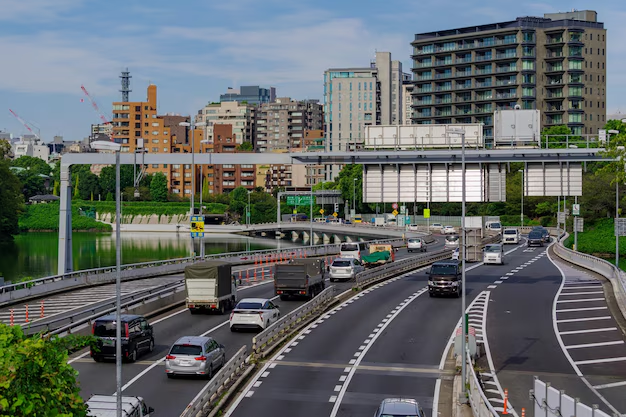
Is It Safe To Drive in Atlanta Right Now? A Local’s Guide to Timing Your Trip
If you live in Atlanta or you’re visiting, “When will it be safe to drive in Atlanta?” usually means two things:
- Is the traffic manageable?
- Are road and weather conditions reasonably safe?
Because Atlanta’s traffic and weather can change quickly, there’s no single “safe time” that fits every day. But there are clear patterns you can use to decide when it’s safest and least stressful to be on the road.
The Short Answer: Safest Times to Drive in Atlanta
In normal conditions (no major storms, crashes, or events), driving tends to be safest and most manageable in Atlanta:
Weekdays
- 10:00 a.m. – 2:30 p.m. (after morning rush, before afternoon rush)
- 8:00 p.m. – 10:30 p.m. (after most commuters are off the road)
Weekends
- Saturday: 9:00 a.m. – 1:00 p.m. (before game days and nightlife ramp up)
- Sunday: 8:00 a.m. – 11:00 a.m. (lightest traffic of the week for many areas)
Driving is usually most difficult and higher risk during:
- Weekday rush hours on the Downtown Connector (I‑75/85) and I‑285
- Heavy rainstorms or severe weather
- Late nights in entertainment districts (Midtown, Buckhead, Downtown) due to impaired or aggressive driving
From here, the rest of this guide breaks down what “safe” looks like in Atlanta and how to choose the best time for your situation.
Understanding Atlanta Traffic Patterns
Typical Rush Hours
Atlanta’s rush hours are built around commuters heading into and out of the city:
Morning rush:
- Starts building: 6:30 a.m.
- Peak: 7:15 a.m. – 9:00 a.m.
- Eases: by about 9:30–10:00 a.m.
Evening rush:
- Starts building: 3:30 p.m.
- Peak: 4:30 p.m. – 6:30 p.m.
- Eases: by around 7:00 p.m.
During these windows, expect stop‑and‑go traffic, frequent rear‑end collisions, and more aggressive lane changing, especially on:
- I‑75/85 (Downtown Connector)
- I‑20 (east–west through the city)
- I‑285 (The Perimeter)
- GA‑400 (north of the city through Sandy Springs and Roswell)
If you’re asking “Is it safe to drive right now?” and it’s peak rush hour, the safer move is usually to delay non‑urgent trips until traffic thins out.
Safest Times of Day to Drive in Atlanta
“Safe” driving in Atlanta usually means:
- Fewer cars on the road
- Better visibility (daylight if possible)
- Lower stress and less aggressive driving around you
Mid-Morning to Mid-Afternoon (Best Overall)
For most people, 10:00 a.m. to 2:30 p.m. on weekdays is the sweet spot:
- The morning rush has cleared
- The evening rush hasn’t started
- Most drivers are running errands or on lunch, not rushing to work
This is often the best time for:
- New drivers getting used to Atlanta roads
- People uncomfortable with heavy interstate traffic
- Long cross‑town trips (e.g., Stockbridge to Marietta, or Decatur to Marietta)
Early Evening (After the Commute)
8:00 p.m. – 10:30 p.m. can be calm on many roads:
- Commuters are mostly home
- Visibility is still decent in well-lit areas
- Interstates are steadier, though still fast
However, be mindful near Midtown, Buckhead, Downtown, and major event venues where nightlife and events can increase risky driving later in the night.
Early Morning Weekends
If you want the quietest Atlanta driving:
- Sunday mornings (8:00–11:00 a.m.) are often the lightest traffic of the week
- Saturday mornings (before 10:00 a.m.) can be calm, except near event areas or shopping districts
This is an excellent time for:
- Nervous drivers
- Long drives crossing multiple interstates
- Practicing unfamiliar routes
Times When Driving in Atlanta Is Riskier
Atlanta isn’t unsafe to drive in by default, but some times and conditions raise your risk and stress.
1. Rush Hour on Major Interstates
Particularly challenging spots during rush hour include:
- Downtown Connector (I‑75/85) – Tight curves, merging, and frequent slowdowns
- I‑285 (The Perimeter) – Heavy truck traffic and high‑speed lane changes
- GA‑400, I‑85, and I‑75 north of the city – Crowded commuter corridors
If you must drive then:
- Leave extra following distance
- Stay in a middle lane if possible (not far left or far right)
- Avoid frequent lane changes unless you need to exit
2. Heavy Rain and Storms
Atlanta storms can be sudden and intense, especially in spring and summer afternoons.
Rain in Atlanta often means:
- Hydroplaning risk on interstates like I‑20 and I‑285
- Reduced visibility from spray and sudden downpours
- Crashes that quickly back up traffic for miles
If storms are moving through and your trip is flexible, it’s safer to:
- Wait 20–60 minutes for the worst cells to pass
- Check a live traffic map or local news before leaving
3. Late-Night Weekends
Late Friday and Saturday nights, especially:
- Midtown (Peachtree St, 10th St area)
- Buckhead Village area
- Downtown near State Farm Arena, Mercedes‑Benz Stadium, and major bars
You may see:
- More impaired drivers
- Speeding and racing, particularly on interstates
- Pedestrians unexpectedly crossing or standing near lanes
If driving late at night:
- Avoid far‑left “fast” lanes on interstates where speeding is common
- Keep your doors locked and windows up at red lights in dense nightlife zones
- Stay alert at green lights, watching for people running reds
Seasonal and Weather Factors in Atlanta
Summer: Storms and Heat
Common summer issues:
- Pop‑up thunderstorms in the afternoon
- Ponding water in low spots and underpasses
- Heat-related vehicle problems (overheating, tire failure if underinflated)
Safer approach:
- Avoid starting long trips right as storms approach
- Keep tires properly inflated and engine maintenance up to date
- Slow down more than you think necessary in heavy rain
Winter: Rare Ice, Real Problems
Atlanta doesn’t see much snow, but ice events can shut the city down. Even a brief freeze can make:
- Bridges and overpasses on I‑285, I‑20, GA‑400 very slick
- Hilly neighborhoods in places like Buckhead, Midtown, and parts of Decatur difficult to navigate
If ice is forecast or roads are already icy, it may not be safe to drive at all, even short distances. Local guidance often urges staying off the roads until:
- Temperatures rise above freezing, and
- Crews treat main roads and interstates
In those situations, it’s best to:
- Check local news or the Georgia Department of Transportation (GDOT) for travel advisories
- Delay all non‑essential trips until conditions clearly improve
How to Judge If It’s Safe to Drive Right Now in Atlanta
When you’re deciding whether it’s safe to head out, run through a quick checklist:
1. Time of Day
Ask:
- Is it rush hour (6:30–9:30 a.m., 3:30–7:00 p.m. on weekdays)?
- Is it late night on a weekend near nightlife hubs?
- Can your trip wait an hour or two for calmer roads?
If you can shift your trip into a midday or early‑evening non‑peak window, your drive will usually be safer and less stressful.
2. Weather Conditions
Look outside and at a weather app:
- Dry and clear: Usually fine, just consider normal traffic.
- Heavy rain, low visibility, storms:
- If optional, delay 30–60 minutes.
- If necessary, reduce speed and use headlights.
- Icy or snowy: In Atlanta, this often means avoid driving entirely, especially early on when roads are untreated.
3. Route Type
Interstate vs. surface streets makes a big difference.
Interstates (I‑75/85, I‑20, I‑285, GA‑400):
- Faster but more intense, especially at rush hour
- Safer outside peak hours and in clear weather
Surface streets:
- Slower speeds, more stoplights and pedestrians
- Can be safer for nervous drivers, but watch for sudden stops and turning vehicles
Consider using:
- Interstates during off‑peak, clear conditions
- Surface streets during bad weather, at night, or if you’re not comfortable with high speeds
4. Your Own Comfort and Experience
It’s safe to factor yourself in:
- New to Atlanta?
- Uncomfortable changing lanes at high speeds?
- Anxious in storms or heavy traffic?
If you don’t feel safe, it’s reasonable to:
- Delay the trip
- Choose a simpler route even if it’s a little longer
- Practice less‑busy drives at midday or weekend mornings
Special Situations: When Extra Caution Is Needed
Major Events and Game Days
Traffic around:
- Mercedes‑Benz Stadium
- State Farm Arena
- Georgia World Congress Center
- Truist Park (Cobb County, just outside the Perimeter)
can be intense before and after games, concerts, and conventions.
Expect:
- Sudden lane shifts near exits
- Pedestrians crossing streets and parking lots
- Temporary lane closures and heavy police presence
If you’re not attending the event, it’s safer to:
- Avoid the immediate area during arrival (2–3 hours before) and departure (1–2 hours after)
- Use alternate routes that stay well away from the venue
Incidents and Road Closures
Crashes or stalled vehicles on Atlanta interstates can quickly turn a normal drive into stop‑and‑go chaos.
Before you leave for any big trip across the metro area, it helps to:
- Check a live traffic map
- Listen briefly to local radio traffic reports
If you see a major slowdown on your route, it may be safer to:
- Wait it out if your timing is flexible
- Use surface streets to go around the problem area
Key Atlanta Roads and What to Expect
Here’s a quick reference to help you judge how “safe” or stressful a route might be based on the time of day.
| Road / Area | Safest / Easiest Time | Toughest / Riskier Time | Notes |
|---|---|---|---|
| Downtown Connector (I‑75/85) | Late mornings, early afternoons | Weekday rush hours, event end times | High stress for new drivers |
| I‑285 (The Perimeter) | Midday, late evening | Rush hours, bad weather | Heavy trucks, fast lane changes |
| GA‑400 (north of I‑285) | Late mornings, weekends | Weekday mornings & late afternoons | Busy commuter corridor |
| I‑20 through Atlanta | Midday, early afternoon | Rush hours, during storms | Sudden slowdowns near interchanges |
| Surface streets (Ponce, Peachtree, etc.) | Midday, early evenings | Weekend late nights, near nightlife | Watch for pedestrians, cyclists |
If You’re New to Driving in Atlanta
If you just moved here or are visiting and are uneasy about local driving, you can make it much safer by:
Practicing off‑peak:
Start with Sunday mornings and weekday late mornings on easier routes.Avoiding tricky spots at first:
Skip the Downtown Connector and tight interchanges until you’re more familiar.Using landmarks instead of just GPS:
Learn major points like Midtown, Downtown, Buckhead, the Perimeter (I‑285) so you know roughly where you are.Giving yourself extra time:
Rushing in Atlanta traffic often leads to last‑second lane changes, which are riskier.
Helpful Local Resources for Road and Weather Info
These official resources can help you decide when it’s safe to drive:
Georgia Department of Transportation (GDOT)
- Manages interstates and major state routes.
- Posts information on road work, incidents, and closures.
City of Atlanta Department of Transportation (ATLDOT)
- Handles city streets, lane closures, and traffic signal issues.
Local news stations (TV or radio)
- Provide real‑time traffic updates, especially during rush hours and severe weather.
If a serious storm, ice event, or major crash is affecting the area, these are the sources most Atlanta drivers check before deciding to get on the road.
In Atlanta, it’s usually safest to drive during daylight, outside rush hours, and in dry weather. When conditions are poor—heavy rain, ice, late‑night weekend traffic, or major incidents—it’s often worth delaying your trip, choosing a calmer route, or rescheduling altogether.