
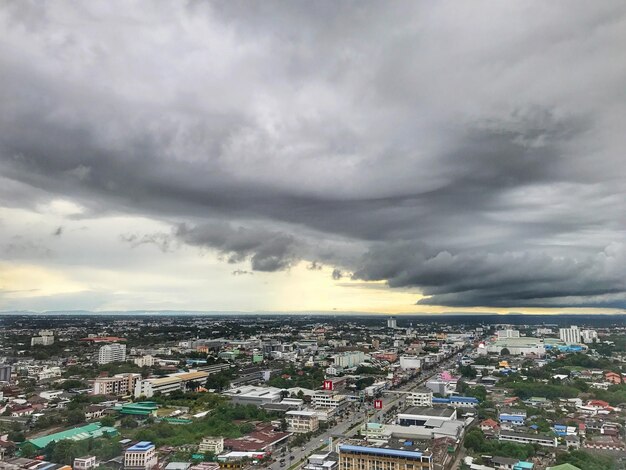
Tornadoes in Atlanta: How Real Is the Risk and What Should You Know?
If you live in Atlanta, visit often, or are thinking about moving here, it’s natural to ask: “Are there tornadoes in Atlanta?” The short answer is yes, tornadoes can and do occur in Atlanta, including within the city limits. However, the risk is manageable if you understand the local weather patterns and know how to prepare.
This guide explains how tornadoes affect Atlanta, Georgia specifically—including when they’re most likely, how they’re typically experienced in the city, and what you can do to stay safe.
Does Atlanta Get Tornadoes?
Atlanta is located in the Southeastern U.S., a region that sees a moderate to high tornado risk, especially during certain times of the year. While Atlanta is not in the classic “Tornado Alley” of the Plains states, north and central Georgia do experience tornadoes every year, and some have moved directly through the Atlanta metro area, including Downtown and Midtown.
Key points for Atlanta residents and visitors:
- Yes, tornadoes do occur in Atlanta and surrounding metro counties.
- Many are weaker, short-lived tornadoes, but stronger ones are possible.
- Severe thunderstorms with damaging winds and large hail are more common than direct tornado hits, but they come from the same types of storm systems.
For day-to-day life, most Atlantans don’t experience tornado damage personally, but tornado warnings, sirens, and severe weather days are a normal part of living here.
When Is Tornado Season in Atlanta?
Tornadoes can technically happen any month of the year in Atlanta, but there are clear seasonal patterns.
Main Tornado Seasons
Atlanta typically sees the highest risk during:
- Spring (March–May) – The primary tornado season, when warm, humid Gulf air clashes with cooler, drier air.
- Late Fall (November) – A secondary peak, especially when strong cold fronts move through.
Tornadoes are less common but still possible in:
- Summer – More frequent thunderstorms, but many produce heavy rain, lightning, and wind rather than tornadoes.
- Winter – Tornadoes can occur during strong storm systems, especially on warmer-than-normal days.
A practical way to think about it if you live in Atlanta:
How Common Are Tornadoes in the Atlanta Metro Area?
Across the greater Atlanta metro (Fulton, DeKalb, Cobb, Gwinnett, Clayton, and nearby counties), tornado events are not rare, but direct hits on a specific neighborhood are still relatively uncommon.
Common patterns in and around Atlanta:
- Many tornadoes in the region are rated on the lower end of the Enhanced Fujita (EF) scale (EF0–EF1), causing:
- Tree and limb damage
- Roof shingle loss
- Power outages
- Stronger tornadoes (EF2 and above) are less frequent but do occur in the wider metro area and across north and central Georgia.
- Severe thunderstorms with straight-line winds sometimes cause damage that looks like tornado damage (downed trees, power lines) even if no tornado touched down.
If you’re inside I-285 (the Perimeter), it’s important to understand:
Does Atlanta’s Skyline or Terrain Protect It from Tornadoes?
A common local myth is that “tornadoes don’t hit big cities” or that Atlanta’s buildings or hills protect the city. This is not accurate.
- Tornadoes can pass directly through urban areas, and this has happened in Atlanta’s central city before.
- The metro’s rolling hills and trees may influence where damage is noticed, but they don’t stop tornado formation.
- Atlanta’s location in the Southeast, with access to warm, moist air from the Gulf of Mexico, actually supports the type of storms that can produce tornadoes.
So, whether you’re in Buckhead, Midtown, Downtown, East Atlanta, College Park, or Sandy Springs, it’s important to treat tornado watches and warnings seriously.
What Does a Tornado Watch or Warning Mean in Atlanta?
If you spend time in Atlanta—living, working, or visiting—knowing the difference between a tornado watch and a tornado warning is essential.
Tornado Terms You’ll Hear Locally
| Term | What It Means for You in Atlanta | What To Do |
|---|---|---|
| Tornado Watch | Conditions are favorable for tornadoes in or near the Atlanta area. | Stay aware, follow local weather, be ready to take shelter. |
| Tornado Warning | A tornado has been spotted or indicated by radar near your location. | Take shelter immediately in a safe interior space. |
| Severe Thunderstorm Warning | Storm may bring damaging winds, hail, heavy rain; may occasionally spin up tornadoes. | Stay inside, stay away from windows, monitor for upgrades. |
In Atlanta, watches and warnings are commonly delivered through:
- Wireless Emergency Alerts on smartphones (loud tone and text)
- Weather radio alerts
- Local TV and radio stations
- Outdoor warning sirens in some parts of the metro area (these are primarily for people outdoors, not indoors)
How to Stay Informed About Tornadoes in Atlanta
Whether you’re a longtime Atlantan or just visiting, you should have at least one reliable way to receive alerts, especially on days with storms in the forecast.
Local Sources and Alerts
National Weather Service – Peachtree City Office
This office issues tornado watches and warnings for the Atlanta area.
Address: 4 Falcon Drive, Peachtree City, GA 30269
General phone: (770) 486-1133 (for recorded info and office contact, not emergencies)City of Atlanta / Fulton County Emergency Management
These agencies coordinate local emergency preparedness and response, including tornado preparedness campaigns.CodeRED / Local Alert Systems
Some metro counties use opt-in text, phone, or email alert systems for severe weather and emergencies. Residents can typically sign up through their county emergency management or public safety website.NOAA Weather Radio
A dedicated weather radio programmed for Atlanta and surrounding counties can provide 24/7 alerts, even if cell service is weak.
For visitors staying in downtown hotels or short-term rentals:
- Ask the front desk or property host what their procedures are for severe weather.
- Identify the lowest, interior area in the building (such as an interior hallway away from glass).
What To Do If There’s a Tornado Warning in Atlanta
In a tornado warning, you may have only a few minutes to act. It’s helpful to decide in advance where you’ll go at home, at work, or in a hotel.
If You’re at Home (House or Townhome)
If you live in an Atlanta neighborhood like West End, Kirkwood, Cascade, or Brookhaven, and a tornado warning is issued:
- Go to the lowest level available (basement if you have one; otherwise, the first floor).
- Choose a small, interior room with no windows, such as:
- Interior hallway
- Bathroom
- Closet
- Put as many walls as possible between you and the outside.
- If possible, protect your head and neck with:
- A mattress
- Heavy blankets
- A helmet
If You’re in an Apartment or Condo
In mid-rise or high-rise buildings in areas like Midtown, Downtown, Buckhead, or Sandy Springs:
- Go to a lower floor if you can safely do so.
- Move to an interior hallway or stairwell away from glass.
- Avoid large atriums or rooms with big windows.
- Do not use elevators if power is unstable or flickering.
If You’re in a Car in Metro Atlanta
Because of the I-285 loop, interstate connectors (I-20, I-75, I-85, GA 400), and frequent congestion, you might be driving when a warning hits:
- If a safe, sturdy building is close by (such as a large retail store or office), go inside and move to an interior area.
- Avoid sheltering under highway overpasses, which can be dangerous in high wind.
- If no building is available and the tornado is very near:
- As a last resort, park, keep your seatbelt on, and try to get low below window level, or
- If safe to do so, lie flat in a low-lying area away from trees and vehicles.
Plan ahead by identifying potential sturdy buildings along your usual routes (e.g., shopping centers, office parks) where you could take shelter if needed.
Typical Tornado Impacts in Atlanta
When tornadoes or severe storms affect the Atlanta area, residents commonly see:
- Downed trees and limbs across streets and yards
- Power outages, sometimes lasting hours or more in badly hit areas
- Traffic disruptions on major roads and interstates
- Damage to roofs, windows, and siding, mainly in the direct path
- Debris in parks and along the BeltLine and neighborhood green spaces
Because Atlanta is heavily wooded, even a weaker tornado or strong straight-line winds can topple trees onto:
- Homes
- Cars
- Power lines
Many Atlantans keep basic supplies on hand—such as flashlights, batteries, a portable phone charger, and bottled water—to be more comfortable during short power outages after severe weather.
How Visitors to Atlanta Should Think About Tornado Risk
If you’re visiting Atlanta for a conference, game, concert, or vacation, you don’t need to be anxious, but it’s wise to be weather-aware:
- Check the local forecast each day, especially in spring and fall.
- Ask your hotel, convention center, or event venue what their shelter areas are in case of severe weather.
- Keep your phone charged and alerts enabled while you’re here.
- If a tornado warning occurs, follow instructions from staff and move quickly to designated shelter areas.
Most trips to Atlanta pass without any tornado-related issues, but understanding the basics will help you respond calmly if severe weather does occur.
Practical Preparedness Tips for Atlanta Residents
Living in Atlanta, it’s helpful to build a small, tornado-ready habit set:
At home:
- Designate a safe interior room and make sure everyone in your household knows where it is.
- Keep a flashlight, battery-powered or hand-crank radio, and basic first-aid supplies in that area.
- Store copies or digital backups of important documents in a safe, accessible place.
On your phone:
- Leave Emergency Alerts turned on.
- Save contact numbers for your power company:
- In the City of Atlanta and much of the metro, this is often Georgia Power (customer service and outage reporting numbers are available on monthly bills and official communications).
- Consider having at least one local news or weather app that sends push alerts.
In your routine:
- On days when forecasters highlight “severe weather potential”, keep an eye on conditions, especially during late afternoon and evening when many storms move through the metro.
Where to Get More Local Help and Information
If you want to learn more about tornado and severe weather preparedness in Atlanta, useful starting points include:
Atlanta-Fulton County Emergency Management Agency (AFCEMA)
Coordinates emergency planning and public information for the City of Atlanta and Fulton County.DeKalb, Cobb, Gwinnett, and Clayton County Emergency Management Offices
Offer county-specific guidance, sign-ups for alert systems, and community preparedness resources.National Weather Service – Peachtree City Office
4 Falcon Drive
Peachtree City, GA 30269
Phone: (770) 486-1133
These agencies provide official, locally relevant guidance that reflects the specific risks and weather patterns of the Atlanta region.
In summary: Yes, there are tornadoes in Atlanta, and they are a real but manageable part of the city’s weather. By understanding when they’re most likely, recognizing watches and warnings, and knowing where you would take shelter at home, at work, or while visiting, you can navigate Atlanta’s tornado risk with confidence and practical preparedness.