
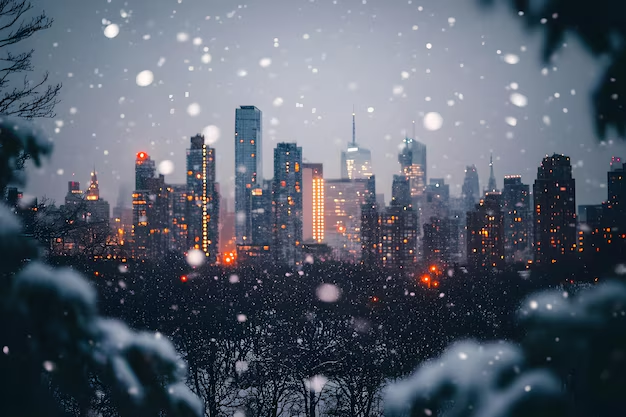
Does It Ever Snow in Atlanta? What Locals and Visitors Should Know ❄️
If you live in Atlanta, plan to move here, or are visiting in winter, you might wonder: can it snow in Atlanta?
The short answer is yes, it can snow in Atlanta — but it doesn’t happen often, and it usually doesn’t last long.
Below is a clear, Atlanta-focused guide to how snow works here, what to expect in different parts of the metro area, and how to prepare when winter weather does show up.
How Often Does It Snow in Atlanta?
Atlanta has a humid subtropical climate, which means:
- Winters are usually mild, with many days in the 40s and 50s (°F).
- Snow is infrequent, and many winters bring only a dusting — or none at all.
- When snow does fall, it’s often light, and may quickly change to sleet or cold rain.
Most years, if Atlanta sees snow, it’s typically:
- Under an inch for the city itself
- Concentrated in one or two minor events
- Gone from main roads and sunny spots within a day or two, especially in the urban core
That said, some winters are an exception, bringing heavier snow or icy conditions that can disrupt roads, schools, and flights.
When Is It Most Likely to Snow in Atlanta?
Snow in Atlanta is most likely between January and early March, with a few key patterns:
- December: Occasionally brings light flurries, but major accumulations are rare.
- January: Peak time for measurable snow and ice, especially during strong cold snaps.
- February: Still a risk for winter storms, including freezing rain.
- Early March: Flurries or brief snow showers can still happen, but sustained cold is less common.
If you’re visiting Atlanta and want to avoid winter weather, late March through November is typically snow-free.
Where in Metro Atlanta Is Snow More (or Less) Likely?
Elevation and urban development influence how snow behaves in and around the city.
Inside the City of Atlanta
Areas like:
- Downtown (around Peachtree Center and Five Points)
- Midtown (around Piedmont Park and Georgia Tech)
- Buckhead
- West Midtown and the BeltLine neighborhoods
often see slushy, short-lived snow. Tall buildings, traffic, and pavement create a mild urban heat island effect, which can:
- Turn potential snow into rain or a wintry mix
- Make snow melt faster once it hits the ground
Northern and Higher-Elevation Suburbs
Places like:
- Sandy Springs, Dunwoody, Roswell, Alpharetta
- Marietta, Kennesaw
- Lawrenceville, Suwanee, Cumming
typically sit at slightly higher elevations and can see:
- A bit more accumulation than the city center
- Snow that sticks longer on grassy areas and neighborhood roads
If a storm is borderline for Atlanta, you may see rain downtown but snowy lawns and slick backroads in the northern suburbs.
Southern and Eastern Suburbs
Areas such as:
- College Park, East Point, Union City, Henry County communities
- Decatur, Stone Mountain, Lithonia
often experience similar or slightly warmer conditions than the north metro. They can still get snow, but:
- Icing from freezing rain is sometimes more of a concern than deep snow.
- Roads can still become hazardous even with minimal accumulation.
What Type of Winter Weather Does Atlanta Usually Get?
When cold, moist air reaches north Georgia, the result in Atlanta is often mixed winter precipitation, not just snow.
Common winter weather scenarios include:
- Flurries: Light snow that rarely sticks; often just a brief novelty.
- Snow showers: Short bursts that may lightly coat surfaces, especially bridges and overpasses.
- Wintry mix: A combination of snow, sleet, and freezing rain — this is what often causes most travel issues.
- Freezing rain/ice: Rain that freezes on contact with cold surfaces, leading to black ice and power line issues.
For locals, the words “wintry mix” and “ice” in a forecast tend to cause more concern than “light snow,” because Atlanta’s infrastructure is more stressed by ice than by a small amount of dry snow.
How Snow and Ice Affect Daily Life in Atlanta
Even a small winter event can have an outsized impact, partly because winter storms are relatively rare here.
Roads and Commuting
When snow or ice is in the forecast:
- Bridges, overpasses, and elevated ramps (like those around the I-75/I-85 Downtown Connector and the I-285 interchanges) often freeze first.
- Traffic can become slow or gridlocked, especially during rush hour.
- Minor hills in neighborhoods can become difficult to drive on if they ice over.
City and state crews do treat major roads, especially:
- Downtown Connector (I-75/85)
- I-20, I-75, I-85, and I-285
- Major surface streets like Peachtree Street, Ponce de Leon Avenue, Northside Drive
But Atlanta does not maintain the same level of snowplow and salt equipment as cities that see regular heavy snow, so:
- Neighborhood streets may remain slick longer.
- It’s common for schools and some offices to delay opening or close for the day.
Flights and Transit
At Hartsfield-Jackson Atlanta International Airport, light snow or flurries may only cause minor delays, but heavier snow or ice can lead to:
- Flight delays and cancellations
- Longer lines at security and rebooking counters
- Occasional ground stops during active icing or runway treatment
MARTA rail and bus services may adjust schedules or experience delays, especially if overhead lines or roads are affected by ice.
What Locals Typically Do When Snow Is Forecast
When forecasters begin calling for possible snow or ice in Atlanta, many residents:
- Stock up on groceries and basic supplies a day or two in advance
- Refill medications and make sure they have essentials at home
- Adjust work plans, arranging remote work if possible
- Refuel vehicles, especially if they rely on a car for commuting
- Follow local TV, radio, or official weather updates closely
If you’re visiting, it’s smart to:
- Build a little flexibility into your schedule
- Check your airline app and confirm hotel booking dates
- Allow extra time to get to and from the airport
Typical Atlanta Winter: What You’re Likely to Experience
Even though snow can happen, the average Atlanta winter usually includes more of the following:
- Cool, rainy days in the 40s–50s °F
- Chilly mornings and mild afternoons
- A handful of hard-freeze nights
- Maybe one or two days with flurries or light accumulation
So if you’re moving from a colder climate, Atlanta winters will probably feel milder and shorter, while still having the occasional “real winter” day with frosty windshields and a chance of snow.
Snow in Atlanta: Quick Reference Guide
Here’s a simple overview of what to expect:
| Topic | What to Expect in Atlanta |
|---|---|
| Can it snow in Atlanta? | Yes, but not every winter, and usually in small amounts. |
| Typical snow season | January–February, occasionally late December or early March. |
| Usual accumulation | Often less than an inch in the city; some winters see no measurable snow. |
| Biggest issue | Ice and wintry mix on roads and bridges, not deep snow. |
| Likely duration on ground | Snow in the city often melts within hours to a day or two, depending on conditions. |
| More prone areas | North and higher-elevation suburbs may see slightly more and longer-lasting snow. |
| Impact on daily life | Possible school/work closures, traffic delays, and flight disruptions. |
How to Check and Respond to Winter Weather in Atlanta
If you live in or are visiting Atlanta and winter weather is mentioned:
1. Monitor Local Weather Sources
You can get Atlanta-specific forecasts and alerts from:
- National Weather Service – Atlanta Forecast Office
- Office location: Often associated with the Peachtree City office that covers the metro area
- City of Atlanta and Fulton County emergency management announcements
- Local TV and radio stations focused on the Atlanta metro area
Look for key phrases like:
- “Winter Weather Advisory” – minor accumulations expected; travel could be tricky
- “Winter Storm Warning” – more significant snow/ice likely; impacts can be widespread
- “Ice Storm Warning” – heavy icing; power outages and dangerous roads possible
2. Adjust Travel and Work Plans
If snow or ice is expected:
- Avoid driving during the onset of freezing rain or sleet, when roads change quickly.
- If you must drive, favor major treated routes over backroads and steep neighborhood hills.
- Consider using public transit if it is operating and conditions are safe for you to reach a station or stop.
3. Prepare Your Home and Vehicle
Basic, practical steps include:
- Keeping a small supply of nonperishable food and water
- Having flashlights and batteries on hand in case of power interruptions
- Ensuring your phone is charged before a storm
- Keeping blankets, an ice scraper, and basic emergency items in your car 🚗
Visiting Atlanta During Winter: What to Pack
If your trip overlaps with the potential snow season (mainly January–February), consider bringing:
- A medium-weight coat or insulated jacket
- Layers (sweaters, long-sleeve shirts) you can adjust as the day warms up
- Water-resistant shoes or boots if snow or heavy rain is in the forecast
- A hat and gloves for early mornings and evenings
On many winter days, you may be comfortable walking around Midtown, the BeltLine, or Centennial Olympic Park with just a light jacket, but a cold snap can still bring wind chills near or below freezing.
So, Can It Snow in Atlanta?
Yes — it absolutely can snow in Atlanta, but not often, and rarely in large amounts. For most winters, you’re more likely to deal with chilly rain, a few frosty mornings, and maybe a brief dusting of snow or a light wintry mix.
For residents and visitors alike, the key is to:
- Pay attention to local weather forecasts, especially from January through February
- Be prepared for ice and travel disruptions, even if the snowfall totals sound small
- Remember that in Atlanta, even a little snow or ice can temporarily reshape your day
Understanding how winter really works here helps you stay safe, plan ahead, and still enjoy everything Atlanta has to offer — whether the sun is shining or a rare snowflake is falling.