
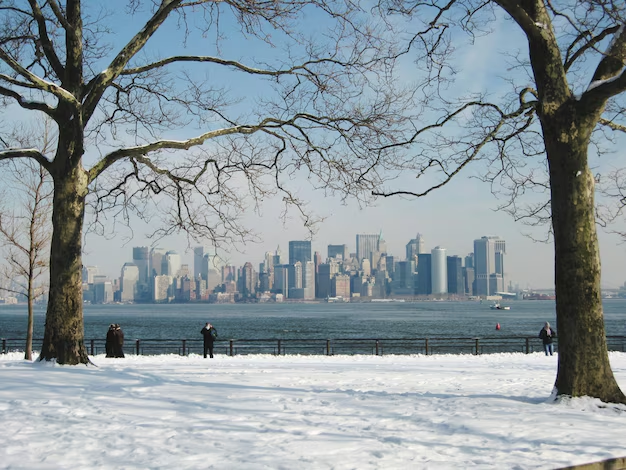
Does Atlanta Get Snow? What to Expect From Winter Weather in Atlanta, GA
If you’re wondering “Do Atlanta get snow?” the short answer is: yes, but not very often, and usually not very much. Atlanta, Georgia has a generally mild climate, but winter can still bring occasional snow, ice, and very cold snaps that locals and visitors should be prepared for.
This guide explains how often it snows in Atlanta, what winter usually looks like here, how the city handles snow and ice, and what you should know if you live in or are visiting Atlanta during the colder months.
Does It Actually Snow in Atlanta?
Atlanta does get snow, but:
- Snow is infrequent.
- When it does snow, it’s usually light and short-lived.
- Major snowstorms are uncommon but memorable, often causing travel and school disruptions.
Most winters bring at least a few flurries or a light dusting, especially in northern and higher-elevation parts of the metro area. However, many years pass with little to no measurable accumulation in the city itself.
Typical Winter Weather in Atlanta
Atlanta’s winters are generally mild compared to much of the U.S., but conditions can swing around.
Average Winter Conditions
- Temperatures:
- Daytime highs often range from the 40s to 50s°F (about 5–15°C).
- Overnight lows often fall into the 30s°F, with some nights in the 20s°F.
- Precipitation:
- Most winter precipitation in Atlanta is rain, not snow.
- Cold rain and chilly, damp days are more common than winter wonderland scenes.
- Snow and ice:
- Light snow, a rain–snow mix, or freezing rain may occur on a few days each winter, but not always every year.
How Often Does Atlanta See Snow?
While exact numbers vary from year to year, Atlanta residents typically experience:
- Flurries or light snow: Occasionally in December through February, sometimes into early March.
- Measurable snow (that sticks):
- Can be once every few years, sometimes more often in a streak of colder winters.
- Some winters may have no noticeable accumulation at all.
- Major snow or ice events:
- These are rare, but when they happen, they can create significant travel issues because Atlanta is not built for frequent winter storms.
Simple Overview: Atlanta Snow at a Glance
| Question | Typical Answer for Atlanta, GA |
|---|---|
| Does it snow in Atlanta? | Yes, but infrequently and usually lightly. |
| How many big snow days most winters? | Often none, sometimes 1–2 minor events. |
| When is snow most likely? | January–February, occasionally late December. |
| Does snow usually stick to roads long? | Often melts within a day, except in major events. |
| Is ice a concern? | Yes, freezing rain and black ice can be an issue. |
Snow vs. Ice: Why Atlanta Can Feel Worse Than It Looks
People new to Atlanta are sometimes surprised that even a small amount of winter precipitation can cause big disruptions.
Why Winter Weather Is Tricky Here
- Marginal temperatures:
A lot of events happen right around 32°F (0°C). That means conditions may shift quickly between rain, sleet, freezing rain, and snow, sometimes within the same storm. - Ice, not deep snow, is the bigger problem:
Freezing rain can coat roads, bridges, and overpasses with a thin layer of ice, causing very slick conditions. - Limited snow equipment:
Compared to cities up north, Atlanta has fewer snowplows, salt spreaders, and winter-ready road crews, because winter storms aren’t frequent enough to justify a massive fleet. - Hilly terrain and many overpasses:
The metro’s hills, curves, and elevated roadways can become especially hazardous when icy.
When Does Atlanta Usually Get Snow?
Snow in Atlanta is most likely between late December and early March, with the peak chances in January and February.
Month-by-Month Look
- December:
Mostly cold rain, but occasionally a few flurries or a light dusting, especially late in the month. - January:
One of the coldest months; if Atlanta gets meaningful snow, January is a prime candidate. - February:
Still quite capable of producing snow or ice events. - Early March:
Snow is less common, but late-season flurries do happen in some years.
If you’re visiting Atlanta in January or February, it’s smart to monitor local forecasts and build in some flexibility for travel plans in case of winter weather.
What Happens in Atlanta When It Snows?
Even a small snow or ice event can have a noticeable impact on daily life in and around the city.
Roads and Traffic
- I-285, I-75, I-85, I-20, GA-400, and major surface roads can quickly become congested.
- Black ice on bridges and overpasses can cause accidents.
- Local authorities may pre-treat some highways and major routes if winter weather is expected, but not every road will be treated.
The Georgia Department of Transportation (GDOT) usually coordinates major road treatment and clearing:
- Georgia Department of Transportation (GDOT)
General Info: 404-631-1990
Headquarters: 600 W. Peachtree St. NW, Atlanta, GA 30308
For updates, Atlanta residents often monitor local TV and radio stations that focus on traffic and weather conditions during winter events.
Schools, Businesses, and Events
- Atlanta Public Schools (APS) and surrounding districts may delay or cancel classes in the event of snow or ice.
- Many businesses will adjust hours or allow remote work when roads are unsafe.
- Large events may be postponed, especially if the storm affects parking lots or access roads.
If you’re visiting and have tickets to a show, game, or conference, it’s wise to check directly with the venue if winter weather is in the forecast.
How Atlanta Prepares for Snow and Ice
Because Atlanta doesn’t experience constant snow, winter preparation focuses more on planning and communication than heavy infrastructure.
City and County Preparation
Metro-area agencies may:
- Pre-treat major roads with brine or salt when winter weather is likely.
- Deploy limited fleets of plows and salt spreaders on primary arteries.
- Issue public advisories urging residents to avoid non-essential travel during the worst of a storm.
Key municipal resource for city residents:
- City of Atlanta – Department of Public Works
55 Trinity Ave SW, Suite 4700, Atlanta, GA 30303
Main line: 404-330-6240
They coordinate with other city departments on roadway and sidewalk safety during winter events.
What Residents and Visitors Should Do Before a Winter Storm
Because winter storms are occasional but disruptive, a little planning goes a long way.
Practical Tips for Atlanta Residents 🧊
- Keep a basic winter kit at home:
- Bottled water
- Non-perishable food
- Flashlights and batteries
- Blankets and warm clothing
- Prepare your vehicle:
- Keep your gas tank at least half full in winter.
- Store an ice scraper, small shovel, and blanket in the car.
- Avoid driving during peak freezing rain or snow if you can.
- Follow local forecasts:
- Pay attention when forecasters use terms like “wintry mix,” “black ice,” or “winter weather advisory.”
- Plan for school and work changes:
- Expect possible school delays or closures.
- Check if your employer allows remote work during hazardous weather.
Tips for Visitors to Atlanta
If you’re traveling to Atlanta in winter:
- Build flexibility into your itinerary, especially for flight days in January and February.
- Reserve accommodations in an area where you can walk or use short rideshares if driving becomes difficult.
- Check with your airline and hotel the day before and day of a potential winter event for any changes.
How Often Do Big Snowstorms Hit Atlanta?
Major winter storms—those that bring several inches of snow or significant ice—are rare but memorable here. Locals often recall:
- Past events where a few inches of snow and ice led to gridlocked traffic and widespread delays.
- Occasional multi-day disruptions especially when temperatures stay below freezing, preventing melting.
These events do not happen every winter, but if you live in Atlanta long enough, you’re likely to experience at least a couple of notable storms over the years.
Are Northern Suburbs of Atlanta More Likely to See Snow?
Yes. Areas north of the city and at slightly higher elevations often see:
- More frequent flurries
- Slightly better chances of light accumulation
- More icing on secondary roads
This includes areas like:
- Cobb County (Marietta, Kennesaw)
- Gwinnett County (Duluth, Lawrenceville)
- Cherokee County (Woodstock, Canton)
- North Fulton (Roswell, Alpharetta, Johns Creek)
If you’re traveling from central Atlanta into these suburbs during a winter event, expect that conditions may be a bit worse as you head north.
Staying Informed About Winter Weather in Atlanta
To stay ahead of snow and ice in Atlanta:
- Use a reliable weather app or local TV station for hourly updates.
- Pay attention to winter storm watches, warnings, and advisories for Fulton County and surrounding counties.
- Listen for travel advisories from:
- Georgia Department of Transportation (GDOT) – for road conditions on interstates and state routes.
- Local police and county emergency management agencies – for specific closures or hazards.
Atlanta-Fulton County residents can also check with:
- Fulton County Emergency Services
141 Pryor St SW, Atlanta, GA 30303
General Info: 404-612-4000
They coordinate broader preparedness and emergency communication for the county, including winter storms.
In summary, yes, Atlanta does get snow, but it’s infrequent, usually light, and often short-lived. The bigger concern for residents and visitors is often ice and travel disruption rather than deep snow. If you’re in Atlanta during winter, keep an eye on the forecast, stay flexible with plans, and be ready for the occasional chilly surprise from a city better known for its heat than its snowfall.