
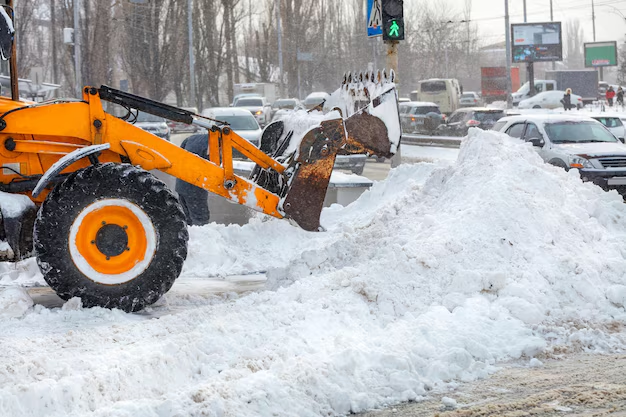
Snow Plows in Atlanta: What the City Really Has and How It Uses Them
If you live in or are visiting Atlanta, Georgia, you might wonder: Does Atlanta have snow plows? The short answer is yes—but Atlanta’s snow and ice response system is built for occasional winter storms, not the kind of constant snow many northern cities see.
This guide explains what equipment Atlanta actually has, how it’s used, and what you should realistically expect when winter weather hits the city.
Does Atlanta Have Snow Plows?
Yes. Atlanta does have snow plows and other winter-weather equipment, but not in the same numbers or scale as cities where snow is a routine part of winter.
Snow and ice operations in and around Atlanta typically involve:
- Snow plows
- Salt spreaders and brine trucks
- Sand/gravel spreaders (for traction on icy roads)
- Specialized winter response crews on call for storms
Because major snow events are rare in metro Atlanta, the city and surrounding agencies focus on key roads and trouble spots, not every neighborhood street.
Who Handles Snow Plowing in Atlanta?
Several government agencies share responsibility for snow and ice clearing in Atlanta:
City of Atlanta Department of Transportation (ATLDOT)
The City of Atlanta Department of Transportation (ATLDOT) manages:
- City-owned streets within Atlanta’s limits
- Priority routes near hospitals, fire stations, police stations, and major intersections
- Key city corridors used by transit and emergency vehicles
Typical services include:
- Plowing and salting primary city streets
- Pre-treating roads with brine ahead of a forecast winter storm
- Clearing bridges, hills, and known icy spots first
For general information or to report an issue with a city street, residents often start with the City of Atlanta 311 system (phone: 3-1-1 inside city limits).
Georgia Department of Transportation (GDOT)
The Georgia Department of Transportation (GDOT) is responsible for:
- Interstates running through and around Atlanta (such as I-20, I-75, I-85, and I-285)
- State routes and major highways in the metro area
GDOT maintains its own fleet of:
- Snow plows
- Salt and brine trucks
- Ice response crews
These teams focus on keeping highways and interstates open and safer during winter weather, especially on bridges and elevated roadways that tend to freeze first.
Surrounding Counties and Cities
If you’re in the Atlanta metro area but outside city limits, local public works or transportation departments often handle snow and ice treatment on:
- County roads
- Local city streets
- Residential routes, where resources allow
Each county (like Fulton, DeKalb, Cobb, Gwinnett, Clayton) manages its own response, which may include smaller fleets of snow plows and spreaders.
How Many Snow Plows Does Atlanta Actually Have?
Atlanta does not operate at the same scale as cities in the Northeast or Midwest. The number of plows and trucks is limited and focused on high-priority routes.
While the exact fleet size can change over time as equipment is added or replaced, Atlanta’s approach typically involves:
- A modest number of plow-equipped trucks for city streets
- A larger, region-wide fleet managed by GDOT for interstates and major routes
- Strategic use of brine and salt to reduce the need for heavy plowing
Because ice is more common than deep snow in Atlanta, the focus is often on pre-treatment and de-icing, not long-duration snow clearing.
What Roads Get Plowed First in Atlanta?
When snow or ice hits, Atlanta follows a priority system rather than trying to clear every road right away.
Typical Priority Order
Interstates and major highways
- I-20, I-75, I-85, I-285, and key state routes
- Handled largely by GDOT
Primary city streets and key corridors
- Major roads used for commuting and transit
- Routes leading to hospitals, emergency services, and key city facilities
- Handled by ATLDOT within city limits
Bridges, overpasses, and steep hills
- These freeze faster and are high-risk for accidents
- Often treated with salt, brine, or sand/gravel
Secondary streets and some neighborhood connectors
- Cleared after primary roads, and only if conditions and resources allow
Residential side streets and cul-de-sacs
- These are typically last priority and sometimes do not get plowed at all, especially for short or moderate events
Atlanta’s Approach: Snow vs. Ice
Atlanta’s winter weather challenges are often more about ice than deep snow.
Common Conditions the City Prepares For
- Light snow that melts and refreezes overnight
- Freezing rain that coats roads, trees, and power lines
- Black ice on bridges and overpasses
Because of this, Atlanta’s snow and ice strategy focuses on:
- Brine pre-treatment before a storm, when possible
- Salt and sand for traction and melting
- Plows to push away slush or accumulating snow on major routes
Plows are part of the toolkit, but chemical treatment and traction materials often play an even bigger role in keeping roads passable.
What To Expect During a Winter Storm in Atlanta
If you’re in Atlanta during a rare winter storm, here’s what you can realistically expect:
Road Conditions
- Major highways and interstates are usually treated and cleared first, but can still be slick, especially early in a storm.
- City arterial roads may be partially cleared, with plows and salt trucks rotating through priority routes.
- Side streets and residential areas may stay slushy or icy for longer, particularly in shaded or hilly neighborhoods.
Travel Impact
- Traffic can become congested and slow, even with plows working, because many drivers are not used to driving in snow or ice.
- Public agencies may discourage unnecessary travel during certain conditions.
- Public transit may operate on reduced or modified schedules, especially if roads or rail lines are affected.
Key Agencies and How to Report Problems
If you encounter unsafe conditions during a winter weather event in Atlanta, here are the main public options for reporting and information:
City of Atlanta
- City of Atlanta 311 (ATL311)
- Use for reporting icy city streets, downed trees blocking roads, and other non-emergency problems within city limits.
- Phone (inside city limits): 3-1-1
- Phone (outside city limits): 404-546-0311
Georgia Department of Transportation (GDOT)
- For issues on interstates and state highways (like severe icing on I-75 or I-85), residents commonly contact:
- GDOT’s general information line (often listed on 511 traveler information resources)
- Georgia’s 511 traffic service (phone: 5-1-1 in-state) for updates and reported incidents
Emergencies
- For accidents, blocked emergency routes, or immediate dangers, call 911.
How Atlanta Prepares Ahead of a Storm
Even though snow is rare, Atlanta agencies typically take several steps whenever winter weather is in the forecast:
1. Pre-Treating Roads
You may see trucks spraying liquid brine (a saltwater solution) on:
- Major roads
- Intersections
- Bridges and overpasses
This helps slow ice formation and makes plowing and de-icing more effective later.
2. Staging Equipment
Snow plows, sand spreaders, and salt trucks are often staged at key locations around the city and along highways so they can respond quickly once precipitation starts.
3. Coordinating with Public Safety
Agencies typically coordinate with:
- Police and fire departments
- Emergency medical services
- Hospitals and critical infrastructure
to be sure priority routes are identified and addressed first.
Tips for Residents and Visitors During Snow or Ice in Atlanta
Because Atlanta’s winter storms can quickly disrupt daily life, it helps to know how to adjust your plans, even with plows and treatment crews working.
Practical Steps You Can Take
Limit driving when conditions are poor, especially if you’re unfamiliar with icy roads.
If you must drive:
- 🛣️ Stick to major roads and highways, which are more likely to be plowed or treated.
- 🚗 Drive slowly and leave extra space between vehicles.
- Avoid sudden braking or sharp turns on hills and bridges.
Plan for delays
- Check local traffic and transit updates before leaving.
- Allow extra time for commutes or appointments.
Watch your neighborhood conditions
- Know that your street may not be plowed, especially if it’s a small residential road.
- Take care on sidewalks, driveways, and stairs, which can freeze and remain icy even when main roads improve.
Quick Reference: How Atlanta Handles Snow and Ice
| Question | Atlanta’s Typical Situation |
|---|---|
| Does Atlanta have snow plows? | Yes. The city and GDOT have snow plows and de-icing trucks, but in limited numbers. |
| Who clears interstates around Atlanta? | Georgia Department of Transportation (GDOT) |
| Who clears city streets within Atlanta? | City of Atlanta Department of Transportation (ATLDOT) |
| Are all streets plowed? | No. Priority is given to interstates, major roads, bridges, and emergency routes. |
| Is ice or snow more common? | Ice and light snow are more common than heavy, long-lasting snow. |
| Will my neighborhood street be plowed? | Not guaranteed. Many side streets may stay slushy or icy until conditions improve. |
| How do I report an icy city street in Atlanta? | Contact ATL311 (dial 3-1-1 inside city limits, 404-546-0311 from outside). |
In summary, Atlanta does have snow plows, but the city’s winter operations are designed for occasional, short-lived storms, not weeks of heavy snow. If you live in or visit Atlanta during a winter weather event, expect main roads and highways to receive the most attention, while local side streets may remain challenging until temperatures rise.