
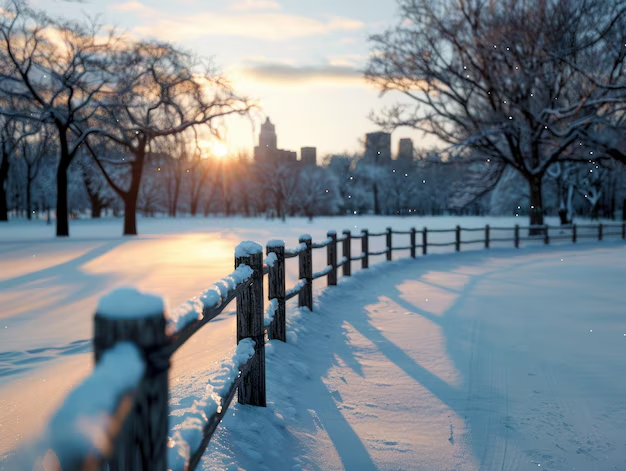
How Cold Does It Really Get in Atlanta? A Local’s Guide to Winter Weather
If you’re new to the city—or planning a trip—you might wonder: does it actually get cold in Atlanta? The short answer: yes, Atlanta does get cold, especially in winter, but it’s usually not the kind of deep-freeze you’d find in the Midwest or Northeast.
Atlanta’s winters are generally short, mild, and variable. You’ll see everything from crisp, sunny 50-degree afternoons to the occasional below-freezing night and a light snow event some years.
Below is a clear, Atlanta-focused breakdown of what to expect and how to prepare.
Atlanta’s Overall Winter Climate
Atlanta sits in the humid subtropical climate zone, which means:
- Hot, humid summers
- Mild to cool winters
- Quick weather swings, especially in fall and winter
From about late November through early March, you can expect:
- Typical daytime highs: often in the 40s–50s°F
- Typical nighttime lows: often in the 30s°F, with some nights dipping below freezing
- Occasional warm spells: winter days in the 60s or even low 70s°F are not unheard of
- Cold snaps: short periods where temperatures can fall into the 20s°F, especially overnight
So yes, it’s cold enough that you’ll want a real coat, but not usually so cold that you’re dealing with long-term snow cover or weeks of ice.
How Often Does It Freeze in Atlanta?
Atlanta does experience freezing temperatures (32°F or below) in winter, but usually overnight and early morning rather than all day long.
Common patterns:
- Many winter nights will flirt with freezing or dip just below it.
- Hard freezes (dropping into the 20s°F) happen, especially in January and February, but typically last a few hours overnight.
- By mid to late morning, temperatures often rebound above freezing on most days.
For daily life, that means:
- You’ll sometimes see frost on cars and lawns in the morning.
- Outdoor plants and pipes may need occasional freeze protection.
- Roads are usually fine, but bridge decks and overpasses can be slick on the coldest, wettest mornings.
Does It Snow in Atlanta?
Atlanta is not a snow-heavy city, but light snow or wintry mix is possible most winters.
What to realistically expect:
- Light snow flurries on some winter days, often melting quickly.
- Occasional dusting or a few inches of snow—some winters may see a light accumulation, others none at all.
- Ice events (freezing rain or sleet) can sometimes cause more disruption than snow, even if totals are small.
Because Atlanta isn’t built for frequent winter storms:
- Schools, businesses, and government offices may delay or close for ice and snow more readily than in colder regions.
- Steep roads and limited snow/ice equipment mean travel can quickly become difficult during even modest winter storms.
If you’re visiting and hear about an approaching winter system, it’s smart to:
- Top off your gas tank.
- Plan for flexible schedules.
- Check for updated road conditions with the Georgia Department of Transportation (GDOT) or local news.
Season-by-Season: When Is It Coldest in Atlanta?
Late Fall (November)
- Feel: Transition month.
- Typical weather: Cool mornings and evenings, mild afternoons.
- Clothing: Light to medium jacket; layers are handy.
Winter Peak (December–February)
- Coldest stretch of the year.
- Daytime highs often in the 40s–50s°F, with some days colder.
- Overnight lows frequently in the 30s°F, with freezing nights fairly common.
This is when you’ll want:
- A warm coat
- Hat and gloves on the coldest days
- A heavier sweater or fleece layer
Early Spring (March)
- Temperatures start to moderate, but cold snaps still happen.
- Some mornings may drop near freezing, especially early in the month.
- Days are often cool to mild, with increasing sunshine.
What “Cold” Feels Like in Atlanta
Atlanta’s winter cold is usually short-lived but damp, which can make it feel chilly even when the temperature doesn’t look extreme.
Factors that affect comfort:
- Humidity: Moist air can make a 40°F cloudy day feel colder than a dry 30°F day elsewhere.
- Wind: Open areas like near Mercedes-Benz Stadium, Atlantic Station, and parts of Midtown can feel brisk when the wind picks up.
- Shade: Downtown streets and older neighborhoods with large trees (like Virginia-Highland, Inman Park, and Grant Park) can feel noticeably cooler in the shade.
Locals often describe winter here as:
- “Mostly jacket weather”
- With a few stretches of “I’m glad I own a real coat”
What to Wear in Atlanta When It Gets Cold
If you live in or are visiting Atlanta between late November and early March, you’ll want to plan your wardrobe around layers and flexibility.
Everyday Winter Clothing
For most winter days:
- Medium-weight coat or insulated jacket
- Long-sleeve shirts or light sweaters
- Jeans or heavier pants
- Closed-toe shoes or boots (especially on rainy days)
On colder or windier days:
- Heavier coat or layered jacket + sweater
- Scarf, knit hat, and gloves
- Warm socks, especially for walking around outdoor locations like Piedmont Park or the Atlanta BeltLine
📌 Tip: Atlanta weather can change quickly. Many locals check the forecast each morning before deciding what to wear, rather than relying on the season alone.
How Cold Affects Daily Life in Atlanta
Commuting and Driving
Cold weather can affect roads and traffic:
- Black ice is a risk on bridges and overpasses, especially along I-285, I-75/85, GA-400, and elevated ramps.
- Early morning commuters may encounter frost or thin ice, especially after wet weather.
- When a winter storm is forecast, pre-treatment with brine and salt is common on major roads, but side streets may stay slick longer.
For real-time travel and winter road information, many residents look to:
- Georgia Department of Transportation (GDOT)
General Info: 404-631-1990
24/7 Travel Info Line: 511 (in Georgia)
Schools and City Operations
Snow and ice can lead to:
- School delays or closures for Atlanta Public Schools and surrounding districts.
- Adjusted public transit service if conditions are severe enough, particularly for MARTA buses on hilly routes.
You can check:
- Atlanta Public Schools for school schedule changes.
- MARTA Customer Service at 404-848-5000 for route and service updates in winter weather.
Indoor vs. Outdoor Activities in Cold Weather
Cold weather in Atlanta is usually not harsh enough to shut down everyday life, but it can influence how you plan your day.
Outdoor Time
You can often still enjoy:
- Walks in Piedmont Park or along the Eastside BeltLine Trail on sunny, cool days.
- Visits to outdoor attractions like Zoo Atlanta or Oakland Cemetery, as long as you dress warmly.
On colder, windy, or damp days, many people cut outdoor time shorter and lean toward indoor options.
Indoor Attractions for Chilly Days
When it’s too cold or wet to comfortably be outside, locals and visitors often head to:
- Georgia Aquarium (downtown)
- World of Coca-Cola
- Fernbank Museum of Natural History
- High Museum of Art in Midtown
- Indoor sections of Ponce City Market for food and shopping
These spots give you plenty to do without worrying much about the wind chill.
Protecting Your Home and Property When It Gets Cold
Even though Atlanta winters are relatively mild, sudden cold snaps can cause problems if you’re not prepared—especially for homes and yards.
Pipes and Homes
During freezing nights, many homeowners and renters:
- Drip indoor faucets to help prevent pipes from freezing.
- Open under-sink cabinet doors on exterior walls to allow warm air to circulate.
- Check that heater systems are serviced before winter really sets in.
If you experience a burst pipe or major freeze-related plumbing problem, you may need a licensed plumber. For general utility issues, Atlanta residents often work with:
- City of Atlanta Department of Watershed Management
Customer Service (Water/Sewer): 404-546-0311
Plants and Lawns
Cold-sensitive plants common in Atlanta landscapes may need:
- Covers or sheets on freezing nights
- Bringing potted plants indoors or into a garage
- Selecting more cold-tolerant landscaping if you want lower maintenance
Local garden centers and extension services in the Atlanta area can provide plant-specific cold protection guidance.
Staying Informed About Cold Weather in Atlanta
Because weather conditions can change quickly in North Georgia, staying updated is important, especially when cold and moisture combine.
Ways Atlanta residents keep track:
- Local TV and radio stations for real-time forecasts and school/road updates.
- Weather alerts on smartphones for freeze warnings, wind chill advisories, and winter storm warnings.
- City and county emergency management offices for broader safety guidance during major winter events.
For area-wide emergency information, Atlanta residents sometimes refer to:
- Fulton County Emergency Management Agency for preparedness guidance and major incident updates.
So, Does It Get Cold in Atlanta?
Yes, Atlanta does get cold, particularly from December through February. You’ll see:
- Regular cool to chilly days and freezing nights
- Occasional snow or ice, but not every winter
- Mostly short-lived cold snaps rather than long, bitter freezes
For everyday life, that means:
- You’ll need a proper winter coat and layers, but not heavy arctic gear.
- Travel may be impacted a few days each winter, especially with ice.
- Outdoor plans are often still possible with smart clothing choices and a close eye on the forecast.
If you’re living in or visiting Atlanta, being prepared for mild to moderately cold weather—with a few icy surprises some years—is usually enough to stay comfortable and safe.