
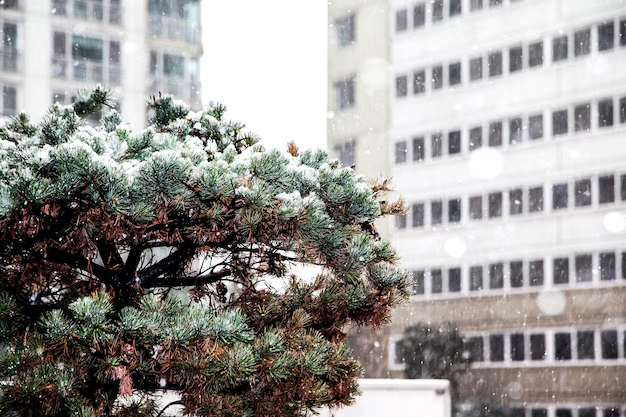
Does It Ever Snow in Atlanta? What Locals and Visitors Should Know
Yes, it has absolutely snowed in Atlanta—and it still does. While Atlanta is known for hot, humid summers and mild winters, snow is a semi-regular visitor, just not a frequent or heavy one.
If you live in Atlanta, you’ve probably seen at least a dusting. If you’re visiting, it’s possible (though not guaranteed) that you’ll catch flurries in the colder months.
This guide explains how often it snows in Atlanta, what those snow days are really like, and how the city typically handles winter weather.
How Often Does It Snow in Atlanta?
Atlanta’s winters are generally mild, but light snow happens some years, especially between late December and early March.
Typical patterns:
- Many winters: No measurable snow at all, or just a trace
- Some winters: One light snow event (often 0.5–2 inches)
- Occasionally: A more disruptive storm with several inches of snow and/or ice
Snowfall in Atlanta is highly variable. One year may bring nothing but cold rain. Another may bring a quick burst of snow that shuts down roads for a day or two.
If you’re planning around snow:
- Most likely outcome: Cold, rain, and gray days with no snow
- Less common but possible: A brief snow event that melts within a day
- Rare but memorable: Multi-inch snow and ice that affects the whole metro area
Memorable Snow Events in Atlanta
Atlanta doesn’t get snow often, so when it does, people remember it. Locals still talk about a few notable events:
Historic and Memorable Snowfalls
“Snow Jam” events (various years)
Several winter storms over the decades have created gridlock, often nicknamed “Snow Jam” by media and residents. These usually involve quick-hitting snow or ice that arrives during rush hour, leading to major traffic problems.2014 Winter Storm (often called “Snowmageddon” or “Snow Jam 2014”)
A relatively small amount of snow and ice caused widespread traffic standstills across metro Atlanta. Many people were stuck in their cars for hours, and some abandoned vehicles on interstates.
This event is often referenced when people ask whether Atlanta can handle snow—it highlighted how even a couple of inches can severely impact the city.Occasional heavier snows
Every decade or so, Atlanta may see a more substantial snow, enough for real accumulation on roads, roofs, and trees. These rare storms become shared reference points for longtime residents.
For residents and visitors, the key takeaway is that yes, Atlanta has had “real” snowstorms—just not frequently.
What Does a Typical Snow Day Look Like in Atlanta?
Most Atlanta snow events are short-lived and light. Here’s what you can realistically expect when it does snow:
Common Snow Characteristics
- Wet, slushy snow that may start as rain and then change to flakes
- Quick accumulation on grassy areas and elevated surfaces
- Roads staying wet at first, then freezing into slick patches overnight
- Melting within 24–48 hours once temperatures rise
Typical Impacts Around the City
When snow is in the forecast, especially with freezing temperatures:
- Schools and universities may close or switch to virtual learning
- Hartsfield-Jackson Atlanta International Airport may see delays or cancellations
- MARTA services may be modified, especially bus routes on hilly or less-traveled roads
- Local businesses and offices may open late, close early, or close for the day
In a city built for heat and humidity, even a small amount of winter weather can significantly slow down daily life.
Why Snow Causes So Many Problems in Atlanta
It’s not just the snow itself—it’s how Atlanta is built and how winter weather usually behaves here.
1. Limited Winter Road Equipment
Because snow and ice are relatively rare, Atlanta and surrounding areas do not maintain the same level of:
- Snowplows
- Salt spreaders
- Dedicated winter road crews
that are common in cities further north. Equipment and crews exist, but they are scaled to occasional events, not constant winter storms.
2. The Mix of Snow, Sleet, and Freezing Rain
Many “snow days” in Atlanta are actually:
- Cold rain that turns to freezing rain
- Sleet mixed with snow
- Wet snow that quickly re-freezes
This mix can create black ice, especially on:
- Bridges and overpasses
- Steep hills
- Less-traveled neighborhood roads
Even if only an inch or two falls, the ice component is what often makes driving dangerous.
3. Heavy Traffic and Long Commutes
Metro Atlanta is known for:
- Dense traffic
- Long-distance commuting
- Many people depending on interstates and major highways
When a winter system moves in during morning or afternoon rush hour, it only takes a few slick spots to cause widespread backups.
When Is It Most Likely to Snow in Atlanta?
If you are wondering when Atlanta actually has a chance at snow, the typical window is:
- Most likely months: January and February
- Possible but less common: Late December or early March
Within that window:
- Early mornings and late nights are most likely for snow and ice to stick
- Daytime temperatures often hover near or just above freezing, so snow may melt quickly
For residents and visitors, it’s smart to pay closer attention to local forecasts during this time of year.
How to Check for Snow and Winter Weather in Atlanta
If you live in or are visiting Atlanta during winter, it’s helpful to monitor:
Local TV stations and weather segments
Atlanta’s local news stations typically provide detailed, neighborhood-level forecasts and school/business closure updates.National Weather Service (NWS) – Atlanta office
The NWS has a local office serving the Atlanta area that issues:- Winter Weather Advisories
- Winter Storm Warnings
- Ice Storm Warnings
City and county updates
Atlanta residents can look for messages from:- City of Atlanta government
- Fulton County and nearby county governments (DeKalb, Cobb, Gwinnett, Clayton, etc.)
These updates may include road conditions, emergency shelter availability, and public facility closures.
How Atlanta Prepares for Snow and Ice
Because winter storms are infrequent but impactful, the City of Atlanta and surrounding counties generally focus on:
- Pre-treating major roads and bridges with brine or other treatments when ice is expected
- Prioritizing key routes, including:
- Interstates and major highways
- Routes near hospitals and emergency services
- Heavily used commuter corridors
Residents can expect:
- Certain sanitation or city services to be delayed during winter weather
- Parks and recreation facilities to close temporarily if conditions are hazardous
If you depend on public transit, keep an eye on MARTA service alerts during winter weather events, as bus routes especially can be affected by icy hills and neighborhood streets.
What Atlanta Residents Should Keep on Hand for Snow Days
Even though snow is rare, it’s useful for Atlanta households to be prepared for an occasional icy day or short-term disruption.
Basic items many residents choose to keep stocked:
- ❄️ Warm layers and blankets – especially helpful in homes with electric heat during power interruptions
- ❄️ Non-perishable food and bottled water – enough for at least a day or two
- ❄️ Flashlights and batteries – in case of brief power outages
- ❄️ Ice scraper or brush for car windshields
- ❄️ Sand, kitty litter, or traction material for icy steps or driveways
Because events are usually short-lived, most people don’t need extensive winter supplies—but a bit of planning makes sudden weather shifts easier to handle.
Tips for Visitors in Atlanta During Potential Snow
If you’re visiting Atlanta in the winter and hear that snow or ice is possible:
Check flight status early
Hartsfield-Jackson Atlanta International Airport is well-equipped, but winter weather anywhere in the region can cause delays and cancellations.Be flexible with driving plans
If you have a rental car:- Avoid driving during active freezing rain or snow if possible
- Stick to major roads and interstates rather than back roads during and after storms
- Allow extra time for any trip
Monitor local news and weather apps
They will quickly report:- Road closures
- Major accidents
- School, business, or attraction closures
Expect plans to shift
Entertainment venues, tourist sites, and restaurants may:- Delay opening
- Close early
- Close for the day during significant ice or snow
In many cases, waiting a day makes a big difference—sun and slightly warmer temperatures often clear roads quickly.
How Snow in Atlanta Compares to Northern Cities
For anyone moving from a colder climate, Atlanta snow may feel very different:
- Less frequent, less predictable – Some winters pass with no snow at all
- More mixing with ice – Freezing rain and sleet are common partners
- City infrastructure is not winter-optimized – Fewer plows, less salt use, and less experience driving in snow among the general population
Even if snow amounts are small by northern standards, the combination of ice, hills, and heavy traffic can make travel more complicated than the snowfall totals suggest.
Quick Reference: Snow in Atlanta at a Glance
| Question | Short Answer |
|---|---|
| Has it ever snowed in Atlanta? | Yes. Atlanta has had many snow events, including some memorable storms. |
| How often does it snow? | Some winters see light snow; others see none. Heavy snow is rare. |
| When is snow most likely? | January–February is the primary window, with some chance in late Dec/early Mar. |
| Does it usually stick? | Often it sticks briefly to grass and raised surfaces, then melts within a day. |
| What causes the biggest problems? | Ice, black ice, and timing during rush hour, not just snow totals. |
| Is the city prepared for frequent snow? | Prepared for occasional events, not constant winter storms. |
| Should residents prepare at home? | Yes, basic winter supplies and a flexible schedule help during icy days. |
In summary, yes, it has snowed in Atlanta, and it still does from time to time. Snow is usually light, often mixed with ice, and it doesn’t stick around long. But when it arrives at the wrong time—especially on busy roads—it can temporarily reshape daily life across the city.
For anyone living in or visiting Atlanta, simply keeping an eye on winter forecasts and building in a little flexibility is usually enough to handle the city’s occasional brush with snow.