
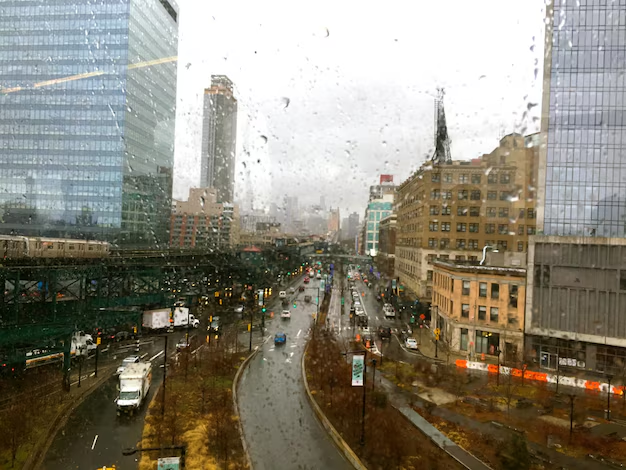
Atlanta After Helene: What Residents and Visitors Need To Know Now
When a major storm like Helene passes through the Southeast, people in and around Atlanta, Georgia naturally want to know: What is it like now? Is the city functioning normally? Is it safe to visit, commute, or get around?
Because conditions after a storm can change quickly, always check current local alerts before making decisions. The information below explains what Atlantans and visitors typically experience in the days and weeks after a tropical system like Helene, and how to navigate the city safely and efficiently.
Overall: How Is Atlanta After Helene?
Atlanta is inland, far from the Georgia coast, so tropical systems like Helene usually reach the city as heavy rain, gusty winds, and occasional severe thunderstorms, rather than a full-strength hurricane.
In the aftermath, Atlanta is often:
- Largely functional, with core services (hospitals, major roads, key utilities) operating or restored relatively quickly
- Dealing with pockets of damage, especially downed trees, localized flooding, and scattered power outages
- Focused on cleanup and infrastructure checks, especially in tree-lined neighborhoods and areas near creeks and low-lying intersections
For most residents and visitors, daily life often returns to a near-normal rhythm within a few days, though some neighborhoods or routes can be impacted longer.
Common Impacts in Atlanta After a Storm Like Helene
1. Roads, Traffic, and Commuting
After Helene, Atlanta drivers can expect:
- Downed trees and limbs on neighborhood streets, especially in older, tree-heavy areas like Virginia-Highland, Inman Park, Grant Park, and Druid Hills
- Temporary lane closures on major roads and interstates if there’s debris, flooding, or damaged traffic signals
- Slow or blocked routes near creeks and underpasses, such as:
- Parts of Peachtree Creek areas (e.g., near Howell Mill Rd, Peachtree Rd)
- Roads with low underpasses along I-75/I-85, I-20, and I-285
MARTA and regional buses may run with:
- Service delays or detours, especially if streets or rail segments need inspection
- Reduced frequency early after the storm while assessments are underway
If you rely on public transit, check for current service updates with MARTA before you leave.
Driving Tips After Helene
- ⚠️ Never drive through flooded roads—even shallow water can be dangerous or hide sinkholes and debris.
- Allow extra travel time and expect sudden lane closures.
- Treat blinking or dark traffic lights as four-way stops.
- Park away from large, stressed trees if winds have recently passed.
2. Power, Water, and Utilities
Power and utilities in Atlanta typically hold up reasonably well, but a storm like Helene can still cause:
- Scattered power outages, often concentrated in heavily wooded neighborhoods
- Internet and cable disruptions, especially where above-ground lines are affected
- Occasional water pressure issues or boil advisories if there were infrastructure impacts
Utility providers commonly prioritize:
- Hospitals, public safety facilities, and critical infrastructure
- Areas with large outage clusters
- Smaller pockets and individual homes
If your power is out:
- Report outages directly to your electric provider (e.g., Georgia Power or local EMC).
- Keep refrigerators closed as much as possible to preserve food.
- Use flashlights instead of candles when possible to reduce fire risk.
3. Flooding and Stormwater in Atlanta Neighborhoods
Even though Atlanta is not on the coast, heavy rain from Helene can create significant urban flooding in:
- Low-lying neighborhoods and areas near creeks and drainage channels
- Older stormwater systems that can be overwhelmed by intense rainfall
- Highway underpasses and poorly draining intersections
Areas near Peachtree Creek, Proctor Creek, Nancy Creek, and South River can see elevated water levels. Some trails or park paths near streams—like sections of the Atlanta BeltLine and adjacent greenways—may be muddy, temporarily closed, or unsafe to access.
If you live in a flood-prone area:
- Move valuables and important documents off the floor or to higher levels.
- Avoid walking through moving water; it can be stronger and deeper than it looks.
- Listen for local guidance on temporary closures or flood warnings.
4. Parks, Trees, and Outdoor Spaces
Atlanta’s tree canopy is both a strength and a vulnerability. After Helene:
- City parks (such as Piedmont Park, Grant Park, and Chastain Park) may have:
- Fallen limbs or trees
- Roped-off sections for safety
- Temporarily closed playgrounds or trails
- Tree-lined streets may have:
- Blocked sidewalks
- Dangling or unstable limbs overhead
If you’re out walking, running, or biking:
- Stick to cleared, obvious paths and obey closure signs.
- Avoid standing or parking under large, leaning, or damaged trees, especially in the first few days after the storm when soil is soft and roots may be weakened.
5. Air Travel and Transit In and Out of Atlanta
Hartsfield–Jackson Atlanta International Airport usually resumes operations relatively quickly after tropical systems pass, but:
- There may be residual delays and cancellations, especially affecting flights to and from coastal or more heavily impacted areas.
- Security lines can be longer as schedules are rebalanced.
If you’re traveling:
- Check your flight status before heading to the airport.
- Build in extra time to account for traffic, detours, or parking changes near the airport.
Regional bus and intercity rail services may also need time to resume normal schedules if routes south or east of Atlanta were badly affected.
Is It Safe To Visit Atlanta After Helene?
In most cases, yes, Atlanta remains safe to visit after a storm like Helene, with some practical precautions:
- Downtown, Midtown, and Buckhead business districts typically stay open or reopen quickly.
- Major attractions (e.g., Georgia Aquarium, World of Coca-Cola, College Football Hall of Fame, Mercedes-Benz Stadium) may:
- Close briefly during the storm
- Reopen once inspections and cleanup are complete
Call ahead or check their latest service information for:
- Updated hours of operation
- Any event rescheduling
- Temporary closures of outdoor or rooftop spaces
Visitors should:
- Stay aware of local weather updates in case of lingering storms or follow-up systems.
- Avoid damaged or closed park areas and be cautious in heavily wooded spots.
How Daily Life in Atlanta Typically Feels After Helene
For most Atlantans, the days after Helene feel like:
- A return to routine with some inconveniences—detours, cleanup, and occasional utility issues
- Ongoing yard, tree, and home repairs, especially in older neighborhoods
- More traffic delays than usual on certain corridors due to cleanup crews and lane closures
Schools and workplaces may:
- Close during the storm’s peak
- Reopen with delayed start times or special schedules as conditions improve
If you’re planning childcare, work commutes, or appointments, it’s smart to:
- Watch for school district updates
- Confirm appointment times with clinics, offices, or service providers
- Allow extra time if your route includes low-lying or tree-heavy areas
Key Local Resources and Who To Contact
When dealing with post-storm questions or issues in Atlanta, it helps to know whom to call.
Helpful Contacts for Atlanta Residents
| Need / Issue | Who Typically Handles It | How It Helps You |
|---|---|---|
| Downed trees blocking city streets | City of Atlanta Department of Public Works | Removal from public streets and rights-of-way |
| Trees on power lines / outages | Electric utility (e.g., Georgia Power) | Power restoration and line safety |
| Street flooding or blocked drains | City of Atlanta 311 / Public Works | Storm drain clearing, barricades, and flood response |
| Transit delays or detours | MARTA Customer Service | Updated rail and bus routes |
| Road conditions on interstates | Georgia Department of Transportation (GDOT) | Lane closure, detour, and traffic updates |
You can usually reach City of Atlanta services via the 311 information line (from within city limits) or through their main service centers. Electric utilities and MARTA post frequent service updates through their official customer service channels and announcements.
Practical Steps for Atlantans After Helene
Whether you live in Atlanta or you’re here visiting, a few simple actions can make life easier after a storm:
🔌 Check utilities and devices
- Make sure your phone is charged and you have backup power if possible.
- Report any gas smells or obvious utility damage to your provider or emergency services.
🛣️ Plan safer routes
- Avoid known flood-prone underpasses and creek-adjacent roads.
- Use main corridors (such as Peachtree St, Northside Dr, Ponce de Leon Ave, Moreland Ave) that are cleared sooner than small side streets.
🏡 Inspect your property safely
- Look for loose shingles, damaged gutters, or limbs on roofs from the ground.
- Keep children and pets away from downed lines, pooled water, and unstable trees.
🌳 Report hazards, don’t just step around them
- Downed trees blocking roads, exposed wires, or major erosion areas should be reported so crews can respond.
📅 Adjust plans for a few days
- Expect some rescheduling of outdoor events, sports, and festivals.
- If you have flexible timing, shift nonessential travel or errands away from the first full day after the storm.
What to Expect in the Weeks After Helene
Even after the immediate storm risk has passed, Atlanta may experience:
- Ongoing tree and debris removal in neighborhoods and parks
- Construction and utility crews working on sidewalks, medians, and road shoulders
- Periodic lane closures for repairs or inspections, especially on heavily used routes
You might also see:
- Adjustments to park access while damaged trees or paths are addressed
- Increased noise from chainsaws, chippers, and utility trucks in the mornings and daytime hours
For most people in the city, these are manageable disruptions rather than major crises, but they’re worth factoring into your routines and travel plans.
Atlanta after Helene is typically a city that’s open, functioning, and moving forward, but with some localized challenges—especially involving trees, flooding spots, and power interruptions. If you stay informed, give cleanup crews space to work, and use a bit of extra caution around damaged areas, you can live in or visit Atlanta safely and comfortably as the city recovers.