
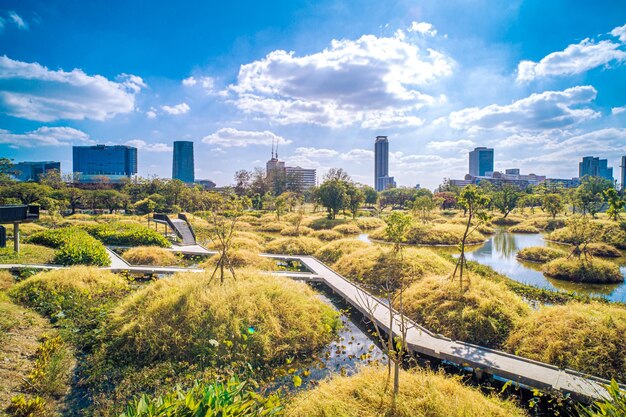
What to Expect From the Weather in Atlanta, Georgia
Atlanta’s weather is one of the first things people notice about the city. Summers are hot and humid, winters are generally mild, and the seasons in between can bring everything from blooming pollen to sudden thunderstorms. If you live in Atlanta, plan to move here, or are just visiting, understanding the local climate helps you pack, plan, and get around more comfortably.
Atlanta’s Climate at a Glance
Atlanta has a humid subtropical climate. That means:
- Hot, muggy summers with frequent afternoon storms
- Mild, short winters with only occasional cold snaps
- Long, pleasant spring and fall seasons
- Rain spread throughout the year, with no true “dry season”
Here’s a simplified look at typical temperature ranges by season in Atlanta (not exact every year, but a useful guide):
| Season | Typical Highs (°F) | Typical Lows (°F) | What It Feels Like |
|---|---|---|---|
| Winter | Mid 40s–mid 50s | Upper 20s–mid 30s | Mostly cool, a few hard freezes, rare snow |
| Spring | 60s–70s | 40s–50s | Comfortable, some storms, high pollen |
| Summer | Upper 80s–mid 90s | Upper 60s–70s | Hot, humid, frequent afternoon thunderstorms |
| Fall | 60s–70s | 40s–50s | Mild, drier, often very pleasant |
Actual conditions can vary day to day, but this gives you a solid idea of how the weather in Atlanta feels through the year.
Winter in Atlanta (December–February)
Winters in Atlanta are generally mild compared with much of the U.S. You’ll get chilly days, but long stretches of deep snow and ice are rare.
What winter usually looks like:
- Temperatures: Often in the 40s and 50s during the day, dropping into the 30s or upper 20s at night
- Snow and ice:
- Light snow is occasional, and many winters pass with only a dusting or brief flurry
- Ice storms can happen some years and may cause road closures and power outages, even with small accumulations
- Precipitation: Mostly cold rain, especially during passing fronts
What this means for daily life:
- You usually need a medium-weight coat, sweaters, and layers, not heavy Arctic gear.
- When frozen precipitation is in the forecast, schools and businesses may close or schedule delays; Atlanta’s road network can be very sensitive to ice.
- If you’re driving, have a plan for bridges and elevated roads, which freeze first and may be closed.
Spring in Atlanta (March–May)
Spring is one of the most pleasant and also most noticeable seasons in Atlanta, thanks to the dramatic change in foliage and pollen.
Typical spring conditions:
- Temperatures: Generally 60s to 70s during the day, with cooler mornings and evenings
- Rain & storms:
- Frequent showers and thunderstorms, especially in late spring
- Some storms may be strong, bringing gusty winds, lightning, and heavy downpours
- Pollen:
- Tree pollen can be very high, often visible as a yellowish dust on cars, sidewalks, and outdoor furniture
- Many residents plan outdoor activities around peak pollen days if they’re sensitive
Practical spring tips in Atlanta:
- 🌦️ Always check the forecast before outdoor plans; a sunny morning can turn stormy by afternoon.
- Keep a light jacket or umbrella handy.
- If you’re sensitive to pollen, many locals keep car windows closed and use air conditioning instead of opening windows in peak pollen weeks.
Summer in Atlanta (June–August)
Summer in Atlanta is hot, humid, and stormy, often what people mean when they talk about “Atlanta weather.”
What to expect in summer:
- Heat and humidity:
- Daytime highs often run in the upper 80s to mid-90s
- Humidity can make it feel hotter than the thermometer suggests
- Thunderstorms:
- Afternoon and early evening storms are common
- Storms may form quickly, with heavy rain, lightning, and brief gusty winds
- Heat index: On hotter days, the “feels like” temperature may be significantly higher due to humidity
How residents and visitors adapt:
- Outdoor exercise and events often happen early in the morning or later in the evening to avoid peak heat.
- Many people plan midday activities in air‑conditioned spaces like malls, museums, or offices.
- Hydration, shade, and light clothing are typical choices when spending time at Piedmont Park, the BeltLine, or outdoor festivals.
If you’re visiting in summer, pack breathable, lightweight clothing, and don’t underestimate the humidity, even if you’re used to heat.
Fall in Atlanta (September–November)
Fall is widely considered one of the best times to be in Atlanta.
Typical fall conditions:
- Temperatures: Often pleasantly warm in September, then gradually cooling into the 60s and 70s during the day
- Humidity:Drops off, making the air feel more comfortable than summer
- Rain: Usually less frequent than in spring and summer, but showers still occur
- Fall color: Tree foliage around midtown neighborhoods, city parks, and nearby North Georgia turns vibrant later in the season
Why fall is popular locally:
- Ideal for outdoor festivals, football games, and patio dining.
- Many residents consider October and early November the sweet spot for weather—cool mornings, mild afternoons.
Rain, Storms, and Severe Weather in Atlanta
Atlanta gets regular rainfall across the year, but not all rain is the same.
Everyday Rain and Storms
- Light to moderate rain can occur in any season.
- Spring and summer often bring more thunderstorms, especially in the afternoon.
- Localized downpours can lead to ponding on roads and brief traffic delays.
Severe Weather Considerations
Atlanta can experience:
- Strong thunderstorms with:
- Frequent lightning
- Strong, gusty winds
- Intense rainfall over short periods
- Occasional tornado threats during certain storm systems, typically linked to stronger weather patterns moving through the Southeast
- Flash flooding in low-lying or poorly drained areas during heavy rain, especially along creeks and underpasses
Because these conditions can develop quickly, many residents rely on:
- Smartphone alerts for severe weather
- Local TV and radio stations for real-time updates
- Weather apps for radar and storm tracking
For official alerts, the National Weather Service (NWS) Atlanta/Peachtree City office issues watches and warnings affecting the Atlanta metro area.
Heat, Humidity, and Air Quality
Heat and Humidity
In summer, high humidity is a defining feature of Atlanta’s weather:
- Sweat evaporates more slowly, so it may feel hotter than it is.
- Even mornings can feel warm and sticky, especially in July and August.
Many Atlantans:
- Use air conditioning at home and in cars on most summer days.
- Plan outdoor work, exercise, and yard projects for earlier or later in the day.
Air Quality and Smog
On some summer days, Atlanta can experience reduced air quality, particularly:
- During stagnant air patterns, when pollutants don’t disperse easily
- On hot, sunny days, which can promote ground-level ozone formation
Local air quality forecasts often classify days as “good,” “moderate,” or higher concern levels, and some residents adjust outdoor activities based on those ratings.
Atlanta’s Elevation and “Hotlanta” Misconceptions
Atlanta sits at a higher elevation than many other Southern cities—roughly 1,000 feet above sea level in much of the urban area. This modest elevation:
- Can make Atlanta slightly cooler than lower-lying areas in the region, especially at night
- Helps keep winter temperatures a bit more variable, with some nights dipping near or just below freezing
Despite the “Hotlanta” nickname, locals know:
- Summer is genuinely hot and humid, but
- Fall, late winter, and spring often bring long stretches of very comfortable weather
How the Weather Affects Getting Around Atlanta
Weather in Atlanta can have a direct impact on traffic and transportation.
Driving and Commuting
- Rain: Even moderate rain can slow traffic on I‑285, I‑75, I‑85, and GA‑400, and increase accident risk.
- Thunderstorms: Sudden downpours may reduce visibility and cause standing water on highways and surface streets.
- Ice and snow: Even small amounts of winter precipitation can lead to major disruptions, especially on bridges, overpasses, and hilly residential streets.
Many locals:
- Build extra commute time into their schedule on rainy days.
- Keep windshield wipers and tires well maintained due to frequent wet conditions.
Transit, Walking, and Biking
- MARTA trains are largely unaffected by rain, but bus routes may slow in heavy traffic or storms.
- Walkers and bikers plan around pavement heat in summer, sudden storms, and early nightfall during winter months.
Where to Check Weather and Emergency Information in Atlanta
For up-to-date weather and safety information in the Atlanta area, residents commonly use:
- National Weather Service – Atlanta/Peachtree City Office
- Issues official forecasts, watches, and warnings for the metro area
- City of Atlanta and Fulton/DeKalb County emergency management agencies
- Provide information on severe weather preparedness, shelters, and local response updates
- Local TV and radio stations in Atlanta
- Offer continuous weather coverage during major storms or winter weather events
Many Atlantans also enable wireless emergency alerts on their phones for tornado warnings and other urgent messages.
What to Pack and Plan for in Atlanta
If you’re relocating to or visiting Atlanta, tailoring what you bring to the season makes life easier.
General packing guidance by season:
- Winter:
- Medium-weight coat, sweaters, gloves or hat for colder nights
- Waterproof jacket or umbrella for rainy days
- Spring:
- Layers (short-sleeve shirts with light jackets or sweaters)
- Umbrella or rain jacket; consider keeping one in your car or bag
- Summer:
- Lightweight, breathable clothing
- Hat, sunglasses, and sunscreen for outdoor activities
- Fall:
- Light layers for cool mornings and comfortably warm afternoons
- A light jacket as temperatures drop later in the season
Year-round, many people in Atlanta also keep a compact umbrella or light rain jacket close at hand due to the city’s frequent showers and storms.
In short, the weather in Atlanta is generally mild, often humid, and occasionally dramatic, with quick changes driven by storms and fronts. Expect hot, sticky summers, brief and mostly gentle winters, and long stretches of pleasant days in spring and fall—plus plenty of reasons to keep one eye on the sky and the forecast.