
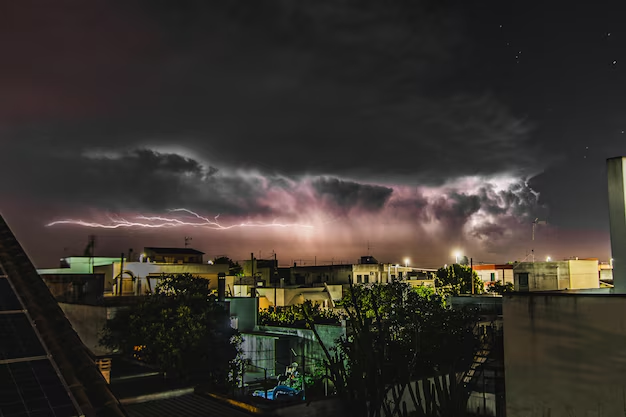
Is There a Storm Coming to Atlanta? How to Check and What to Expect
If you live in Atlanta, Georgia or you’re planning a visit, it’s smart to ask, “Is there a storm coming to Atlanta?” The city’s weather can change quickly, especially during spring and summer, and storms can affect traffic, flights, outdoor plans, and even daily errands.
Because weather conditions change constantly, this guide won’t tell you the current forecast. Instead, it explains:
- How to quickly find out if a storm is headed for Atlanta
- What kinds of storms Atlanta typically sees
- What weather alerts mean for you in the city
- Practical tips for staying safe and prepared in metro Atlanta
How to Find Out If a Storm Is Coming to Atlanta
You can usually tell if a storm is headed toward Atlanta by combining official alerts, local forecasts, and real-time radar.
1. Check for Official Weather Alerts
Look for weather alerts specific to:
- City of Atlanta
- Fulton County
- Nearby counties in the metro area, like DeKalb, Cobb, Clayton, and Gwinnett
Common alert types you might see include:
- Severe Thunderstorm Watch – Conditions are favorable for severe storms.
- Severe Thunderstorm Warning – A severe storm is happening or imminent in the warned area.
- Tornado Watch – Tornadoes are possible; storms may intensify.
- Tornado Warning – A tornado has been spotted or indicated by radar; take cover immediately.
- Flash Flood Warning – Rapid flooding is happening or about to happen.
- Flood Advisory/Watch – Flooding is possible, especially in low-lying or poor-drainage areas.
In Atlanta, these alerts are typically issued by the National Weather Service (NWS) – Peachtree City office, which covers the metro area.
2. Use Local Atlanta Weather Sources
For an Atlanta-focused look at whether a storm is on the way, many residents rely on:
- Local TV weather forecasts for the Atlanta metro area
- Weather apps with location services turned on for “Atlanta, GA”
- Radio updates, especially during commutes on I-285, I-75, I-85, I-20, and local routes
When you check, focus on:
- Timing – What hours storms are most likely (afternoon, overnight, early morning)
- Location – Whether storms are expected inside the Perimeter (ITP), outside the Perimeter (OTP), or in specific suburbs
- Intensity – Mentions of damaging winds, hail, heavy rain, tornado potential, or frequent lightning
3. Look at Radar to See What’s Coming
Radar is particularly helpful in Atlanta because storms often form west of the city and move east.
When viewing radar:
- Look for rain or storm cells approaching from Alabama or western Georgia toward downtown Atlanta.
- Pay attention to storm lines moving into west side neighborhoods like West Midtown, Cascade, or Douglasville, as they often move across the city toward Decatur, Stone Mountain, and further east.
- Note how fast the line is moving; this helps you judge whether you have minutes or hours before it arrives.
Typical Storm Seasons in Atlanta
While storms can happen any time of year, Atlanta has certain patterns.
Spring (March–May)
- One of the most active storm seasons for Atlanta
- Higher risk of severe thunderstorms, hail, and tornadoes
- Quick changes in temperature can trigger strong storms along cold fronts
- Late afternoon and evening storms are common
Summer (June–August)
- Frequent afternoon and early evening thunderstorms, often “pop-up” storms
- Heavy rain, lightning, and brief gusty winds
- Heat + humidity can fuel intense downpours, especially in and around Downtown, Midtown, Buckhead, and the airport area near Hartsfield-Jackson Atlanta International Airport
Fall (September–November)
- Still sees strong fronts and sometimes severe storms, especially early fall
- Potential impacts from tropical systems or the remnants of hurricanes from the Gulf or Atlantic, bringing heavy rain and gusty winds
Winter (December–February)
- Mostly rain and overcast days, with occasional strong cold fronts
- Rare but possible winter storms with freezing rain or light snow, especially affecting hills and overpasses in North Atlanta, Sandy Springs, Dunwoody, and nearby areas
Common Types of Storms in Atlanta
Knowing what kind of storm is coming helps you prepare appropriately.
Thunderstorms
Atlanta frequently experiences:
- Heavy downpours that can reduce visibility quickly on I-75/85, the Downtown Connector, and city streets
- Frequent lightning, especially dangerous on open fields, construction sites, golf courses, and during outdoor events
- Gusty winds that can bring down tree limbs or cause brief power outages
Severe Thunderstorms
These are stronger storms that may bring:
- Damaging winds capable of knocking down trees, particularly in older, tree-lined neighborhoods like Virginia-Highland, Inman Park, and Grant Park
- Large hail that can damage cars parked outdoors
- Intense lightning and sudden heavy rainfall
Tornadoes
In and around Atlanta:
- Tornadoes can form quickly within strong storm systems
- Even weaker tornadoes can cause roof damage, downed trees, and power outages
- Tornadoes may move across parts of the metro area including residential neighborhoods, business districts, and near major highways
When a Tornado Warning is issued for your part of Fulton, DeKalb, Cobb, or surrounding counties, take it seriously and move to an interior room on the lowest floor of a sturdy building.
Flooding and Flash Floods
Atlanta’s hills, creeks, and dense development mean that heavy rain can cause:
- Flash flooding in low spots and underpasses, including stretches of Peachtree Creek, Nancy Creek, and other local waterways
- Street flooding in areas with poor drainage, sometimes affecting city intersections and parking lots
- Rapid rises in smaller streams after very heavy rain
Never attempt to drive through flooded roads. Even in the city, the water depth can be misleading and dangerous.
Quick Reference: Atlanta Storm Risk by Season
| Season | Main Storm Risks in Atlanta | Typical Impact on Daily Life |
|---|---|---|
| Spring | Severe storms, hail, tornadoes, heavy rain | Commute delays, event cancellations, power outages |
| Summer | Afternoon storms, lightning, brief strong winds | Disrupted outdoor plans, localized flooding |
| Fall | Strong fronts, tropical remnants, heavy rain | Flooding, windy conditions, travel disruptions |
| Winter | Rain, occasional storms, rare ice/snow events | Road hazards, especially on bridges and overpasses |
How Storms Typically Affect Life in Atlanta
When a storm is headed toward Atlanta, you may notice effects across the city and metro area.
Traffic and Commuting
Storms can cause:
- Slowdowns and accidents on major interstates like I-285, I-20, I-75, I-85, and Georgia 400
- Reduced visibility during downpours, especially on the Downtown Connector
- Longer travel times for MARTA buses; rail may also face delays if there are power or signal issues
If storms are expected during rush hour, it’s wise to:
- Leave earlier or later than peak times
- Avoid flooded or low-lying roads
- Allow extra time for bus and train connections
Air Travel
Hartsfield-Jackson Atlanta International Airport is a major hub, and storms can lead to:
- Ground stops or delays during lightning or severe weather
- Turbulence and rerouted flights during stormy conditions
- Longer lines and waiting times if flights are delayed broadly
If a strong storm line is forecast, checking your flight status before heading to the airport can save time and stress.
Power and Utilities
In tree-heavy neighborhoods, storms can sometimes cause:
- Power outages from falling limbs or downed lines
- Internet and cable interruptions
- Traffic signal outages at busy city intersections
Keeping a small supply of flashlights, batteries, and phone chargers can make brief outages more manageable.
Practical Steps to Prepare for a Storm in Atlanta
You don’t need a major emergency kit for every thunderstorm, but a few simple steps make a real difference.
Before a Storm
Secure outdoor items
- Move patio furniture, grills, and trash bins away from edges where winds can knock them over.
Charge devices
- Charge your phone, laptop, and backup battery banks in case of outages.
Fuel and meds
- Keep some gas in your car and ensure necessary medications are easy to access, especially if you rely on elevators or power-dependent home equipment.
Know your safe spot
- In apartments or homes in Atlanta, identify an interior room on the lowest floor away from windows (closet, bathroom, or hallway) for tornado or high-wind situations.
During a Storm
Stay indoors
- Avoid being outside during heavy lightning, high wind, or hail.
Stay off flooded roads
- Do not try to drive through standing water, even on familiar Atlanta streets.
Avoid using elevators if lightning or power flickers are frequent, especially in high-rises in Downtown, Midtown, and Buckhead.
Follow official instructions
- When an alert is issued for your area, act quickly—don’t wait to “see it first.”
After a Storm
Watch for downed lines
- Assume any downed wire is live. Report it, don’t touch it.
Drive carefully
- Look out for fallen branches, dark traffic lights, and debris on roads.
Check your surroundings
- In dense areas, like apartment complexes or townhome communities, look for loose shingles, broken glass, and unstable trees.
Where Atlantans Can Turn for Local Storm and Emergency Information
You can follow weather and emergency information from official local agencies that serve Atlanta.
City and County Emergency Management
Atlanta-Fulton County Emergency Management Agency (AFCEMA)
- Coordinates local response to storms and other emergencies affecting the City of Atlanta and Fulton County.
DeKalb, Cobb, Clayton, and Gwinnett County emergency management offices
- Provide county-level alerts and preparedness guidance for metro-area residents outside Fulton.
These agencies generally share information through:
- Local media
- Official press briefings
- Community notification systems, where available
911 and Non-Emergency Numbers
In an immediate life-threatening situation caused by storms (such as injuries, trapped persons, or active fire), call 911.
For non-emergency storm-related concerns (like reporting downed trees blocking a non-major road without injuries), local jurisdictions often provide non-emergency police or public works phone numbers, which you can find through the city or county directory.
How to Tell If a Storm Will Affect Your Specific Part of Atlanta
Atlanta’s metro area is large, and conditions can vary significantly from one neighborhood to another.
To see if your exact location is at risk:
- Use a weather app that lets you enter your street or ZIP code (for example, 30303 for Downtown, 30308 for Midtown, 30331 for parts of Southwest Atlanta, etc.).
- On radar, zoom in on your specific neighborhood, such as East Atlanta Village, Kirkwood, West End, or Brookhaven, not just “Atlanta” in general.
- Listen closely to TV or radio alerts that list specific neighborhoods, intersections, or landmarks near you.
If a warning mentions locations near major highways, interchanges, or recognizable areas you frequent, treat it as relevant and move to a safe area right away.
Key Takeaways for Atlantans Asking “Is There a Storm Coming?”
- Atlanta’s weather changes quickly, especially spring through early fall, so checking the forecast and radar regularly is important.
- Look for official alerts like Severe Thunderstorm Warnings, Tornado Warnings, and Flash Flood Warnings targeted to Atlanta and surrounding counties.
- Thunderstorms, heavy rain, wind, lightning, and occasional tornadoes are all part of Atlanta’s typical weather pattern.
- Storms can impact traffic, flights, power, and events across the metro area, from Downtown and Midtown to suburbs around the Perimeter.
- Simple preparation—charging devices, knowing your safe room, and avoiding flooded roads—goes a long way in staying safe.
Any time you wonder, “Is there a storm coming to Atlanta?”, checking the latest local forecast, radar, and official alerts for your exact part of the metro area will give you the most accurate, up-to-date answer.