
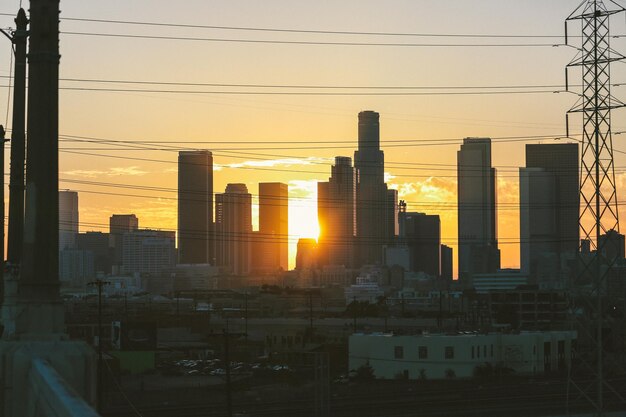
Atlanta Weather: What To Expect Through the Year
Atlanta’s weather can feel like a little bit of everything: hot, humid summers, mild but sometimes stormy winters, and colorful springs and falls in between. If you live in Atlanta, are planning a visit, or are just trying to understand the city’s climate, it helps to know what “normal” looks like here.
Below is a practical guide to what the weather is like in Atlanta, Georgia, season by season, plus tips on how it affects daily life, commuting, and outdoor plans.
Atlanta’s Overall Climate at a Glance
Atlanta has a humid subtropical climate. In everyday terms, that means:
- Long, hot, humid summers
- Short, generally mild winters
- Plenty of rain spread across the year
- Thunderstorms are common, especially in warm months
- Occasional cold snaps, ice, or even light snow in winter
Quick Weather Snapshot for Atlanta
Typical ranges, not current forecast.
| Season | Typical Highs (°F) | Typical Lows (°F) | What It Feels Like |
|---|---|---|---|
| Winter | Mid-40s to mid-50s | Upper 20s–30s | Mostly cool, a few freezing or icy days |
| Spring | 60s to upper 70s | 40s–50s | Mild, breezy, lots of pollen |
| Summer | Upper 80s–90s+ | 70s | Hot, humid, frequent afternoon storms |
| Fall | 60s–70s | 40s–50s | Comfortable, less humid, cooler nights |
For up-to-the-minute conditions, check a trusted real-time weather source or app, since this guide focuses on typical patterns rather than live data.
Winter in Atlanta (December–February)
Temperature and Conditions
Atlanta winters are relatively mild compared with many northern cities, but they’re not always warm:
- Daytime highs often land in the 40s and 50s°F
- Nighttime lows can dip into the 30s°F, and occasionally below freezing
- Light snow or ice is possible but usually brief and limited
You may see:
- Cold rain on many winter days
- A few hard freezes each year
- An occasional “wintry mix” of sleet or freezing rain that can make roads slick
How It Affects Daily Life
- Commuting: Even a thin layer of ice can cause major traffic delays on interstates like I‑75, I‑85, I‑20, and the Downtown Connector. Many Atlantans stay off the roads during ice events.
- Transit:MARTA buses and trains may run on modified schedules during severe winter weather. Riders often check for alerts before heading to a station such as Five Points or Peachtree Center.
- Schools & offices: It’s common for schools around the city and metro counties to delay opening or close when ice or snow is expected.
What to Have on Hand
- A warm coat, hat, and gloves for cold snaps
- Layers, since some days are chilly and others are fairly mild
- An ice scraper and windshield washer fluid rated for low temperatures if you drive
Spring in Atlanta (March–May)
Temperature and Conditions
Spring in Atlanta is usually mild and pleasant, but also changeable:
- Highs typically climb from the 60s into the 70s°F
- Lows move from the 40s into the 50s°F
- Rain showers and thunderstorms are common
You can get cool mornings, warm afternoons, and storms all in the same week.
Pollen and Allergies
Atlanta is known for intense spring pollen, especially from pine, oak, and other trees. You’ll often see:
- Yellow pollen dust on cars, sidewalks, and patios
- Local pollen counts reported on news and weather outlets
- Many residents closing windows and relying on air conditioning and air filters during peak pollen days
Storms and Safety
Spring can bring:
- Thunderstorms with heavy rain
- Gusty winds and occasional hail
- The risk of severe storms or isolated tornadoes, especially on very warm, unstable days
A NOAA Weather Radio or weather alerts on your phone can help you stay informed of watches and warnings issued for the Atlanta area and surrounding counties.
Summer in Atlanta (June–August)
Temperature and Humidity
Summer is when Atlanta really earns its reputation as “Hotlanta.”
- Daytime highs often reach the upper 80s to mid-90s°F
- Heat index (what it “feels like”) can run higher because of humidity
- Nights usually stay in the 70s°F, making it feel warm even after sunset
Humidity levels tend to be high, which can make the air feel heavy and sticky, especially downtown and in dense neighborhoods.
Thunderstorms and Heavy Rain
Summer afternoons frequently bring:
- Pop-up thunderstorms, often forming in the late afternoon
- Intense but brief downpours
- Lightning, sometimes frequent and close
These storms can:
- Cause localized street flooding on low-lying roads and underpasses
- Temporarily disrupt outdoor events, including concerts, festivals, and games
- Lead to flight delays at Hartsfield-Jackson Atlanta International Airport during severe weather
If you’re outdoors at places like Piedmont Park, the Atlanta BeltLine, or Truist Park, many people adopt the rule of seeking shelter when thunder is heard nearby.
Heat Safety Tips for Atlanta Summers
- Hydrate regularly if you’re walking, biking, or taking MARTA
- Use light, breathable clothing and a hat when outside
- Try to plan strenuous outdoor activity for early morning or evening
- Take advantage of air-conditioned indoor spaces (libraries, shopping centers, public buildings) on the hottest days
Fall in Atlanta (September–November)
Temperature and Conditions
Fall is one of the most comfortable seasons in Atlanta:
- Highs often stay in the 60s and 70s°F
- Lows drop into the 40s and 50s°F
- Humidity usually decreases, especially later in the season
You’ll notice cooler mornings and evenings that feel refreshing after the heat of summer.
Rain, Storms, and Tropical Influence
Early fall can still bring:
- Warm days that feel like “late summer”
- Thunderstorms, though generally less frequent than in midsummer
- Occasionally, remnants of tropical systems moving inland from the Gulf or Atlantic, which can bring heavy rain and gusty winds to the Atlanta area
Later in fall, the weather turns crisper and more stable, with many clear, sunny days that are popular for outdoor festivals and sports.
Fall Foliage
Trees across the city and in nearby areas like Stone Mountain and North Georgia shift to reds, oranges, and yellows, typically in:
- Late October through early November, depending on conditions
These color changes can vary from year to year based on temperature and rainfall.
How Much Rain Does Atlanta Get?
Atlanta sees steady rainfall throughout the year rather than a single “rainy season.” In practical terms:
- Rain can occur in any month, but
- Late winter and early spring often trend wetter
- Summer features frequent, shorter afternoon storms
Rain usually comes as:
- Short, heavy showers with thunderstorms in warm months
- Longer, lighter rain in cooler months
If you live here, it’s common to keep an umbrella or rain jacket handy almost year-round.
Severe Weather: What Atlanta Residents Should Know
While everyday weather is usually manageable, Atlanta does see periodic severe events.
Common Severe Weather Types
- Severe thunderstorms with damaging winds and hail
- Occasional tornadoes, especially during spring and sometimes fall
- Flash flooding in low-lying or poorly drained areas during heavy rain
- Ice storms some winters, which can down trees and power lines
Staying Informed
Many Atlanta residents rely on a combination of:
- Weather apps with alerts
- Local TV and radio weather updates
- NOAA Weather Radio for alerts on watches and warnings
These tools help people decide when to delay travel, reschedule outdoor plans, or seek shelter.
How Atlanta Weather Affects Getting Around the City
Driving
- Rain: Heavy showers can reduce visibility and create standing water on roads like the Downtown Connector and I‑285.
- Ice and snow: Even light wintry precipitation can quickly become a major traffic issue, as bridges and overpasses freeze first.
- Thunderstorms: Strong storms can cause sudden slowdowns, especially when lightning or hail is present.
Many drivers plan extra travel time when severe weather is forecast, especially during rush hours.
Public Transit and Walking
MARTA buses and trains continue to operate in most conditions, but schedules may be modified in severe winter or flooding situations.
Walkers and bikers often plan around:
- Heat and humidity in summer
- Downpours and storms that can move in quickly
Indoor vs. Outdoor Activities by Season
If you’re planning what to do in Atlanta, the weather can guide your choices.
When the Weather Is Best for Outdoor Plans
- Late spring and fall are typically the most comfortable for:
- Outdoor festivals and concerts
- Walking the Atlanta BeltLine
- Visiting Atlanta Botanical Garden, Zoo Atlanta, and city parks
When Indoor Options Are More Comfortable
- Mid-summer afternoons: Many people seek air-conditioned activities—museums, aquariums, indoor attractions, and shopping—when heat and storms peak.
- Cold, wet winter days: Indoor entertainment, dining, and cultural venues are popular when it’s chilly and rainy.
Practical Packing and Clothing Tips for Atlanta
If you’re moving to or visiting Atlanta, this packing checklist aligns with the city’s weather patterns:
Year-round
- Light rain jacket or umbrella
- Comfortable walking shoes that handle wet sidewalks
Winter (Dec–Feb)
- Medium to heavy coat
- Sweaters and layers
- Gloves, hat, and scarf for cold snaps
Spring (Mar–May)
- Light jacket or hoodie for mornings/evenings
- Short sleeves for mild afternoons
- Plan for pollen: tissues, sunglasses, and closed windows if sensitive
Summer (Jun–Aug)
- Light, breathable clothing
- Hat and sunglasses
- Refillable water bottle if you’re out and about
- A small umbrella for sudden storms
Fall (Sep–Nov)
- Light sweater or jacket
- Layers that can be added or removed as temperatures swing
Where Atlantans Commonly Check the Weather
Residents typically rely on:
- Weather apps on smartphones for hour-by-hour forecasts
- Local television and radio for storm coverage and severe alerts
- In-car and in-home smart devices for quick temperature and rain checks
For official alerts such as watches and warnings, messages are commonly issued for the City of Atlanta and surrounding counties, covering the broader metro area many commuters travel through.
Understanding the typical weather patterns in Atlanta—from hot, humid summers to mild but sometimes icy winters—makes it easier to plan your day, your commute, and your activities. Conditions can change quickly, especially with thunderstorms, so most Atlantans keep an eye on the forecast and stay flexible with outdoor plans.