
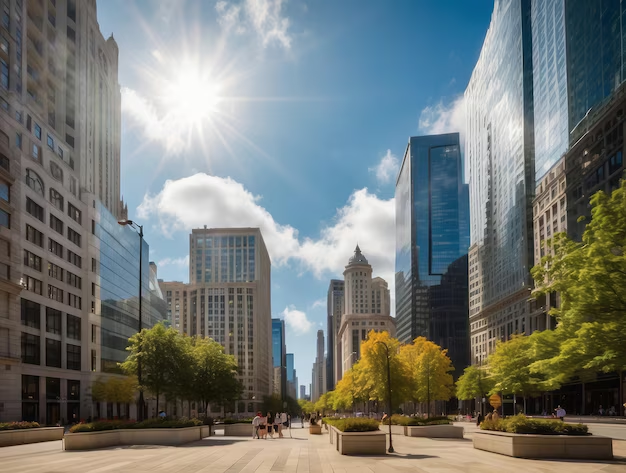
Atlanta Weather: What to Expect Through the Year
Atlanta’s weather is one of the big reasons people enjoy living in and visiting the city. You’ll get four distinct seasons, plenty of sunshine, and occasional surprises like summer thunderstorms or a rare winter dusting of snow. If you’re planning a move, a trip, or just want to understand the local climate better, it helps to know what Atlanta’s weather is really like month to month.
Big-Picture Overview of Atlanta’s Climate
Atlanta has a humid subtropical climate, which means:
- Hot, humid summers
- Mild, short winters
- Comfortable spring and fall
- Rain spread fairly evenly year-round, with more thunderstorms in warmer months
You’ll experience:
- Heat and humidity from roughly May through September
- Cooler, crisp air in fall and early spring
- Occasional cold snaps in winter, but long stretches are usually mild
If you’re used to harsh winters, Atlanta will feel relatively gentle. If you’re coming from a dry climate, the humidity—especially in summer—will be the biggest adjustment.
Atlanta Weather by Season
Spring (March–May)
Spring is one of the best times to be in Atlanta. Temperatures climb quickly from early March to late May, and the city’s trees and parks green up fast.
Typical spring patterns:
- Temperatures: Often in the 60s–70s°F (15–25°C) during the day, cooler at night
- Feel: Generally comfortable, with rising humidity by late April and May
- Rain: Regular showers and thunderstorms, especially late spring
- Pollen: Tree and grass pollen can be very noticeable, especially around April
What this means for daily life:
- Great weather for outdoor spots like Piedmont Park, the BeltLine, and Stone Mountain.
- You’ll want layers—mornings can be cool, afternoons warm.
- Afternoon or evening thunderstorms can pop up, so quick rain gear is helpful if you’re out and about.
Summer (June–August)
Summer in Atlanta is hot, humid, and often muggy, especially in July and August.
Typical summer patterns:
- Temperatures: Commonly in the high 80s to 90s°F (around 30–35°C)
- Heat index: Humidity can make it feel hotter than the actual temperature
- Evenings: Warm and humid; it doesn’t cool off dramatically at night
- Rain: Frequent afternoon thunderstorms, some brief and intense with heavy rain, lightning, and gusty winds
Key takeaways:
- Air conditioning is essential in homes, offices, hotels, and public spaces.
- For outdoor activities (like visiting the Atlanta Zoo, the Georgia Aquarium, or the Botanical Garden):
- ⏰ Aim for morning or late evening
- 💧 Bring water and dress in light, breathable clothing
- Expect occasional thunderstorm delays for events, sports, or flights, especially in the late afternoon.
Fall (September–November)
Fall is another highly favored season in Atlanta, with a noticeable break from the summer heat.
What fall usually feels like:
- September: Still warm and somewhat humid; can feel like an extension of summer
- October: Often mild and pleasantly dry, with comfortable days and cooler nights
- November: Cooler, more like early winter in some regions, but still generally mild
Weather highlights:
- Temperatures: Frequently in the 60s–70s°F (15–25°C) during the day in October, cooler by November
- Humidity: Gradually drops, making it feel more comfortable outside
- Rain: Moderate; big storms are less common than in summer
For residents and visitors:
- Ideal for walking neighborhoods like Inman Park, Virginia-Highland, and Midtown.
- Popular time for outdoor events and festivals due to the stable, pleasant weather.
- Light jacket or sweater is often enough, especially mornings and evenings.
Winter (December–February)
Atlanta winters are relatively short and mild compared to many parts of the U.S., but the city can still see some cold snaps.
Typical winter conditions:
- Temperatures: Daytime often in the 40s–50s°F (4–15°C), with colder spells dipping lower
- Nights: Can drop near or below freezing at times
- Snow: Infrequent and usually light when it does fall
- Ice: When winter storms do occur, freezing rain and ice can be more disruptive than snow
What to expect:
- Most days are chilly but manageable with a coat or warm layers.
- Snow events are rare, but even small amounts of snow or ice can impact roads and transit, since the city is not designed for heavy winter weather.
- Occasional cold, breezy days may feel sharper than the temperature suggests, especially in open areas.
If you’re traveling in winter:
- Check local forecasts before driving, especially during active weather.
- Be aware that school closures and delays can happen when icy conditions are expected or roads become slick.
Quick Seasonal Snapshot
Here’s a simple overview of how Atlanta’s weather generally feels throughout the year:
| Season | Overall Feel | Typical Daytime Temps | Key Features |
|---|---|---|---|
| Spring | Mild to warm, variable | 60s–70s°F | Showers, thunderstorms, rising pollen |
| Summer | Hot, humid, often muggy | High 80s–90s°F | Strong sun, afternoon storms |
| Fall | Pleasant, less humid | 60s–70s°F | Comfortable, good for outdoor events |
| Winter | Mild, short cold spells | 40s–50s°F | Rare snow/ice, mostly cool and dry |
Temperatures are approximate and can vary year to year.
Rain, Storms, and Severe Weather in Atlanta
Rain and Thunderstorms
Rain in Atlanta is spread throughout the year, but summer and early fall bring more thunderstorm activity.
Common patterns:
- Summer afternoons: Pop-up storms that can be brief but intense
- Thunder and lightning: Frequent in warm-season storms
- Visibility: Heavy downpours can reduce visibility on interstates like I‑75, I‑85, and I‑285
Planning tips:
- Build in a little extra travel time on stormy days.
- Outdoor gatherings may need backup indoor plans in summer.
Severe Weather and Tornado Risk
Atlanta can experience strong storms, including:
- Severe thunderstorms with gusty winds and hail
- Occasional tornado warnings, usually tied to stronger storm systems
While strong storms are not daily occurrences, it’s wise to:
- Have a way to receive weather alerts on your phone.
- Know where you would go in your home, hotel, or office if a tornado warning is issued (usually an interior room away from windows).
For official alerts and forecast information, residents commonly rely on the National Weather Service Forecast Office in Peachtree City, which covers the Atlanta area.
Heat, Humidity, and Air Quality
Heat and Humidity
From late spring through early fall, heat and humidity are central to Atlanta’s weather.
What it feels like:
- The “feels like” temperature (heat index) can be higher than the actual reading.
- Humidity can make summer days feel heavier and more tiring, especially in direct sun or on paved city streets.
Practical steps:
- Plan outdoor exercise early in the morning or later in the evening.
- Use shade, hats, and light clothing when out midday.
- Take regular breaks if working or sightseeing outdoors.
Air Quality
On some hot, stagnant days—especially in summer—Atlanta can experience reduced air quality, including higher ozone levels.
If you’re sensitive to air quality:
- Check the Air Quality Index (AQI) provided by local agencies before spending long periods outdoors in the heat.
- Consider scheduling outdoor-intensive activities on days with better air quality and lower temperatures.
How Altitude and Geography Affect Atlanta Weather
Atlanta sits on the Piedmont plateau at a higher elevation than many nearby Southern cities. This:
- Helps keep temperatures a bit more moderate than coastal or lower-elevation areas to the south.
- Still allows for humid, hot summers, but winter temperatures are often more moderate than in the mountains to the north.
The city’s tree canopy and green spaces can also create small local differences, with densely built areas often feeling slightly warmer than heavily shaded neighborhoods.
Preparing for Atlanta Weather: What to Pack and Plan For
Whether you’re moving to Atlanta or visiting, here’s a quick guide:
Year-Round Essentials
- Light layers: Weather can change quickly between morning and afternoon, especially in spring and fall.
- Compact umbrella or rain jacket: Showers can pop up in any season.
Spring and Fall
- Light jacket or sweater
- Comfortable walking shoes for enjoying parks, neighborhoods, and the Atlanta BeltLine
Summer
- Light, breathable clothing
- Hat, sunglasses, and sunscreen
- Reusable water bottle for staying hydrated at outdoor attractions and events
Winter
- Medium-weight coat or insulated jacket
- Sweaters or warm layers
- Gloves and hat for colder or windy days, especially at night
Getting Local Weather Information in Atlanta
For up-to-date local forecasts, warnings, and advisories affecting the Atlanta area, residents often rely on:
- National Weather Service – Peachtree City Forecast Office
4 Falcon Drive, Peachtree City, GA 30269
Phone (public line): (770) 486‑0028
Local TV and radio stations, as well as weather apps, also provide Atlanta-focused forecasts, including hourly updates and radar for storms moving through the metro area.
Atlanta’s weather offers a bit of everything: hot and sunny stretches, comfortable transitional seasons, and a relatively mild winter. Knowing these patterns makes it much easier to plan your routines, commutes, and activities around what the sky is likely to do next.