
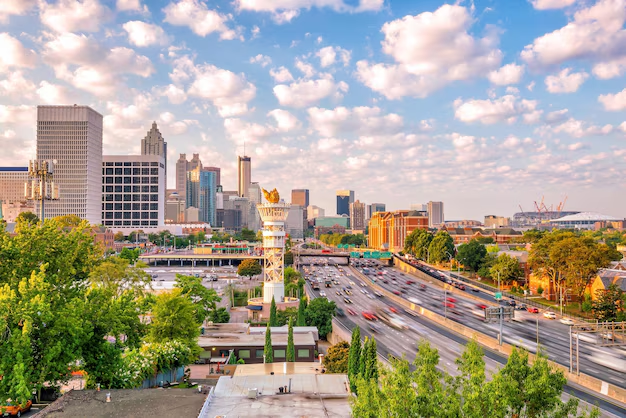
Atlanta Weather: What to Expect Through the Year
Atlanta’s weather is one of the city’s defining features—warm, humid summers, mild (but sometimes surprising) winters, and plenty of change from one season to the next. Whether you live in Atlanta, are planning a visit, or are considering a move, understanding what the weather is like in Atlanta helps you plan your days, your wardrobe, and your travel.
Below is a clear, season-by-season guide to Atlanta, Georgia weather, with local context and practical tips.
Quick Overview: Atlanta’s Climate at a Glance
Atlanta has a humid subtropical climate. In everyday terms, that means:
- Hot, humid summers
- Mild, often pleasant spring and fall
- Cool to chilly winters with occasional brief cold snaps
- Rain spread fairly evenly throughout the year
- Rare but possible wintry mix or light snow in some winters
Typical Atlanta Weather by Season (Approximate)
These ranges are general patterns, not exact forecasts.
| Season | Typical Highs (°F) | Typical Lows (°F) | What It Feels Like |
|---|---|---|---|
| Winter | mid-40s to mid-50s | upper 20s–mid-30s | Cool to cold; short cold snaps |
| Spring | 60s to 70s+ | 40s to 50s | Mild, variable; increasing pollen |
| Summer | upper 80s–mid-90s | upper 60s–70s | Hot, humid; pop-up storms |
| Fall | 60s to 70s | 40s to 50s | Comfortable, drier-feeling; cooler nights |
Winter in Atlanta (December–February)
Atlanta winters are generally mild compared to many U.S. cities, but locals know to expect a little of everything.
Temperatures and Feel
- Daytime highs often sit in the 40s and 50s°F.
- Nighttime lows can dip into the 30s°F, with colder nights during Arctic fronts.
- Short-lived cold snaps can bring below-freezing mornings, but they usually do not last long.
You’ll want layers, a medium-weight coat, and a warm jacket or hat for colder mornings and evenings.
Snow, Ice, and “Winter Weather Events”
Snow in Atlanta is infrequent, and heavy snow is uncommon. However:
- Some winters see no measurable snow, while others bring a few light snow events.
- Freezing rain and ice can be more disruptive than snow, creating slick roads and hazardous driving conditions.
- Light wintry mix can quickly affect interstates like I‑75, I‑85, and I‑285, and hilly neighborhoods.
Because the city is not built for frequent snow and ice, even small accumulations can cause school closures, transit delays, and traffic issues.
Practical Winter Tips for Atlanta
- Keep a light to medium coat, gloves, and a hat handy.
- Allow extra time on mornings after a cold front or overnight rain.
- If you rely on MARTA buses or trains, check for service updates on days with freezing precipitation.
- If you’re visiting, pack layers and a waterproof jacket, rather than only heavy winter gear.
Spring in Atlanta (March–May)
Spring is one of the most pleasant seasons in Atlanta, with warming temperatures and plenty of greenery—but also plenty of pollen.
Temperatures and Weather Pattern
- Highs typically move from the 60s in March to the 70s and low 80s°F by late spring.
- Nights cool off into the 40s and 50s°F.
- Expect a mix of sunny days and occasional thunderstorms, especially later in spring.
Early spring can still be chilly in the morning and mild by afternoon, so layering remains helpful.
Pollen and Air Quality
Atlanta is known for heavy tree and grass pollen, especially:
- Late March through April for tree pollen
- Late spring into early summer for grass pollen
You’ll notice yellowish pollen on cars, patios, and sidewalks, particularly around neighborhoods with many trees such as Buckhead, Druid Hills, and parts of Decatur.
Even if you don’t have allergies, it’s wise to:
- Rinse off outdoor furniture more often.
- Use your car’s recirculate setting on high pollen days.
- Plan outdoor activities when you’re most comfortable with air quality conditions.
Spring Activity Tips
- Ideal season for walking the BeltLine, visiting Piedmont Park, or exploring local festivals.
- Carry a light jacket or sweater; mornings and shaded areas can be cooler than expected.
- Keep an umbrella or light rain jacket for brief showers and passing storms.
Summer in Atlanta (June–August)
Atlanta summers are hot, humid, and often sticky, with frequent late-day storms.
Heat and Humidity
- Afternoon highs often sit in the upper 80s to mid-90s°F.
- Humidity can make it feel warmer than the actual temperature.
- Overnight lows usually stay in the upper 60s to 70s°F, so it rarely feels truly cool at night.
Most Atlanta homes, apartments, hotels, and businesses use air conditioning, and it’s considered essential.
Thunderstorms and Heavy Rain
A classic “Atlanta summer day” often looks like this:
- Warm and humid morning.
- Hot, sunny midday with building clouds.
- Scattered thunderstorms late afternoon or early evening, sometimes brief but heavy.
Storms can bring:
- Lightning and thunder
- Short bursts of heavy rainfall
- Occasional gusty winds
Localized flooding can occur in low-lying areas, underpasses, and near creeks, especially during intense downpours.
Staying Comfortable in Summer
- Plan outdoor activities for early morning or later in the evening to avoid peak heat.
- Wear light, breathable fabrics and stay hydrated.
- Expect strong air conditioning in many indoor spaces—having a light layer for indoor settings can be helpful.
- After storms, humidity can spike, so even cooler temperatures may feel muggy.
Fall in Atlanta (September–November)
Fall in Atlanta is often considered the most comfortable and scenic season, with more stable weather and lower humidity.
Temperatures and Conditions
- Early fall (September) can still feel summer-like, especially afternoon highs in the 80s°F.
- By October and November, highs usually range from the 60s to 70s°F, with cooler nights in the 40s and 50s°F.
- Humidity tends to drop, making the air feel more comfortable and crisp.
Fall Foliage and Outdoor Weather
Atlanta’s tree canopy makes for beautiful fall color, often peaking in late October to mid-November. Neighborhoods like Midtown, Inman Park, and Virginia-Highland, and parks like Piedmont Park and Grant Park, are especially scenic.
Weather is often ideal for:
- Outdoor dining
- Walking or biking on Atlanta’s BeltLine trails
- Attending football games, festivals, and outdoor concerts
Light jackets or sweaters are usually enough, especially for evenings.
Rain and Storms in Atlanta
Atlanta receives regular rainfall during all seasons, though patterns vary.
General Rain Pattern
- Frequent short showers and storms in late spring and summer.
- Steadier rain events can occur in fall and winter, especially with passing weather systems.
- Extended long, dry seasons are less common, but shorter dry stretches do occur.
Because rain is spread through the year, it’s good to have:
- A compact umbrella or light rain jacket in your car, bag, or office.
- Appropriate footwear for wet sidewalks and occasional puddles, especially in city centers and older neighborhoods.
Severe Weather Considerations
Atlanta can occasionally experience:
- Strong thunderstorms with lightning and heavy rain
- Gusty winds, sometimes leading to downed branches or power lines
- Rare tornado warnings in the wider metro area
Residents often rely on:
- Wireless Emergency Alerts on smartphones
- Local TV and radio weather updates
- Weather apps for real-time radar and alerts
If you’re new to the area, it’s helpful to learn where interior rooms are in your home or office in case of severe weather alerts.
Humidity, Heat Index, and “Feel-like” Temperatures
In Atlanta, the “feels like” temperature can matter more than the number on the thermometer.
- In summer, high humidity can make 90°F feel significantly hotter.
- Even in late spring or early fall, a humid 80s°F day in full sun can feel intense.
Practical steps:
- Take advantage of shade, indoor cooled spaces, and water breaks if you’re outdoors.
- Time high-exertion activities (like long walks or outdoor sports) for morning or evening.
Weather and Daily Life in Atlanta
Commuting and Traffic
Atlanta’s weather influences traffic patterns:
- Rainy rush hours can slow traffic on major interstates such as I‑75, I‑85, I‑20, and the I‑285 Perimeter.
- During winter icing, even small patches of ice can cause major slowdowns.
- Summer storms can briefly reduce visibility; many drivers pull over or slow significantly during heavy downpours.
If you rely on public transportation (MARTA rail and buses), heavy storms or icy conditions can lead to adjustments or delays, so it’s good to check system alerts when weather is threatened.
Outdoor Events and Attractions
Atlanta has many outdoor venues—including Truist Park, Mercedes‑Benz Stadium (with a roof), Atlanta Botanical Garden, Zoo Atlanta, and numerous festivals.
- In summer, event planners often schedule activities in the evening due to heat.
- In spring and fall, outdoor events are common, but thunderstorms may still affect schedules.
- In winter, most days are still manageable for outdoor walking with appropriate clothing.
Where Atlantans Get Weather Information
For up-to-date, local weather conditions, forecasts, and severe weather alerts, Atlanta residents commonly use:
- Local TV stations with dedicated weather teams.
- Weather apps on smartphones for radar and hourly outlooks.
- National Weather Service – Atlanta area office, which issues official watches and warnings.
These resources provide real-time information that complements the general patterns described here.
Planning Your Visit or Move Around Atlanta’s Weather
If you’re scheduling a trip or planning a move, consider these general guidelines:
- Most comfortable outdoor weather:
- Late March to May, and October to early November
- Hottest and most humid:
- June through August
- Coolest and most changeable:
- December through February
Packing tips by season:
- Winter: Layers, medium coat, closed-toe shoes, and a light scarf or hat.
- Spring: Light jacket, umbrella, versatile clothing for warm afternoons/cool mornings.
- Summer: Light, breathable clothing, hat, sunglasses, and access to water; consider a light layer for cool indoor AC.
- Fall: Light sweater or jacket, comfortable walking shoes, and layers for shifting temps.
Understanding what the weather is like in Atlanta helps you make the most of the city—whether you’re commuting, exploring neighborhoods, attending a festival, or planning a weekend in one of Atlanta’s many parks and outdoor spaces.