
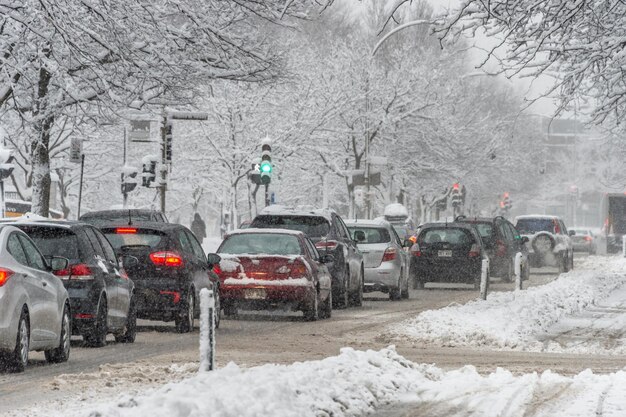
Snowmageddon in Atlanta: What Year Did It Happen and Why Does It Matter?
If you lived in Atlanta during Snowmageddon, you probably remember exactly where you were stuck. When people in Atlanta talk about “Snowmageddon,” they are almost always referring to the severe winter storm that hit the metro area in January 2014.
The Year of Snowmageddon in Atlanta
Snowmageddon in Atlanta happened in 2014.
More specifically, the storm that earned that nickname arrived on January 28, 2014.
On that day, a relatively small amount of snow and ice triggered massive gridlock, stranded thousands of drivers on interstates like I‑75, I‑85, I‑285, and GA‑400, and shut down large parts of the metro region for days.
Many longtime residents may also remember significant ice and snow in other years, but when someone says “Snowmageddon” in Atlanta, they almost always mean January 2014.
What Happened During Atlanta’s 2014 Snowmageddon?
For many cities, a couple of inches of snow is routine. In Atlanta, that 2014 storm quickly turned into a major disruption across Fulton, DeKalb, Cobb, Gwinnett, and surrounding counties.
Key features of the 2014 Snowmageddon
- Timing: Snow and sleet started falling during the late morning and midday on January 28, 2014.
- School and work dismissals: Many schools, government offices, and businesses across the Atlanta metro released people around the same time, sending thousands of vehicles onto the roads at once.
- Rapid freezing: As temperatures dropped, wet roads turned to ice, especially on bridges, overpasses, and high-elevation stretches like parts of I‑285.
- Gridlock: Interstates and major arteries became parking lots. Some drivers were stuck for hours, and many abandoned vehicles on shoulders and medians.
- Stranded students and workers:
- Some students had to stay overnight in schools.
- Many workers slept in offices, stores, or churches.
- Others walked long distances home along roads like Peachtree Street, Ponce de Leon Avenue, and Cobb Parkway.
Even once the snow stopped, ice remained on the roads, and limited plowing and treatment capacity slowed the return to normal.
Why Did Snowmageddon Hit Atlanta So Hard?
Atlanta is not built around regular snow and ice the way cities farther north are, so a storm like this has a different impact here.
Limited winter equipment
Local and regional agencies, including:
- Georgia Department of Transportation (GDOT)
- City of Atlanta Department of Transportation (ATLDOT)
- Fulton and DeKalb County public works departments
typically maintain fewer plows, spreaders, and salt supplies than cities where snow is a regular part of winter. That’s normal for a Southern city but becomes a major factor when ice forms quickly over a large area.
Road and traffic patterns
Atlanta’s transportation system magnified the effects:
- Heavy commuter traffic from the suburbs into the city and back out again
- Reliance on interstates (I‑20, I‑75, I‑85, I‑285, GA‑400) for daily commuting
- Many hilly and curvy roads, especially in neighborhoods and around areas like Vinings, Buckhead, and parts of Decatur
- Numerous bridges, flyovers, and elevated ramps, which freeze faster
When everyone tried to leave at once, minor accidents, stalled vehicles, and icy hills quickly blocked key routes.
Timing and communication
Snowmageddon also highlighted how crucial timing and messaging are:
- Many schools and employers waited to dismiss until snow was already falling and starting to stick.
- Once thousands of vehicles were already out, it was much harder for plows and salt trucks to get where they needed to go.
- Residents across Atlanta reported difficulty getting accurate local road information in real time.
Since then, local governments and agencies have generally treated winter storm forecasts more cautiously, sometimes closing or delaying schools and offices earlier when ice is possible.
Other Notable Atlanta Winter Storms (and How They Compare)
Snowmageddon 2014 stands out because of its traffic chaos, but it’s not Atlanta’s only memorable winter storm.
Here’s a simple comparison of a few widely remembered events:
| Nickname / Common Reference | Year | What Atlantans Remember Most |
|---|---|---|
| Snowmageddon | 2014 | Gridlocked interstates, abandoned cars, kids stuck at school |
| Major ice/snow event | 2011 | Heavier metro-wide snow and ice, longer citywide slowdowns |
| Various smaller snow events | Other years | Light snowfalls that briefly shut schools and offices |
Many residents mix up 2011 and 2014, because both involved snow and ice. But when the question is “What year was Snowmageddon in Atlanta?” the answer people mean is 2014.
How Snowmageddon Changed Winter Preparedness in Atlanta
If you live in or visit Atlanta now, you may notice changes in how the city and state respond to winter weather threats—many of them shaped by what happened in 2014.
Government and agency responses
Local and state agencies now tend to:
- Pre-treat major roads (interstates, key state routes, and major city arterials) when freezing precipitation is expected.
- Stagger or advance closures of schools and government offices more proactively.
- Communicate more clearly about expected timing and impacts of winter weather, especially ice.
Agencies involved can include:
- Georgia Emergency Management and Homeland Security Agency (GEMA/HS)
- GDOT (maintains major state routes and interstates)
- City of Atlanta, Fulton County, DeKalb County, and other metro counties
What Atlanta residents often do differently now
Many people who went through 2014 plan ahead more carefully for winter systems, especially if they hear the words “wintry mix” or “freezing rain” in the forecast.
Common local habits now include:
- Leaving early or working from home if ice is possible
- Avoiding long drives on I‑285, GA‑400, and hilly neighborhood streets during potential icing
- Keeping basic emergency supplies in the car:
- Blanket or warm clothing
- Bottle of water and simple snacks
- Phone charger and necessary medications
- Making sure vehicles are in good mechanical condition, with enough fuel and windshield washer fluid
If You’re New to Atlanta: What Snowmageddon Means for You
If you’ve recently moved to Atlanta or you’re visiting during winter, you might wonder what Snowmageddon 2014 means for your daily life now.
How likely is that kind of storm again?
Metro Atlanta typically has:
- Mild winters, with many days above freezing
- Occasional snow or ice events, some of which can still be disruptive
A repeat of the exact 2014 scenario is not an everyday concern, but ice and light snow can still cause major issues, especially on bridges and hills. It’s smart to be cautious any time a winter storm is forecast.
Practical tips for winter weather in Atlanta
If a winter event is in the forecast:
- Stay updated
- Listen to local radio or TV stations based in Atlanta.
- Check official weather alerts from the National Weather Service and GEMA/HS.
- Plan your route
- Avoid steep hills, neighborhood cut-throughs, and less-traveled roads if ice is expected.
- Know alternate routes around major chokepoints like Spaghetti Junction (I‑85/I‑285).
- Consider changing your schedule
- Work from home if your job allows.
- Reschedule non-essential trips to places like Hartsfield-Jackson Atlanta International Airport, shopping centers, or sports events.
- Be realistic about driving
- If roads are icy, staying off them is often the safest choice.
- Public transportation, like MARTA rail and buses, may operate on modified schedules but can sometimes be safer than driving yourself.
Helpful Local Resources for Winter Weather Information
If you want reliable, Atlanta-specific updates before or during any future snow or ice event, look to official sources:
Georgia Department of Transportation (GDOT)
- Manages interstates and many major state roads through metro Atlanta
- Provides updates on road conditions, closures, and treatment activity
Georgia Emergency Management and Homeland Security Agency (GEMA/HS)
- Shares emergency preparedness guidance and statewide alerts
City of Atlanta government and local county governments (such as Fulton County and DeKalb County)
- Announce office closures, delayed openings, and local emergency measures
Local TV and radio stations, along with well-established Atlanta-based weather outlets, also play a major role in getting location-specific updates out quickly.
Answer in a sentence:
Snowmageddon in Atlanta refers to the massive winter-weather traffic disaster that struck the city and surrounding metro area in January 2014.