
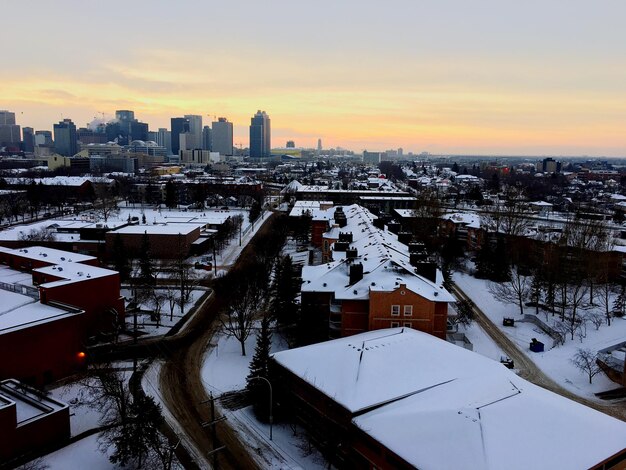
When Does It Actually Get Cold in Atlanta? A Local’s Guide to Cooler Weather
Atlanta’s weather can be confusing: one week you’re in shorts, the next you’re reaching for a jacket. If you live here, are planning a visit, or are moving to the city, it helps to know when it really starts to feel cold in Atlanta—and what “cold” usually means here.
Below is a clear, Atlanta-focused guide to when it gets cold, how long it lasts, and what to expect month by month.
Quick Answer: When Does It Get Cold in Atlanta?
In Atlanta, noticeably cooler weather usually arrives in October, but:
- Consistently cool fall weather: mid–October to early November
- “Real” winter chill:late November through February
- Coldest weeks on average:early January through early February
For many Atlanta residents, “cold” means daytime highs below about 50°F and nights near or below freezing. Those conditions are most common in January, but can show up from late November into early March.
How Cold Does It Actually Get in Atlanta?
Atlanta has a humid subtropical climate, so winters are usually mild compared to northern U.S. cities, but you should still expect real cold snaps.
Typical winter temperatures in Atlanta
- Daytime highs (Dec–Feb): often in the 40s to 50s°F
- Overnight lows (Dec–Feb): often in the 30s°F, sometimes below 32°F (freezing)
- Hard freezes (below 28°F): happen some nights each winter, especially January
Atlanta can also experience short, sharp cold waves where temperatures dip into the teens or low 20s°F, especially at night. These are usually brief—often just a few days at a time.
Month-by-Month: When Atlanta Starts Feeling Cold
Here’s a practical overview of how the cold usually develops through the year.
Late Summer to Early Fall: Hot to “Finally Comfortable”
September in Atlanta
- Still feels mostly like summer: warm to hot afternoons
- Nights start to become a bit more comfortable
- “Cold” is rare—many people still use air conditioning regularly
October in Atlanta
- Early October: Plenty of days in the 70s°F, sometimes even low 80s°F
- Mid to late October: First crisp mornings show up; you might see lows dipping into the 40s°F
- Jackets or light sweaters become common, especially at night, on porches, and at outdoor events
Most locals would say “it starts to feel like fall” in mid to late October, but not truly cold yet.
Late Fall: When Most People Notice the Cold
November in Atlanta
- Early November: Comfortable afternoons in the 60s°F, cooler evenings
- Mid to late November: Many days in the 50s°F, nights in the 30s–40s°F
- First light freezes often occur sometime in November
- Thanksgiving week can feel quite chilly, especially at night and early morning
By late November, you can realistically expect jacket weather most days and heater use at night.
Winter: When It’s Coldest in Atlanta
December in Atlanta
- Feels like real winter has arrived, even if it’s not extreme
- Daytime highs often in the 40s–50s°F
- Nights frequently in the 30s°F, with freezing temperatures on some nights
- Short cold snaps can bring nighttime temps into the 20s°F
Holiday events at places like Atlanta Botanical Garden or Centennial Olympic Park may feel quite chilly after sunset, so plan warm layers.
January in Atlanta (Coldest Month)
- On average, the coldest month of the year
- Highs commonly in the 40s–50s°F
- Lows often around freezing or below
- Most likely time for hard freezes and wintry precipitation
When Atlantans talk about “really cold,” they’re usually remembering January mornings: frost on windshields, cold steering wheels, and icy-feeling commutes.
February in Atlanta
- Still very much winter, but with more temperature swings
- Some fronts bring cold, raw, damp days in the 40s°F
- Other days feel mild, climbing into the 60s°F
- Nighttime freezes still possible, especially early in the month
By late February, many people start to feel like winter is slowly easing, even though chilly snaps can still appear.
Early Spring: Back-and-Forth Weather
March in Atlanta
- Days can feel like anything from late winter to early spring
- Warm spells are common, with days in the 60s or even 70s°F
- Occasional late cold fronts can still bring overnight lows near freezing, especially early March
If you’re planning outdoor events or gardening, expect back-and-forth swings between warm and chilly until closer to April.
At-a-Glance: When It Gets Cold in Atlanta
Typical “Cold Season” Feel in Atlanta
| Time of Year | What It Usually Feels Like | “Cold” Likelihood |
|---|---|---|
| September | Warm to hot; summer-like | Very low |
| Early–Mid October | Warm afternoons, cooler mornings/evenings | Low |
| Late October | Crisp mornings, mild afternoons | Increasing |
| November | Chilly mornings/evenings, mild-to-cool afternoons | Moderate–high |
| December | Regular jacket weather; some freezing nights | High |
| January | Coldest stretch; frequent freezes | Very high |
| February | Chilly but variable; winter with mild breaks | High |
| Early March | Mix of late winter and early spring conditions | Moderate |
What “Cold” Means for Day-to-Day Life in Atlanta
Clothing and Layering
Locals often rely on layering because temperatures can change quickly during the day:
- Mornings: can be in the 30s–40s°F
- Afternoons: often warm up into the 50s–60s°F, even in winter on sunnier days
- Evenings: cool down again, especially in open or higher areas like parts of North Atlanta and DeKalb County
It’s common to see people carry:
- A medium-weight jacket or fleece
- A hat and gloves for cold snaps or windy days
- A rain jacket for cold, wet days (winter rain can feel colder than the thermometer suggests)
Home Heating in Atlanta
Most homes in Atlanta use central heating, often powered by natural gas or electricity.
You’ll likely need to:
- Turn on the heat sometime between late October and mid-November
- Use it regularly from November through February
- Expect your highest heating use in December and January
If you have questions about energy assistance or weatherization, local residents sometimes contact:
- Georgia Department of Human Services – Division of Family & Children Services (DFCS)
2 Peachtree St NW
Atlanta, GA 30303
Main phone (statewide office): (404) 657-3433
They can direct residents to programs such as heating assistance (availability and eligibility vary).
Does Atlanta Get Snow and Ice?
Atlanta is not known for heavy snow, but winter weather does happen.
Snow in Atlanta
- Light snow flurries or dustings occur in some winters
- Accumulating snow is infrequent, but when it happens, it’s usually between late December and early March, especially in January or February
- Even a couple of inches can cause significant disruptions, since the city isn’t built around regular snowfall
Ice and Freezing Rain
What impacts Atlanta most in cold weather is often ice, not deep snow:
- Cold rain on near-freezing roads can quickly lead to black ice
- Bridges, overpasses, and elevated areas like parts of the Downtown Connector (I‑75/I‑85) and I‑285 can glaze over quickly
- Schools, workplaces, and public agencies sometimes delay or close when conditions are icy
When forecasts mention “wintry mix,” freezing rain, or black ice, it’s wise to:
- Limit unnecessary driving
- Check local updates from the City of Atlanta or Georgia Department of Transportation (GDOT)
- Allow extra time if you must travel
How Early Should You Prepare for Cold Weather in Atlanta?
If you live in Atlanta, a simple preparation timeline can help:
By Early October
- Check home heating systems (furnace, heat pump, filters)
- Bring out light jackets and sweaters
- Make sure windows and doors close properly to reduce drafts
By Early November
- Have heavier jackets, hats, and gloves ready
- Inspect outdoor faucets and hoses; be ready to disconnect hoses before freezes
- If you have a sprinkler system, consider scheduling a winterization service
By Late November
- Be ready for overnight freezes:
- Know how to drip faucets or protect pipes in very cold weather
- Bring in or cover cold-sensitive plants
- Keep an ice scraper in your car
This timing lines up with when temperatures begin dropping regularly into the 30s°F overnight.
Cold Weather and Atlanta Travel Plans
If you’re visiting Atlanta and wondering when it gets cold, here’s what you can expect by season:
October–Early November:
- Mostly mild and pleasant; cool mornings and evenings
- A light jacket is usually enough
Late November–February:
- Pack a medium to heavy jacket, closed-toe shoes, and layers
- Nighttime events (sports games, festivals, holiday lights) can feel quite cold, especially with wind
March:
- Variable; pack layers, a light-to-medium jacket, and be ready for both mild and chilly days
If your plans include outdoor spots like Piedmont Park, Atlanta BeltLine, Zoo Atlanta, or evening games at State Farm Arena or Mercedes-Benz Stadium, remember that after-sunset temperatures drop quickly, especially from late November through February.
Local Resources for Weather Information in Atlanta
For up-to-date information on when it gets cold or if a freeze is coming, residents often check:
- Local TV stations and radio for daily forecasts and freeze warnings
- National Weather Service – Atlanta area forecasts (commonly used by local agencies)
- City of Atlanta and Fulton/DeKalb County channels for any cold-weather advisories, warming centers, or service updates
The City of Atlanta Mayor’s Office can provide general city information and direct you to current cold-weather programs:
- City of Atlanta – Mayor’s Office
55 Trinity Ave SW
Atlanta, GA 30303
Main phone: (404) 330-6100
In practical terms, Atlanta starts feeling pleasantly cool in October, turns reliably chilly by late November, and sees its coldest weather from late December through early February. If you plan your clothing, heating, and travel around that window, you’ll be ready for how cold it really gets in Atlanta.