
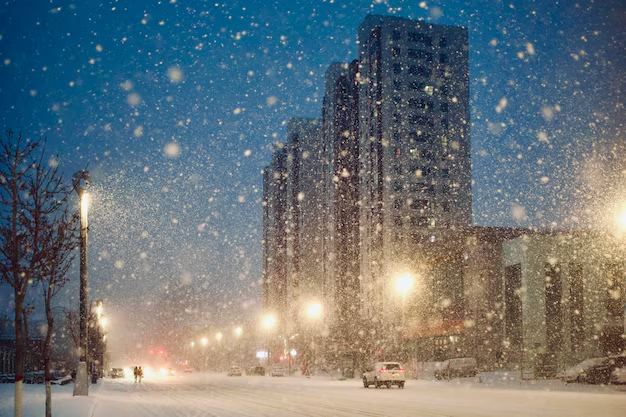
When Does It Snow in Atlanta? What Residents and Visitors Should Expect
Snow in Atlanta, Georgia is a bit of a unicorn: talked about often, seen only occasionally, and rarely sticking around for long. If you’re asking “When is snow expected in Atlanta?”, the honest answer is that snow is possible in winter, but not guaranteed in any given year.
Below is a clear breakdown of when snow is most likely, what typically happens when it does snow here, and how to stay prepared in and around the city.
Does It Actually Snow in Atlanta?
Atlanta is known for mild winters compared to many U.S. cities, but it does see wintry weather from time to time.
- Snow is uncommon but not rare. Some winters bring a dusting or flurries; others pass with only cold rain.
- Accumulating snow (1 inch or more) happens in some years, often only once or twice.
- Big snow events (several inches or more) are unusual and often memorable for locals.
For anyone living in or visiting Atlanta, snow should be considered an occasional winter event, not a regular seasonal feature.
Typical Snow Season in Atlanta
While exact timing varies each year, Atlanta’s snow window usually runs from late December through early March.
Month-by-month expectations
December
- Snow in early December is possible but not common.
- If it does snow, it’s more likely in the second half of the month, especially around late December when colder air sometimes dips south.
- Many years, December brings cold rain and brief flurries at most.
January
- January is Atlanta’s most likely month for snow.
- The coldest air of the season usually arrives sometime in January, and when that lines up with passing moisture, light snow or a wintry mix can occur.
- Some of Atlanta’s more notable snowfalls have happened in this month.
February
- Snow is still possible, and some late-season events have been significant.
- Atlanta often experiences cold–warm swings in February, which can produce ice or wet snow when systems move through.
Early March
- Snow in March is uncommon but not unheard of.
- If it happens, it’s usually light and melts quickly, often within hours of sunrise once temperatures rise.
Late March through November
- Snow is extremely unlikely.
- Atlanta’s climate from spring through fall is too warm for snow, even during strong cold fronts.
Quick View: When Snow Is Most Likely in Atlanta
| Time of Year | Snow Likelihood | What to Expect |
|---|---|---|
| Early–Mid December | Low | Flurries at most; mostly cold rain |
| Late December | Low–Moderate | Occasional light snow possible |
| January | Moderate | Highest chance of snow or wintry mix |
| February | Low–Moderate | Some risk of snow/ice on colder days |
| Early March | Low | Rare, light, short-lived snowfalls |
| Late March–November | Very Low | No realistic snow expectation |
How Much Snow Does Atlanta Usually Get?
In a typical winter, Atlanta sees:
- Light amounts: often less than an inch in total.
- Some winters: no measurable snow at all.
- Other winters: a single event of a couple of inches that briefly disrupts the city.
Snow tends to:
- Fall overnight or early morning, when temperatures are coldest.
- Melt quickly, especially on major roads, once temperatures move above freezing and the sun comes out.
- Cause greater impact than the amount would suggest, because Atlanta is not heavily equipped for frequent snow.
Why Snow Forecasts in Atlanta Can Change Quickly
Forecasting snow in Atlanta is tricky because the city often sits near the rain–snow line during winter storms.
Common patterns include:
- Slight temperature shifts (just a few degrees) turning a predicted snow event into cold rain.
- Warm ground temperatures causing snow to melt on roads even if it’s sticking on grass and roofs.
- Mixed precipitation (rain, sleet, freezing rain, and snow) within the same storm system.
Because of this, forecasts can tighten and change even within 24–48 hours of a potential snow event. For local planning, that means it’s important to check updates frequently, not just rely on a single early forecast.
Where to Check Snow Forecasts for Atlanta
For the most accurate, up-to-date information about when snow might be expected in Atlanta, rely on official weather sources and local outlets.
Useful local and regional resources include:
National Weather Service – Peachtree City Forecast Office
- Covers Atlanta and much of north and central Georgia.
- Issues winter weather advisories, watches, and warnings for snow, sleet, and ice.
- Location: 4 Falcon Drive, Peachtree City, GA 30269
- Phone (Public/Recorded Info): 770-486-1133
City of Atlanta / Atlanta-Fulton County Emergency Management
- Provides winter weather readiness tips and updates on city operations during storms.
Local TV and Radio Stations (Atlanta Metro)
- Often give neighborhood-level details such as which parts of the metro are more likely to see accumulation or icing.
- Helpful if you live inside the Perimeter (I-285) vs. outside the Perimeter, where conditions can differ.
When snow is being discussed in the forecast, check:
- Daily forecasts for overnight lows and precipitation type.
- “Feels like” temperatures, especially if you’ll be outside early in the morning or late at night.
- Alerts and advisories, which often give clearer guidance than just temperature and chance-of-precipitation numbers.
Which Parts of the Atlanta Area See Snow First?
Snow in the Atlanta metro area doesn’t always fall evenly.
- Higher elevations north and northeast of the city (for example, toward Cobb, Cherokee, Forsyth, Hall, and north Gwinnett counties) often see flakes first and may get higher totals.
- Inside the city of Atlanta and close-in neighborhoods can run a bit warmer, sometimes staying rain while areas north and west change to snow.
- South of I-20 (toward College Park, East Point, and down through Clayton and Henry counties), conditions more often stay cold rain or a light mix, especially in marginal setups.
If you’re commuting across the metro, especially from the city out to the north suburbs or back, you may encounter different conditions along your route during a snow or ice event.
Snow vs. Ice: What Atlanta Sees More Often
While people ask about snow, Atlanta is actually more frequently impacted by freezing rain and ice than by deep snow.
- Shallow cold air at the surface can cause rain to freeze on contact, leading to glazed roads and sidewalks.
- Even a thin layer of ice on bridges, overpasses, and interchanges (like those on the Downtown Connector, I‑75/I‑85, I‑285, and GA‑400) can create major travel problems.
From a practical standpoint, you should think of the winter question in Atlanta as:
“When is winter weather (snow or ice) expected?”, not just snow alone.
How to Prepare for a Possible Snow Day in Atlanta
When forecasts start hinting at snow or a wintry mix, there are a few practical steps Atlanta residents and visitors can take.
For residents
Check your route:
- If you commute via I‑20, I‑75, I‑85, I‑285, or GA‑400, be aware that bridges and ramps can ice first.
- Consider remote work options or adjusted hours if the city or your employer recommends them.
Have basic supplies at home:
- Shelf-stable food and drinking water for a day or two.
- Flashlights and batteries in case of power outages, especially in ice events.
- Basic cold-weather gear: coats, gloves, hats, and closed-toe shoes with some traction.
Stay informed:
- Watch for school and government office announcements, especially from Atlanta Public Schools, DeKalb County, Fulton County, and neighboring systems.
For visitors
Plan flexible travel days:
- If you’re flying into Hartsfield-Jackson Atlanta International Airport (ATL) in mid-winter, a snow or ice event could slow flights.
- Build in some margin for delays or schedule changes.
Use local info once you arrive:
- Hotel front desks, convention centers, and event venues in Midtown, Downtown, and Buckhead often relay updated local conditions and changes in operating hours.
Be cautious driving:
- Many drivers in Atlanta have limited experience with snow or ice, and the city has steep hills and curving ramps in some areas.
- If conditions look icy, consider staying put instead of trying to navigate unfamiliar roads.
What to Expect When Snow Actually Falls
When snow is expected in Atlanta, typical patterns include:
Early closure of schools and offices:
- Local governments and school systems often err on the side of caution, especially after past high-impact events.
Quick buildup on untreated surfaces:
- Elevated roadways, side streets, and sidewalks can become slippery in a short time, even with minor accumulations.
Rapid melt once temperatures rise:
- By late morning or midday, if the temperature climbs above freezing, roads often improve quickly, especially on major routes treated by Georgia Department of Transportation (GDOT) crews.
Patchy conditions around the metro:
- One part of the metro area may get a decent coating of snow, while another sees mostly rain.
- North and west suburbs typically cool faster and may stay wintry longer than south and east areas.
When Should You Realistically “Expect” Snow in Atlanta?
If you’re planning ahead and want a simple, local-friendly answer:
- Expect that snow is possible, not guaranteed, anytime from late December through early March.
- Plan for the highest likelihood in January, with some chance in February.
- Treat any mention of snow in the forecast as a signal to watch local updates closely, especially for ice risks.
In everyday terms for Atlanta:
- Most winter days: Cold rain or cool, dry weather.
- Some winter days: Flurries or a light dusting that melts quickly.
- Occasional winter events: A snow or ice day that can temporarily disrupt schools, work, and travel.
By understanding Atlanta’s mild but sometimes tricky winter pattern, you can better decide when to adjust your schedule, how to prepare your home or trip, and when it’s time to simply enjoy a rare Atlanta snow day when it does arrive.