
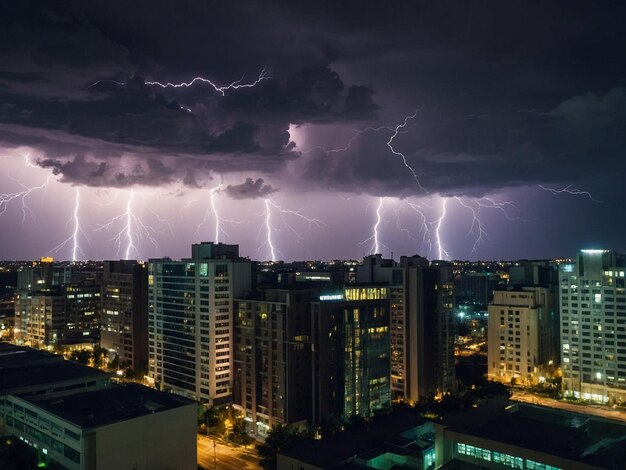
When Is the Storm Supposed to Hit Atlanta? A Local’s Guide to Timing, Alerts, and Safety
If you’re in Atlanta, Georgia and you’re asking, “When is the storm supposed to hit Atlanta?” the most honest answer is: it depends on today’s weather system, and you’ll need real-time tools to know for sure.
Because weather changes hour by hour and block by block, no article can tell you the exact time a specific storm will hit. What this guide can do is show you how to quickly find accurate storm timing for Atlanta, what to watch for with local patterns, and how to prepare based on timing (morning vs. afternoon vs. overnight storms).
How to Check Exactly When a Storm Will Hit Atlanta Today
To get the most accurate timing for storms moving into Atlanta, use a combination of hourly forecasts, radar, and alerts. Here’s how most Atlanta residents and visitors check:
1. Use an Hour-by-Hour Forecast for Atlanta
Look up the hourly forecast for:
- Atlanta, GA 30303 (Downtown / central reference point), or
- Your specific neighborhood (Midtown, Buckhead, East Atlanta, Decatur, etc.)
On any trusted weather platform or app, check:
- “Hourly” or “Next 24 hours” view
- Precipitation percentages by the hour
- Estimated storm start time (often shown as “Rain starting around 4 PM”)
Key tip:
If you see rapidly rising rain chances within a 1–3 hour window (for example: 20% → 60% → 90%), that’s usually when the main storm window is expected for Atlanta.
2. Check Real-Time Radar Over Metro Atlanta
Live radar helps you see where the storm is right now and how fast it’s heading toward:
- Downtown Atlanta / Five Points
- Hartsfield–Jackson Atlanta International Airport
- I-285 / Perimeter areas (Sandy Springs, Tucker, Smyrna, etc.)
- Intown neighborhoods (Grant Park, West End, Old Fourth Ward, Virginia-Highland, etc.)
On a radar map:
- Look for lines or clusters of storms west or southwest of Atlanta (Alabama line, Carrollton, Newnan, LaGrange).
- Watch the movement direction (often west → east or southwest → northeast).
- Many radars estimate arrival times for major cities like Atlanta.
If a strong line is just west of I-75 near Douglasville or Marietta and moving quickly east, you may only have 30–60 minutes before storms reach Midtown or Downtown.
3. Monitor Official Weather Alerts for Atlanta
For storm warnings and exact timing, rely on official alert sources serving Atlanta:
National Weather Service (NWS) – Atlanta Area
- Office commonly referred to as NWS Peachtree City, which covers Metro Atlanta.
- Issues:
- Severe Thunderstorm Warnings
- Tornado Warnings
- Flash Flood Warnings
- Special Weather Statements for strong but not severe storms
Wireless Emergency Alerts (WEA):
- These are the loud alerts on your phone for:
- Tornado Warnings
- Flash Flood Warnings (often for specific creeks/roads)
- Other life-threatening weather
- They are location-based, so if you’re in Atlanta city limits or nearby, you’ll still get local alerts.
Local government & media:
- City of Atlanta and Fulton/DeKalb County emergency services may post updates, especially for:
- Road closures
- Flooded underpasses
- Power outages affecting key services
Typical Storm Timing Patterns in Atlanta
Storms can happen at any time, but residents often notice common timing patterns:
Afternoon & Evening Thunderstorms (Very Common)
From late spring through early fall, Atlanta often sees:
- Sunny or partly cloudy mornings
- Building heat and humidity
- Storms developing after 2–3 PM, with the strongest storms between about 4–9 PM
These are your typical summer pop-up or scattered thunderstorms, sometimes turning severe with:
- Heavy rain
- Frequent lightning
- Gusty winds
- Brief localized flooding
If the forecast says “afternoon thunderstorms” in Atlanta:
- Plan for outdoor activities earlier in the day
- Expect the risk window to be mid- to late afternoon into the evening
Overnight and Early-Morning Storm Lines
Atlanta also gets organized storm systems that move in late at night or early morning, often tied to:
- Cold fronts
- Stronger weather systems moving across the Southeast
Common scenarios:
- Storms move in between midnight and 5 AM, waking people up.
- Morning commutes (6–9 AM) may be impacted by heavy rain, lightning, or wind.
If the forecast mentions:
- “A line of storms moving in overnight”
- “Storms arriving before daybreak”
Expect:
- Lightning and thunder while you’re sleeping
- Possible flash flooding during the early commute
- Delays around Downtown Connector (I-75/85), I-20, and I-285
Tropical Systems and All-Day Rain
When tropical storms or hurricane remnants move into North Georgia, Atlanta can see:
- Prolonged rain (sometimes steady all day)
- Embedded thunderstorms
- Gusty winds
Timing with tropical systems:
- Bands of rain may arrive hours before the center of the system.
- The heaviest rain and strongest winds might cluster in:
- A specific half-day window (e.g., “this afternoon”)
- Or be intermittent over 12–24 hours
In these situations, the question isn’t just “when does it hit?” but also:
- “When will the worst conditions be in Atlanta?”
- “When is it safe to be on the roads, if at all?”
How to Interpret “Storm Timing” in an Atlanta Forecast
Forecasts rarely give an exact minute. Instead, they use time windows. Here’s how to read them for Atlanta:
| Forecast Phrase for Atlanta | What It Usually Means for You |
|---|---|
| “Storms possible this afternoon” | 2–7 PM is the main window; plan flexible outdoor time before noon if you can. |
| “Storms likely late afternoon and evening” | Expect 4–10 PM impacts; rush hour and evening events may be affected. |
| “Showers and storms overnight” | Activity mainly 10 PM–6 AM; check radar before going to bed or heading out. |
| “Storms developing west and moving east” | Watch areas near Alabama line; storms may reach central Atlanta in a few hours. |
| “Isolated storms” | Some neighborhoods get hit, others stay dry; timing is less predictable. |
| “A line of severe storms approaching” | More organized threat; radar arrival times for Atlanta are usually clearer. |
Atlanta Neighborhood Considerations: Does Timing Differ Across the City?
Storms typically move across Metro Atlanta in a west-to-east or southwest-to-northeast direction. That means:
- Areas like Douglasville, Villa Rica, Carrollton (west of town) may see storms earlier.
- Then Westside, Downtown, Midtown, Buckhead, East Atlanta tend to get hit.
- Finally, Stone Mountain, Lithonia, Snellville, Conyers (further east) may see storms a bit later.
Within the city:
- The difference in timing between West End and Decatur might be only 15–30 minutes.
- If a line is strong and fast-moving, you may feel like the storm hits “all at once” across the core city.
When you check radar, look for:
- Where the heavy rain and lightning are in relation to:
- Downtown / State Capitol (near MLK Jr. Dr & Capitol Ave)
- Major interstates: I-75/85, I-20, I-285
- How fast the line is moving (often indicated in miles per hour).
What To Do If a Storm Is About to Hit Atlanta Soon
Once you see that a storm is 30–90 minutes away, here’s what people in Atlanta commonly do to stay safe and reduce hassle:
If You’re About to Drive
- Try to complete errands before the main storm window.
- Avoid:
- Low spots along Northside Drive, Peachtree Creek areas, and underpasses that tend to flood.
- Aggressive driving on Downtown Connector, I-20, and I-285 during heavy rain.
- If possible, wait for the heaviest rain and lightning to pass before getting on the road.
If You’re at Home or in a Hotel
- Secure or bring in outdoor items on balconies or patios (chairs, small plants, umbrellas).
- Charge phones and devices, in case power flickers.
- Avoid using corded electronics during intense lightning (wireless devices are generally safer).
- Keep a flashlight handy, especially in older buildings that may lose power more easily.
If You’re at an Event or Outside (Piedmont Park, BeltLine, Mercedes-Benz Stadium, etc.)
- If thunder is audible, move indoors or into a fully enclosed shelter.
- Covered but open structures (gazebos, some stadium concourses, bus shelters) do not protect from lightning.
- Large events in Atlanta may:
- Pause or evacuate outdoor areas temporarily.
- Direct people to parking decks or indoor concourses.
Key Local Resources for Storm Information in Atlanta
These Atlanta-area agencies and services are often referenced during storms. While you’ll usually get information through apps, TV, or radio, it can help to know who is behind the warnings and updates.
National Weather Service (NWS) – Atlanta Coverage
- Regional office often called NWS Peachtree City
- Covers Atlanta and most of North and Central Georgia
- Issues watches and warnings for:
- Severe thunderstorms
- Tornadoes
- Flash flooding
- Winter weather
City & County Emergency Management
These agencies may share updates on road closures, flooding, and emergency instructions:
- Atlanta-Fulton County Emergency Management Agency (AFCEMA)
- Serves Atlanta within Fulton County
- DeKalb Emergency Management Agency
- Important for areas east of Atlanta: East Lake, Decatur, Panthersville, etc.
If a major storm is expected:
- Local governments may open cooling centers or shelters.
- You may hear about these on local news or through official city/county announcements.
Practical Checklist: Before, During, and After a Storm in Atlanta
Use this as a quick timing-based guide whenever you hear that a storm is headed for Atlanta.
Before the Storm (Hours Ahead) ✅
- Check hourly forecast and radar for Atlanta.
- Adjust commute times or outdoor plans to avoid the main storm window.
- Park vehicles away from:
- Trees that may drop large limbs
- Streets known for poor drainage or flooding
- Make sure you have:
- Charged phone
- A basic light source (flashlight or phone flashlight)
- A way to receive alerts (phone, TV, radio)
As the Storm Approaches (30–60 Minutes Away) ⚠️
- Finish outdoor tasks, walks, or runs on the Atlanta BeltLine or in Piedmont Park.
- Move inside a sturdy building if:
- You see lightning
- Thunder is within seconds of the flash
- Avoid starting long drives across I-285 or through the Downtown Connector if heavy rain and wind are imminent.
During the Storm ⛈️
- Stay indoors and away from:
- Windows during high winds
- Flood-prone basements if water is rising
- If a tornado warning is issued:
- Move to an interior, lowest-level room with no windows (bathroom, hallway, closet).
- Keep an ear out for:
- Flash flood warnings if you live near creeks or low-lying areas.
After the Storm Passes 🌤️
- Be cautious of:
- Downed trees or power lines on city streets and sidewalks
- Standing water on underpasses and side streets
- Check for updated forecasts, as additional storms may follow the first wave.
- If power is out, report outages to your utility provider as instructed by their usual customer service channels.
In Atlanta, the exact answer to “When is the storm supposed to hit?” will always come from real-time hourly forecasts, radar, and official alerts. Use those tools with the local timing patterns above, and you’ll have a clear sense of when to stay in, when to travel, and how to stay safe whenever storms target the city.