
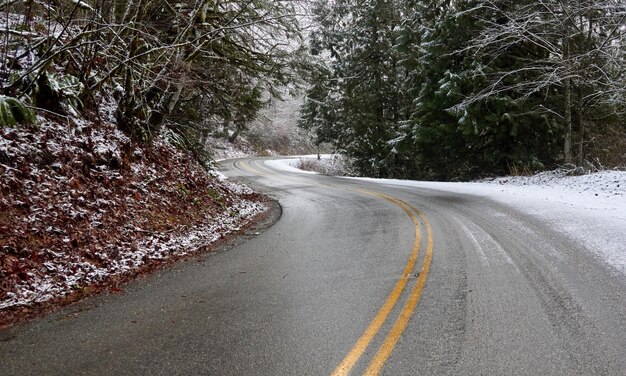
Snowpocalypse Atlanta: When It Happened and What Atlantans Should Know
If you live in Atlanta, you’ve almost certainly heard people talk about “Snowpocalypse” like it was a once‑in‑a-generation event. In local conversation, this usually refers to a specific winter storm that paralyzed metro Atlanta in January 2014.
Here’s what you need to know about when Snowpocalypse happened, what actually went wrong, and what it means for Atlanta weather planning today.
When Was “Snowpocalypse” in Atlanta?
Most Atlantans use “Snowpocalypse” (or “Snowmageddon”) to describe the winter storm that hit the city on:
On the afternoon of January 28, 2014, a relatively small amount of snow—around 2 inches in many parts of metro Atlanta—fell quickly and turned to ice on roads. Because many schools, businesses, and government offices released people at roughly the same time, major highways and surface streets became gridlocked and extremely hazardous.
This is the event most people mean when they ask:
- “When was Snowpocalypse Atlanta?”
The answer: late January 2014, especially the afternoon and night of January 28, 2014, with impacts lasting into January 29.
Quick Timeline: Snowpocalypse Atlanta 2014
| Timeframe | What Happened in Atlanta |
|---|---|
| Morning, Jan 28, 2014 | Light winter weather expected; many in Atlanta go to work/school as usual. |
| Midday–Afternoon | Snow begins; temperatures fall; snow sticks quickly to cold surfaces. |
| Mid-Afternoon | Schools, offices, and businesses dismiss at similar times; mass exodus onto roads. |
| Late Afternoon–Evening | Roads ice over; multi-hour traffic jams; accidents; cars abandoned across metro area. |
| Overnight | Thousands stranded in vehicles, at schools, and businesses. |
| Jan 29, 2014 | Cleanup, towing, and slow return to normal; lingering ice in shaded areas. |
Why Was Snowpocalypse Such a Big Deal in Atlanta?
For someone visiting from a northern city, it may be surprising that a couple of inches of snow caused such chaos. But in Atlanta, several factors combined at once:
1. Sudden Icing on Roads
The snow melted slightly on contact, then quickly refroze into ice on bridges, overpasses, and untreated roads. Atlanta’s roads are not routinely pre-treated the way they are in places that get frequent snow.
2. Everyone Left at the Same Time
When conditions worsened, schools across metro Atlanta, government offices, and many businesses released people within a short window. That meant:
- Parents rushing to pick up kids
- Workers leaving downtown, Midtown, Perimeter, and other office hubs
- Freeways like I‑285, I‑75, I‑85, I‑20, and GA‑400 filling all at once
The combination of untreated roads + freezing conditions + peak-level traffic created hours-long gridlock.
3. Limited Local Snow Infrastructure
Atlanta typically has:
- Fewer plows and salt trucks compared with cities up north
- Less routine practice handling snow and ice events
- Many drivers with little experience on icy roads
That doesn’t mean Atlanta is unprepared for all weather events—it simply reflects that heavy snow and ice are rare compared to heat, thunderstorms, and tropical systems.
What It Felt Like in Metro Atlanta During Snowpocalypse
If you weren’t here in 2014, it helps to understand what people experienced around the metro area:
- Commutes that usually take 30–45 minutes stretched into 6–10 hours or more
- Cars were abandoned on I‑285, I‑75/85 through downtown, and secondary roads like Peachtree Street, Roswell Road, and Chamblee‑Tucker Road
- Some students and staff slept overnight in schools because buses couldn’t safely navigate icy roads
- Residents sheltered at churches, grocery stores, gas stations, and shopping centers along major corridors
- MARTA buses struggled with hills and icy streets; rail continued running but was hard to reach for many drivers stuck on roads
For many Atlantans, Snowpocalypse is remembered as the day when the entire city seemed to stop at once.
Has Atlanta Had Other “Snowpocalypse” or Major Snow Events?
The term “Snowpocalypse” is most strongly tied to January 2014, but Atlanta has had other significant winter storms:
January 2011 Ice and Snow Storm
In early January 2011, a multi-day storm brought snow followed by freezing rain, covering much of metro Atlanta in ice. Travel was difficult for days, and some residents still casually refer to this as an earlier “snowmageddon”-style event.
Historic Snowfalls
Other notable winter events in Atlanta’s history include:
- March 1993 “Storm of the Century” – heavy snow and strong winds across the Southeast
- Occasional 1–4 inch snowfalls that temporarily disrupt schools and commuting
Still, when locals say “Snowpocalypse Atlanta”, they almost always mean the late January 2014 storm, because of the extreme traffic and stranded drivers.
How Snowpocalypse Changed Atlanta’s Winter Weather Approach
While winter storms are still relatively rare in Atlanta, the 2014 event led to changes in planning and communication across the region.
Better Coordination and Staggered Dismissals
Local governments and school districts around Fulton, DeKalb, Cobb, Gwinnett, and Clayton counties have worked to:
- Coordinate earlier on closings and early dismissals
- Avoid releasing everyone at once where possible
- Pay closer attention to timing of precipitation and temperature drops, not just total snow amounts
More Emphasis on Pre-Treatment and Equipment
Agencies like the Georgia Department of Transportation (GDOT) and the City of Atlanta Department of Transportation have increased:
- Use of brine, salt, and sand on key interstates and major arterials when winter weather is forecast
- Availability of plows and treatment trucks for high-priority corridors
Improved Communication With the Public
You’re now more likely to see:
- Earlier alerts and advisories about potential snow and ice
- Clearer public messages encouraging people to stay off the roads during the worst conditions
- Real-time updates on major routes like I‑285, the Downtown Connector, GA‑400, and I‑20
What Atlantans Should Do When Snow or Ice Is in the Forecast
Even though the big Snowpocalypse happened in January 2014, the lessons still matter every winter. If you live in or are visiting Atlanta and see a winter weather advisory, these steps can help:
1. Watch the Timing, Not Just the Snow Total
In Atlanta, 1–2 inches at the wrong time (like rush hour) can cause more disruption than a bigger storm overnight.
- Pay attention to when forecasters expect temperatures to drop below freezing.
- If roads may ice during your normal commute, consider working remotely, delaying trips, or staying put.
2. Avoid Driving During Onset of Snow/Ice
If possible:
- Finish errands before precipitation starts.
- If you must drive, stay on major routes, which are more likely to be treated and plowed.
- Avoid steep hills and lesser-used side streets, especially in hilly areas like some neighborhoods in Buckhead, Vinings, and parts of DeKalb County.
3. Keep a Small Winter Kit in Your Car
Even in Atlanta’s mild climate, it’s practical to have:
- Warm layers or a blanket
- Phone charger
- Bottled water and simple snacks
- Ice scraper and small shovel (if you travel frequently in winter)
You might never need it—but if traffic stalls due to ice, you’ll be glad it’s there.
4. Stay Informed With Local Atlanta Sources
Useful local resources in a winter event include:
- City of Atlanta and Fulton, DeKalb, Cobb, Gwinnett, Clayton county government alert systems
- GDOT traffic updates for interstates and major state routes
- Local TV and radio stations that focus on real-time Atlanta traffic and weather
You can also sign up for weather or emergency alerts through county emergency management offices around metro Atlanta.
Key Takeaways for Atlanta Residents and Visitors
- “Snowpocalypse Atlanta” most commonly refers to the winter storm of January 28–29, 2014.
- The event was defined less by heavy snow and more by rapid icing, limited treatment, and a huge surge of drivers on the roads all at once.
- It led to citywide gridlock, abandoned vehicles, and thousands of people stranded overnight in cars, schools, and businesses.
- Since then, local agencies and schools in metro Atlanta have adjusted planning, coordination, and communication around winter weather.
- For anyone in Atlanta today, the main lessons are to watch the timing of storms, avoid unnecessary driving when snow or ice is expected, and rely on local alerts and traffic updates.
So, when someone in Atlanta asks, “When was Snowpocalypse?”, they’re almost always talking about that unforgettable storm in late January 2014—now a permanent part of local weather legend.