
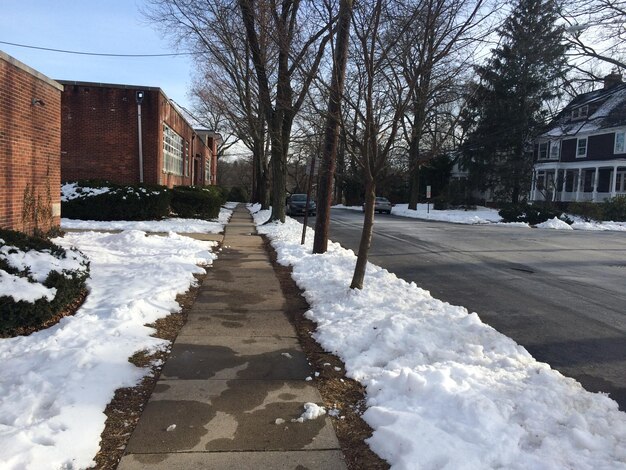
When Will the Snow Melt in Atlanta? What Locals Should Really Expect
If you’re in Atlanta, Georgia and looking out at a rare blanket of snow, the big question is usually: “How long is this going to stick around?”
Because Atlanta doesn’t see snow often, even a light coating can cause big disruptions. The good news: in most cases, snow in Atlanta melts quickly—often within a day.
Below is a clear guide to when snow usually melts in Atlanta, what affects melt time, and how to plan your day around it.
How Long Does Snow Usually Last in Atlanta?
In Atlanta’s climate, most snow events melt within 24–48 hours, and many are gone by the same afternoon.
That’s because:
- Average winter daytime highs are usually above freezing
- Sunlight, even on cold days, helps melt snow quickly
- Warm ground and pavement speed up melting after a cold snap
For many Atlanta snowfalls, you’ll see something like this:
| Timeframe after snow ends | What typically happens in Atlanta |
|---|---|
| First 6–12 hours | Major roads slushy, shady spots still icy |
| 12–24 hours | Snow mostly gone from roads, patchy in yards |
| 24–48 hours | Only piles, shaded areas, and north-facing slopes hold snow |
This is a general pattern, not a guarantee. Each storm is different, so checking live conditions is always important.
Key Factors That Decide When the Snow Will Melt
1. Temperature During the Day
The most important factor is the daytime high temperature after the snow.
- If the high is above 40°F, snow usually melts fast
- If the high is in the 30s, the snow may melt slowly or refreeze at night
- If temperatures stay at or below 32°F, snow and ice can linger
In Atlanta, it’s more common to bounce back above freezing the day after a snow event than to stay below freezing for several days.
2. Sun vs. Shade
Where the snow falls in the city matters:
- Sunny, south-facing spots (like open parking lots or south-facing yards) melt quickest
- Shady areas, especially north-facing slopes, under trees, or between buildings, hang on to snow and ice longer
- Bridges and overpasses—like on the Downtown Connector (I-75/85) or I-285—may refreeze overnight even when other roads are clear
That’s why you might see dry pavement in Midtown but icy patches on ramps or overpasses.
3. Ground and Road Warmth
The ground temperature plays a big role:
- If Atlanta has had mild days before the storm, the warmer ground melts new snow faster
- If a cold snap has lasted several days, roads and sidewalks are colder, so snow and ice may stick longer and melt slower
Urban areas such as Downtown, Midtown, and Buckhead often melt faster than more wooded or higher-elevation suburbs because of more pavement and buildings holding heat.
4. Amount of Snow and Type of Precipitation
Not all winter events are equal:
- A light dusting (less than 1") often melts the same day, especially on pavement
- Heavier snow (2"–4") can last into the next day or longer, especially on grass and in shaded spots
- Freezing rain and sleet often cause more stubborn ice than fluffy snow—this can linger on sidewalks, stairs, and driveways after visible snow is gone
In Atlanta, many “snow days” are actually mixed events—rain, then sleet, then snow—so melting patterns can be uneven.
Typical Timing: Morning vs. Afternoon Melting
If snow falls overnight:
Morning (before 10 a.m.)
Roads and sidewalks may still be icy or slushy. Temperatures may be at or below freezing, especially in low-lying and shaded areas.Late Morning–Afternoon (10 a.m.–4 p.m.)
Once temperatures rise above freezing and the sun comes up, main roads usually improve quickly. Side streets and hills can stay slick longer, especially in neighborhoods with lots of trees.
If snow falls during the day and ends in the afternoon:
- A lot of melting may start right away if temperatures are already near or above freezing.
- You can still see refreeze overnight, creating black ice the next morning—even if most of the snow seems to have melted.
How Atlanta’s Climate Shapes Snow Melt
Atlanta’s winter climate is generally:
- Mild compared to northern U.S. cities
- Variable, with cold snaps followed by warm-ups
- Often influenced by Gulf and Atlantic moisture, leading to messy mixes of rain, sleet, and snow
Because of this, the pattern is often:
- A cold front moves through and temperatures drop.
- A winter system brings snow or wintry mix.
- Within a day or two, temperatures bounce back into the 40s or 50s°F, melting remaining snow.
That’s why it’s rare for Atlanta to keep snow on the ground for a week or more. It does happen in unusual cold events, but that’s the exception, not the rule.
Practical Signs Your Snow Will Melt Soon
If you’re trying to guess whether today’s snow will be gone by tonight or tomorrow, look for:
- Forecast high above 38–40°F 🌤️
- Wet, slushy streets (melting has started)
- Drip from roofs and gutters
- Sun breaking through clouds, especially midday
- Patches of grass showing through in yards or parks like Piedmont Park or Grant Park
If instead you see:
- Temperatures stuck near or below 32°F
- No dripping from roofs
- Cloudy, windy conditions with no sun
- Persistently icy sidewalks and bridges
…then expect the snow and ice to hang around longer, possibly for another day or more.
What to Expect in Different Parts of Atlanta
Melting can feel different depending on where you are in the metro area:
Downtown, Midtown, Buckhead:
More buildings and pavement hold heat, so snow and slush usually melt faster on major streets.Hilly neighborhoods (like parts of Virginia-Highland, West Midtown, or East Atlanta):
Side streets and hills can stay slick even when main roads clear. Shaded hills may have snow and ice longer.Areas near the Chattahoochee River or on higher ground (such as parts of Sandy Springs or Vinings):
Can be slightly cooler, so snow might linger a bit more in shaded spots and low-lying areas.Suburban, tree-covered neighborhoods around the Perimeter:
More shade and less traffic can mean snow on driveways and sidewalks lasts longer, even after main roads are fine.
How to Check When Snow Will Likely Melt in Atlanta (Step-by-Step)
If you want a more precise idea for today’s snow event, use this quick checklist:
Check the forecast high and low for the next 24–48 hours.
- High above 40°F: fast melting likely
- High in the 30s: slow melt, lingering slush and ice possible
- Low below 32°F: watch for overnight refreeze
Look at hourly temperatures and sun/cloud coverage.
- Sun + temps above freezing = quicker melt
- Clouds + wind + near-freezing temps = slower melt
Check traffic cameras or local TV weather.
- You can see if interstates like I‑75, I‑85, I‑20, and I‑285 are wet, slushy, or snow-covered.
- Local Atlanta TV stations typically show live shots of major roads and overpasses, which also tell you how fast things are clearing.
Step outside and test surfaces near you.
- Is the snow softening or compacting?
- Are sidewalks or driveways starting to show bare pavement?
- Are you hearing dripping and trickling water? These are strong hints that melting is underway.
Safety Tips While You Wait for the Snow to Melt
Even if the snow is likely to disappear soon, melting and refreezing cycles can create hazards.
For driving:
- Be cautious on bridges and overpasses, such as:
- The Downtown Connector (I‑75/85)
- I‑285 interchanges
- Ramps to GA‑400, I‑20, and I‑675
- Assume wet pavement could be black ice, especially early morning or late night.
- Give extra time for your commute until you’re sure conditions have improved.
For walking:
- Watch out for shady sidewalks, steps, and parking lots—these areas often stay icy longer.
- Be careful on sloped driveways and apartment complex walkways in neighborhoods around the city.
If you need up-to-date local information, agencies like the City of Atlanta Department of Transportation (ATLDOT) and Georgia Department of Transportation (GDOT) typically share winter weather updates, including road treatment and conditions.
- GDOT District 7 (Atlanta Metro Area)
Office: commonly cited as serving the metro region; check their public updates for storm response and road conditions.
They provide guidance on which routes are being treated and when travel is safest.
Quick Answers to Common Atlanta Snow Melt Questions
Will the snow in Atlanta be gone by tomorrow?
Often yes, especially if tomorrow’s high is 40°F or warmer and the sun comes out. Shady spots and bridges may stay icy into the morning.
Why does my yard still have snow when the streets are clear?
Streets get traffic, treatment, and more direct sun. Yards—especially shaded or north-facing ones—stay cooler and hold snow longer.
Can snow in Atlanta stick around for several days?
It can during unusually cold stretches where temperatures stay below freezing, but those events are not common. In a typical winter, most snow is gone in a day or two.
Why are my steps and driveway icier in the morning than the night before?
Melted snow from the afternoon can refreeze overnight when temperatures drop below 32°F, creating slick ice even if much of the snow has melted.
In most Atlanta winters, when snow appears, it’s a short‑lived visitor. If daytime temperatures are forecast to climb above freezing—especially into the 40s—you can usually expect noticeable melting the same day, with only a few stubborn patches left by the next.